Ryokan in malaysia brings a fresh perspective to traditional hospitality, combining the essence of Japanese culture with the vibrant spirit of Malaysia. As travelers seek unique experiences, these charming inns offer a blend of comfort and tradition, providing an escape from the hustle and bustle of modern life. Imagine stepping into a serene sanctuary where nature meets culture, creating a perfect backdrop for relaxation and exploration.
The emergence of ryokans in Malaysia marks a fascinating development in the country’s tourism landscape, presenting a unique opportunity to immerse oneself in cultural practices that echo the heritage of Japan while embracing the local essence. Unlike traditional ryokans found in Japan, Malaysian ryokans offer their own distinct flair, incorporating local decor, cuisine, and hospitality styles that reflect the multicultural fabric of the nation.
Overview of Ryokans in Malaysia
The ryokan is a traditional Japanese inn that embodies the essence of Japanese hospitality, culture, and architectural style. It is characterized by tatami-matted rooms, communal baths, and an emphasis on seasonal cuisine. While rooted in the rich tapestry of Japanese culture, the concept of ryokan has found a unique expression in Malaysia, reflecting the country’s diverse cultural heritage and luxurious hospitality offerings.The emergence of ryokans in Malaysia can be traced back to the growing interest in experiential travel and the demand for authentic cultural experiences.
As tourism flourished in Malaysia, particularly in regions known for their natural beauty and cultural significance, ryokans began to appear, offering travelers a serene retreat. These accommodations often blend traditional elements with local influences, creating a unique fusion that distinguishes them from their Japanese counterparts.
Distinct Features of Malaysian Ryokans
Malaysian ryokans incorporate elements of both Japanese tradition and Malaysian culture, resulting in an inviting and distinctive ambiance. The following points highlight how these ryokans set themselves apart from traditional ryokans in Japan:
- Cultural Fusion: Malaysian ryokans often integrate local materials and architectural styles, making use of bamboo, wood, and stone, which resonate with the surrounding environment.
- Local Cuisine: Instead of exclusively Japanese cuisine, Malaysian ryokans may offer a blend of local dishes alongside traditional Japanese meals, reflecting the rich flavors of Malaysian culinary arts.
- Environmental Context: Many ryokans in Malaysia are situated in lush, tropical settings, such as near beaches or rainforests, providing guests with a completely different natural backdrop compared to the mountainous and rural settings of Japan.
- Personalized Experiences: The hospitality style often emphasizes personalized service tailored to individual guest preferences, which may include guided tours of local attractions or cultural activities.
- Wellness Focus: Many Malaysian ryokans incorporate wellness elements, such as spa treatments and yoga sessions, focusing on holistic experiences that promote relaxation and well-being.
The blend of these features creates a unique experience for visitors, allowing them to appreciate the essence of Japanese ryokan culture while enjoying the richness of Malaysian hospitality.
Popular Ryokans in Malaysia
Malaysia is home to a selection of exquisite ryokans that beautifully blend traditional Japanese hospitality with local charm. Known for their serene environments and cultural experiences, these establishments provide a unique escape for travelers seeking relaxation and connection with nature.In this section, we’ll explore some of the most popular ryokans in Malaysia, showcasing their unique features and offerings that set them apart in this competitive hospitality landscape.
Each ryokan provides an authentic experience that reflects the tranquility and beauty of the surrounding environment, making them perfect for a weekend getaway or a longer retreat.
Featured Ryokans and Their Unique Offerings
Here are some of the most noteworthy ryokans in Malaysia, each featuring its distinct charm and amenities that cater to various preferences:
- Yasumi Ryokan
Located in the serene hills of Hulu Langat, Yasumi Ryokan offers a perfect retreat with a blend of Japanese aesthetics and Malaysian nature. The ryokan features traditional tatami rooms, a communal onsen, and a garden that encourages tranquility.
- Shiki Ryokan
Nestled in the heart of the Cameron Highlands, Shiki Ryokan is known for its breathtaking views and warm hospitality. The ryokan embraces Japanese culture with its kaiseki dining experience, where guests can savor seasonal ingredients in a multi-course meal.
- Hanami Ryokan
Situated in Penang, Hanami Ryokan stands out with its stunning traditional architecture and proximity to cultural attractions. The ryokan offers unique cultural workshops, such as origami and tea ceremonies, providing guests an immersive experience.
Comparison of Selected Ryokans
To give you a clearer picture, here’s a comparison table highlighting the key amenities, pricing, and locations of the featured ryokans:
| Ryokan Name | Location | Amenities | Starting Price (per night) |
|---|---|---|---|
| Yasumi Ryokan | Hulu Langat | Tatami Rooms, Onsen, Garden | RM 300 |
| Shiki Ryokan | Cameron Highlands | Kaiseki Dining, Scenic Views, Cozy Lounge | RM 450 |
| Hanami Ryokan | Penang | Cultural Workshops, Traditional Architecture, Tea Ceremony | RM 400 |
“Experience the art of Japanese hospitality and immerse yourself in nature at these stunning ryokans in Malaysia.”
Experience and Activities at Ryokans
Ryokans in Malaysia provide a unique blend of traditional Japanese hospitality and the rich cultural heritage of the region. Guests can immerse themselves in authentic experiences that go beyond mere accommodation, making their stay memorable and enriching. From relaxing wellness activities to delectable dining options, ryokans offer a variety of experiences that cater to all senses.
Traditional Experiences Offered at Ryokans
Staying at a ryokan is an opportunity to experience the essence of Japanese culture. Guests are welcomed with warm hospitality often referred to as “omotenashi,” emphasizing attention to detail and personal service. The ambiance is typically serene, characterized by tatami mat flooring and sliding shoji doors, which contribute to a tranquil environment. One of the highlights includes participating in a traditional tea ceremony.
This ritual is not merely about drinking tea; it’s about appreciating the aesthetics, the meticulous process, and the deep-rooted traditions involved. Other cultural activities such as calligraphy or origami workshops are often available, providing guests with a hands-on experience that connects them to Japanese art forms.
Dining Options and Local Delicacies
Dining at a ryokan is a culinary journey that showcases both local and Japanese delicacies. Most ryokans serve kaiseki, a multi-course meal that emphasizes seasonal ingredients and artistic presentation. Meals are typically served in the privacy of the guest’s room or in a communal dining space, enhancing the personal touch.Highlights of the dining experience may include:
- Nasi lemak: A fragrant rice dish cooked in coconut milk, often served with sambal, fried crispy anchovies, and boiled eggs.
- Rendang: A rich and tender coconut beef stew slow-cooked with spices, highly regarded as a Malaysian delicacy.
- Fresh seafood: Depending on the location of the ryokan, guests can enjoy locally sourced seafood prepared with a touch of Japanese flair.
The meals are not just about satisfying hunger; they are an art form that reflects the culture and traditions of both Malaysia and Japan, emphasizing the importance of presentation and flavor.
Wellness and Relaxation Activities Available at Ryokans
Wellness is at the heart of the ryokan experience, with various activities designed to promote relaxation and rejuvenation. Many ryokans feature on-site hot springs or “onsen,” allowing guests to soak in mineral-rich waters known for their therapeutic benefits. The natural surroundings complement this experience, creating a serene atmosphere for unwinding.In addition to onsen, ryokans often offer:
- Traditional massage therapies: Techniques such as shiatsu and aromatherapy massages help relieve tension and promote relaxation.
- Yoga sessions: Morning or evening yoga classes are frequently held, allowing guests to connect with their bodies and minds amidst nature.
- Scenic nature walks: Guided or self-exploratory walks through nearby gardens or forested areas offer guests a chance to embrace the tranquility of their surroundings.
These activities not only enhance physical well-being but also contribute to a holistic experience, allowing guests to truly escape from the stresses of everyday life.
Booking and Accessibility
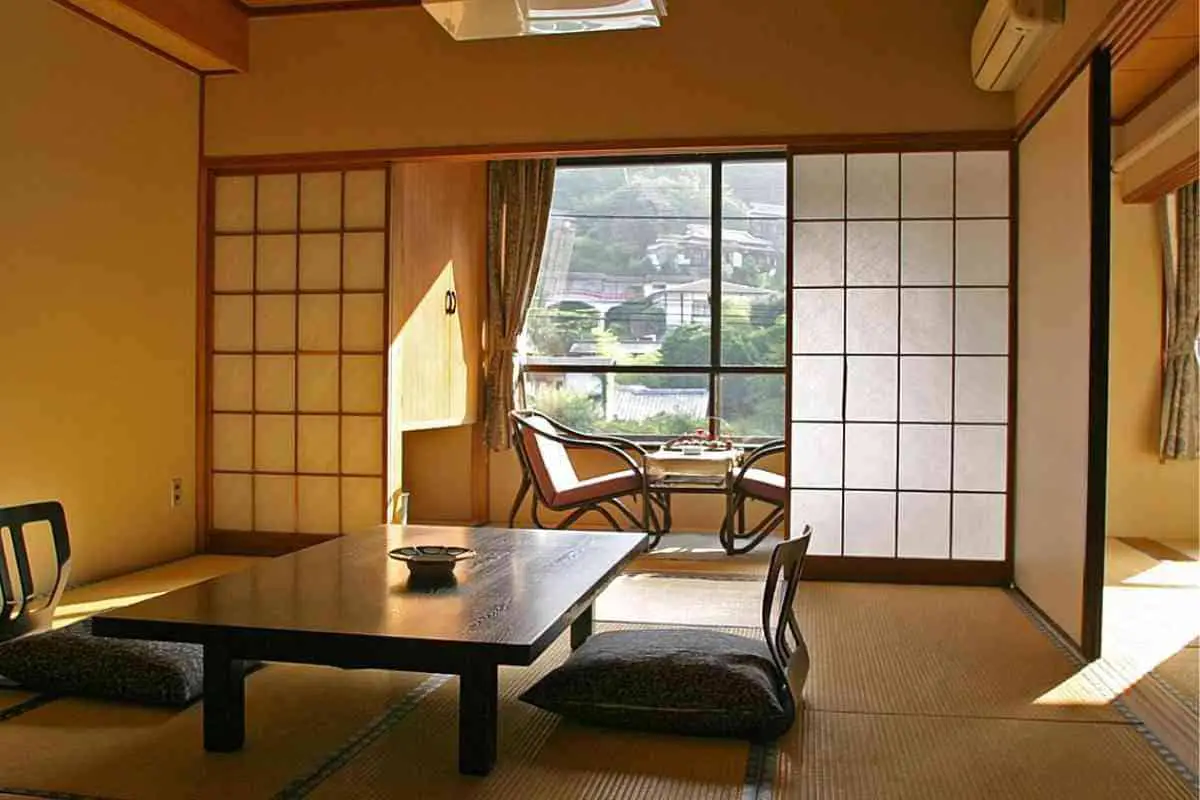
When planning a stay at a ryokan in Malaysia, the booking process is straightforward, providing guests with an opportunity to immerse themselves in the tranquil culture that these accommodations offer. With several options available, it’s essential to understand how to secure a reservation and the accessibility of these unique lodgings in relation to major cities and tourist hotspots.Booking a stay at a ryokan can usually be done through various channels.
Many ryokans have their own websites where you can check availability and book directly. Additionally, popular travel websites and apps allow for easy comparison and booking, which can often provide better deals or bundled offers. It’s advisable to book in advance, especially during peak tourist seasons, as ryokans can fill up quickly due to their limited capacity and popularity.
Accessibility of Ryokans in Major Cities
Ryokans in Malaysia are typically located in areas that are convenient for tourists, particularly in major cities and popular tourist destinations. The accessibility of these ryokans can influence your overall experience, as being close to attractions allows for a more enriching stay. In cities like Kuala Lumpur, Penang, and Malacca, ryokans are well-connected by public transportation systems, including buses and trains.
Many guests find that a short walk from public transit can lead them to their desired ryokan, making it easy to explore local attractions. In addition, ride-hailing apps have gained popularity, providing another convenient option for travelers.Here are some key points to consider regarding accessibility:
- Most ryokans in urban areas are within walking distance to popular attractions, enhancing your travel experience.
- Public transportation options are readily available, with efficient bus and train systems connecting you to various parts of the city.
- For those staying in more remote ryokans, check if shuttle services are provided or if car rental is advisable for easier exploration.
Best Times to Visit for an Authentic Experience
Timing your visit can significantly enhance your experience at a ryokan. The best times to visit often coincide with local festivals or seasonal changes, which allow guests to engage with the culture more deeply. Planning your trip around specific months can also provide opportunities to enjoy local cuisine, traditional practices, and the serene environment that ryokans are known for. Here are some suggestions for optimal visit times:
- Spring (March to May) offers a beautiful view of blooming flowers, especially cherry blossoms, providing a picturesque backdrop for your stay.
- Autumn (September to November) is ideal for experiencing colorful foliage, which can be particularly stunning in areas close to nature.
- Local cultural festivals often occur throughout the year, presenting unique experiences not to be missed, such as the Mid-Autumn Festival in September and various harvest celebrations.
By planning ahead for both booking and timing, you can ensure a memorable stay at a ryokan that captures the essence of Malaysia’s rich culture and hospitality.
Cultural Etiquette in Ryokans
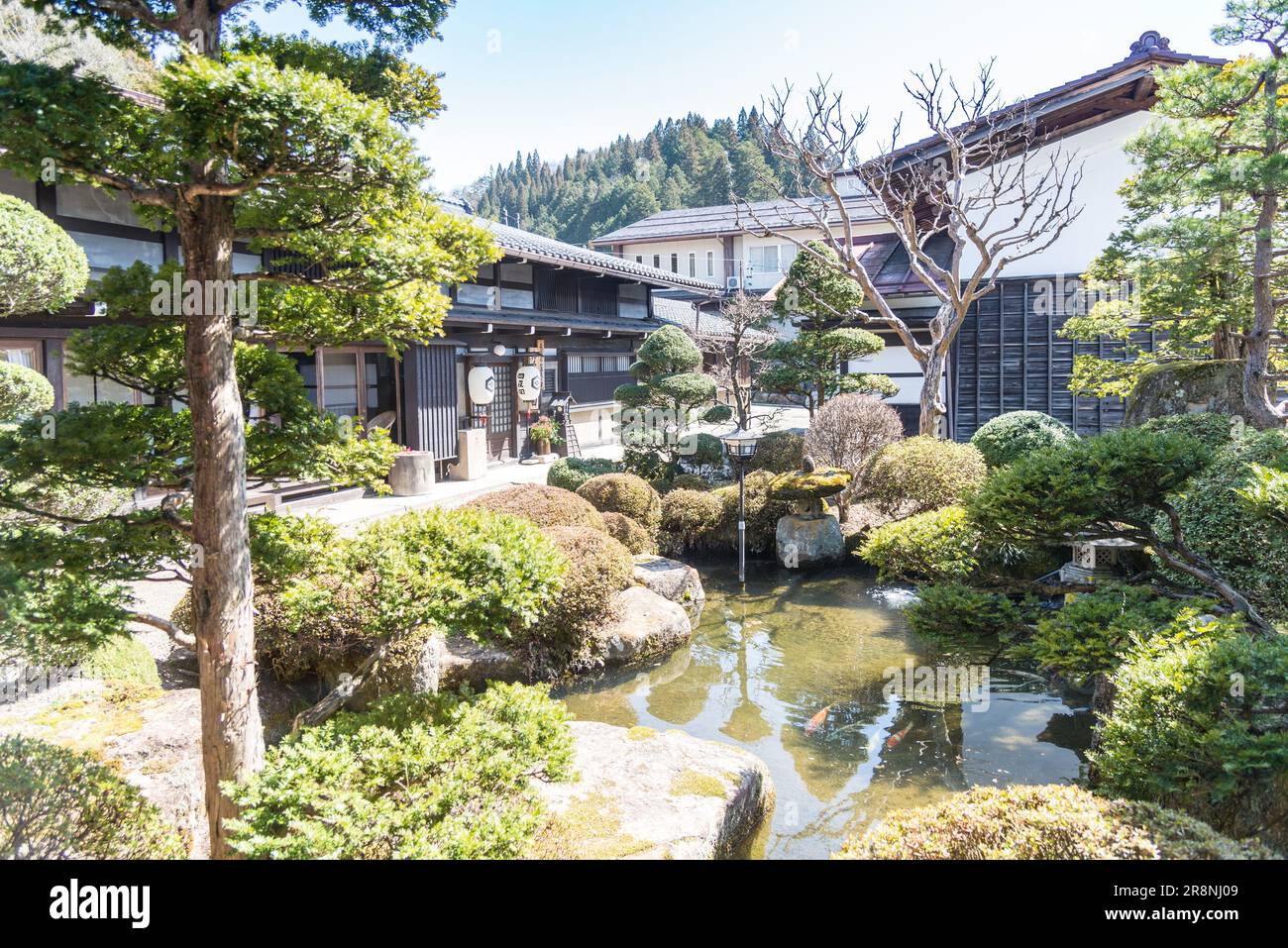
Staying at a ryokan is not just about enjoying the beautiful surroundings and traditional architecture; it is also about immersing oneself in the rich cultural practices that these establishments embody. To enhance the experience and show respect for local customs, guests should be mindful of the etiquette that comes with this unique hospitality.One of the most important aspects of ryokan etiquette is understanding the customs associated with greetings and behavior within the establishment.
Respect for tradition and the people who uphold it is paramount. Many guests may not be familiar with the nuances of Japanese hospitality, so adhering to certain dos and don’ts can ensure a more enriching stay.
Common Dos and Don’ts for Ryokan Etiquette
Understanding the correct behavior in a ryokan setting can significantly enhance your experience. Here’s a helpful guide to common practices you should observe:
- Do remove your shoes: Upon entering your room or any tatami-matted area, take off your shoes. This is a sign of respect and cleanliness.
- Do greet the staff politely: A simple “Arigato gozaimasu” (thank you) is appreciated and reflects good manners.
- Do participate in traditional meals: Enjoy the kaiseki (multi-course meal) with an open mind, and appreciate the artistry in presentation and taste.
- Don’t touch the futon: The futon is a sacred part of Japanese sleeping culture. Wait for the staff to arrange it for you.
- Don’t use your phone loudly: Keep your phone on silent mode and avoid loud conversations, as ryokans encourage a serene and tranquil atmosphere.
Respecting these customs not only enhances your experience but also shows appreciation for the culture and traditions of your hosts, creating a more harmonious atmosphere for everyone involved.
“In Japan, manners are a reflection of respect for others and one’s surroundings.”
Cultural customs in ryokans often extend beyond behavior within the establishment, as guests should also be aware of the local customs prevalent in the community. Observing these practices fosters goodwill and deepens the appreciation of the Japanese way of life, allowing for a more authentic and memorable ryokan experience.
Comparisons with Other Accommodations: Ryokan In Malaysia

Staying at a ryokan in Malaysia offers a unique experience that stands apart from traditional hotels and resorts. While hotels may provide comfort and convenience, ryokans immerse guests in a rich cultural experience that reflects Japanese hospitality and traditions. The choice between these types of accommodation ultimately depends on the kind of experience travelers are seeking.Ryokans distinguish themselves through their emphasis on cultural authenticity and personalized service.
Unlike many hotels that prioritize luxury and modern amenities, ryokans focus on simplicity and the beauty of natural surroundings. Guests can enjoy a tranquil atmosphere, often accompanied by traditional practices such as tea ceremonies and kaiseki dining. This cultural immersion is an integral part of the ryokan experience, setting it apart from typical hotel stays.
Experiences Exclusive to Ryokans
When considering accommodation options in Malaysia, there are distinctive experiences that ryokans offer which are rarely found in hotels or resorts. These unique offerings contribute to a memorable stay that emphasizes cultural appreciation and a connection to nature. Here are some experiences exclusive to ryokans:
- Traditional Tatami Rooms: Guests sleep on futons laid on tatami mats, creating a serene and authentic ambiance.
- Kaiseki Cuisine: Multi-course meals featuring seasonal and local ingredients served in a traditional Japanese style.
- Onsen Baths: Natural hot spring baths provide relaxation and therapeutic benefits, often set in serene environments.
- Tea Ceremony: Participate in a traditional tea ceremony, an art form that captures the essence of Japanese culture.
- Personalized Service: Attentive staff cater to guests’ needs, offering a level of hospitality that is often more intimate than in hotels.
- Scenic Surroundings: Many ryokans are located in picturesque areas, allowing guests to connect deeply with nature.
Choosing a ryokan is about more than just a place to stay; it’s an opportunity to engage with Japanese culture and hospitality in a tranquil setting.
Future of Ryokans in Malaysia
As Malaysia continues to embrace its rich cultural diversity, the future of ryokans in the country appears promising. With the rise in interest toward authentic cultural experiences, these traditional accommodations are poised to attract both local and international tourists looking for unique stays that blend hospitality with heritage. The growth of ryokans in Malaysia is influenced by several trends that highlight the increasing demand for cultural tourism.
With the global tourism landscape shifting towards immersive and sustainable travel experiences, ryokans are uniquely positioned to cater to this shift. Tourists are seeking not just a place to stay but an opportunity to engage deeply with local culture, cuisine, and community traditions.
Trends Influencing Growth, Ryokan in malaysia
Several key trends are shaping the future of ryokans in Malaysia, enhancing their appeal among travelers:
- Increased Interest in Cultural Tourism: A growing number of tourists are prioritizing authentic cultural experiences, seeking accommodations that reflect the local heritage.
- Sustainable Travel Practices: As environmental awareness rises, many ryokans are adopting eco-friendly practices, attracting eco-conscious travelers.
- Digital Marketing and Social Media: With the rise of platforms like Instagram, visual storytelling helps promote the unique aesthetics and experiences offered by ryokans, drawing attention to their distinctive offerings.
- Wellness Tourism: The integration of wellness packages that encompass traditional practices like meditation, yoga, and local cuisine is gaining popularity, making ryokans an appealing choice for health-focused travelers.
The predictions for the future development of ryokans as a cultural tourism option are optimistic. With the Malaysian government’s efforts to promote tourism through various initiatives, such as the Visit Malaysia program, ryokans could see increased visibility and support. Moreover, collaborations with local artisans and cultural practitioners can enhance the authenticity of the experiences offered, leading to a richer, more engaging stay for guests.However, maintaining cultural authenticity poses significant challenges for ryokans in Malaysia.
As the demand for commercial viability grows, there’s a risk of losing traditional elements that define the ryokan experience.
“Preserving the essence of ryokans while adapting to modern tourist demands is a delicate balance.”
To navigate these challenges, it is vital for ryokan operators to focus on genuine cultural practices and engage local communities in their offerings. This ensures that while they attract a broader audience, they remain true to the roots of ryokan hospitality.As they evolve, ryokans hold the potential not only to thrive as unique accommodations but also to serve as vital cultural ambassadors, showcasing the rich traditions and stories of Malaysia to a global audience.
FAQ Overview
What is a ryokan?
A ryokan is a traditional Japanese inn that offers a unique hospitality experience, characterized by tatami mat rooms, onsen baths, and kaiseki dining.
How do ryokans in Malaysia differ from Japanese ryokans?
Ryokans in Malaysia incorporate local cultural elements, cuisine, and architecture, blending Japanese traditions with Malaysian influences.
Are meals included in ryokan stays?
Most ryokans in Malaysia offer meal packages that feature local delicacies and traditional cuisine as part of the stay.
What should I wear at a ryokan?
Guests are often encouraged to wear yukata (a casual kimono) provided by the ryokan, along with comfortable slippers.
How can I book a stay at a ryokan in Malaysia?
You can book a stay directly through the ryokan’s website or via popular travel booking platforms.
