Hotels in Tokyo offer a dynamic range of options that cater to every traveler’s taste and budget. From luxurious high-rise hotels with breathtaking views to quirky capsule hotels that redefine your sleeping experience, the landscape of accommodation in this bustling metropolis is as diverse as the city itself. With a perfect blend of traditional hospitality and modern amenities, Tokyo’s hotels provide unique stays that reflect the city’s vibrant culture.
Whether you’re seeking a budget-friendly option in the heart of the city or a boutique hotel that captures the essence of Tokyo, there’s something for everyone. Statistics reveal that Tokyo boasts high hotel occupancy rates, showcasing its popularity among both domestic and international travelers. Exploring popular districts like Shinjuku and Shibuya, and delving into unique hotel experiences, will help you discover the perfect place to rest after a day of adventure.
Overview of Hotels in Tokyo

Tokyo’s hotel scene is as dynamic and diverse as the city itself, offering a wide range of options to suit every traveler’s needs. From ultra-modern skyscrapers in bustling districts to serene boutique retreats tucked away in quieter neighborhoods, the landscape of hotels in Tokyo caters to luxury seekers, budget-conscious travelers, and everyone in between. The types of hotels available in Tokyo are numerous, providing accommodations that reflect the city’s unique blend of tradition and innovation.
Major categories include luxury hotels such as the iconic Park Hyatt Tokyo, known for its breathtaking views and impeccable service, and budget-friendly options like capsule hotels, which offer efficient and cost-effective lodging. Boutique hotels have also surged in popularity, providing personalized experiences and curated designs that enhance the stay. In terms of occupancy rates, Tokyo’s hotels boast a robust average, typically hovering around 85% during peak seasons, indicating a strong demand for accommodations in this vibrant metropolis.
Types of Hotels Available
Tokyo’s hotel offerings can be broadly categorized into several distinct types, each serving different preferences and budgets. Understanding these categories can help travelers make informed choices based on their needs and experiences.
- Luxury Hotels: These establishments often feature high-end amenities, spa services, fine dining, and exceptional customer service. Examples include the Mandarin Oriental and The Peninsula Tokyo, both known for their opulent interiors and strategic locations.
- Budget Hotels: Catering to cost-conscious travelers, budget hotels provide basic accommodations without sacrificing comfort. The APA Hotels chain and Toyoko Inn are popular choices, offering clean, functional rooms at competitive prices.
- Boutique Hotels: These hotels emphasize unique design and personalized service, often showcasing the local culture. An example is Hotel Gracery Shinjuku, which features themed rooms and a distinct architectural style that stands out in the city’s skyline.
- Capsule Hotels: A distinctly Japanese innovation, capsule hotels offer small, pod-like spaces for sleeping. They are ideal for solo travelers looking for a quirky yet affordable experience, with notable options like The Prime Pod Ginza.
- Ryokans: These traditional Japanese inns provide an authentic experience, featuring tatami mat flooring and futon bedding. Staying at a ryokan, such as Gion Hatanaka, allows guests to immerse themselves in Japanese hospitality and cuisine.
Tokyo’s hotel scene is not only diverse in style and price but is also characterized by its adaptability to the ever-evolving needs of travelers. The blend of modern luxury and traditional hospitality creates an inviting atmosphere for all who visit.
Popular Areas for Hotels in Tokyo

Tokyo, a bustling metropolis, is known for its rich culture, vibrant nightlife, and impressive skyline. When it comes to accommodation, certain districts stand out for their accessibility, amenities, and unique experiences. Key areas such as Shinjuku, Shibuya, and Ginza are especially popular among travelers, each offering distinct characteristics that cater to different preferences and budgets.Shinjuku is renowned for its lively atmosphere, featuring endless shopping, dining, and entertainment options.
Shibuya, on the other hand, is famous for its iconic crossing and youthful vibe, making it a hotspot for those looking to experience Tokyo’s trendiest side. Ginza is the epitome of luxury, boasting upscale shopping and fine dining, perfect for those seeking a more sophisticated stay. The following sections will provide a detailed look at these districts, including hotel price comparisons and insights into public transportation accessibility.
Hotel Prices in Key Districts
Understanding the accommodation costs in these areas can help you plan your stay effectively. Below is a comparison table outlining average hotel prices per night in Shinjuku, Shibuya, and Ginza.
| District | Average Price (USD) | Hotel Type |
|---|---|---|
| Shinjuku | $100 – $300 | Mid-range to Luxury |
| Shibuya | $120 – $350 | Mid-range to Boutique |
| Ginza | $200 – $600 | Luxury |
The prices can vary significantly depending on the season, hotel brand, and proximity to major attractions. For instance, budget travelers might find options in Shinjuku more accessible, while those looking for luxury may prefer the high-end offerings in Ginza.
Public Transportation Accessibility
Tokyo’s public transportation system is known for its efficiency and extensive coverage, making it easy to navigate the city from any hotel location. Each of the districts mentioned offers excellent access to train and subway lines.
Shinjuku
Home to one of the busiest railway stations in the world, Shinjuku provides connectivity to numerous lines, including the JR Yamanote Line, which circles the city. This accessibility facilitates quick travel to major attractions like Harajuku and Akihabara.
Shibuya
Famous for its Shibuya Station, visitors can easily access the JR Yamanote Line, along with multiple metro lines. This makes traveling to the vibrant neighborhoods of Omotesando and Shinjuku extremely convenient.
Ginza
While known for its luxury shopping, Ginza is also well-served by public transport, with access to the Tokyo Metro Ginza Line and the Hibiya Line. It’s a short ride away from popular districts like Tsukiji and Roppongi.
Public transportation in Tokyo is an integral aspect of city life, providing residents and visitors with easy access to almost every corner of the metropolis.
Staying in any of these districts not only offers a unique experience but also ensures seamless mobility across Tokyo’s vast urban landscape, allowing guests to explore the city with ease.
Unique Hotel Experiences in Tokyo
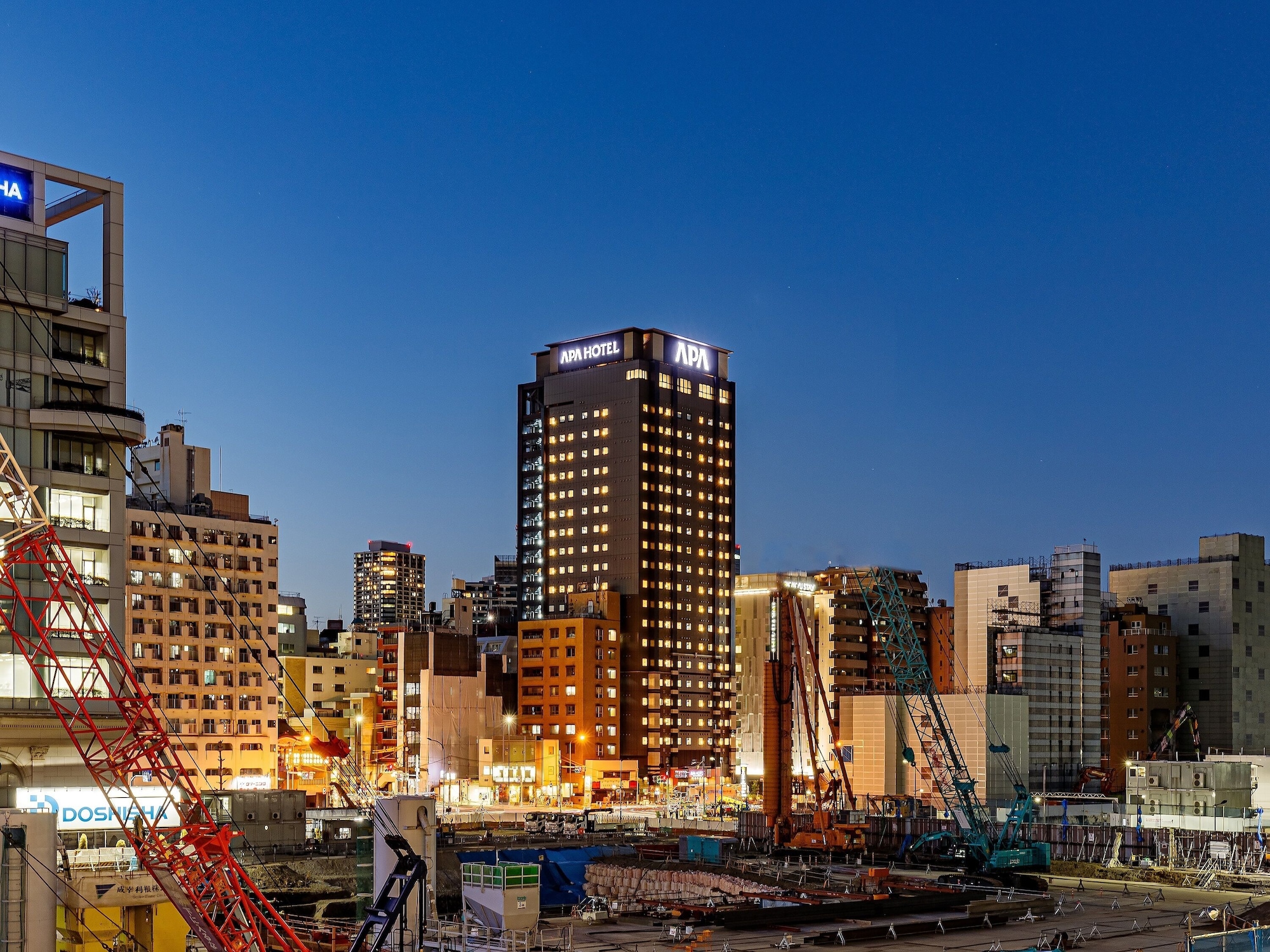
Tokyo is a hub of creativity and innovation, and this is beautifully reflected in its unique hotel offerings. Travelers can immerse themselves in experiences that go beyond the average stay, whether it’s snuggling into a capsule hotel or finding luxury in a themed room. Tokyo’s hotels cater to adventurous spirits and those seeking something out of the ordinary, ensuring every visit is memorable.The city boasts a variety of unusual hotels and distinctive themes that make for exciting stays.
From the futuristic capsule hotels resembling sleeping pods to whimsical themed hotels that transport guests into different worlds, Tokyo has it all. Following is a look at some of the most unique hotel experiences available in this vibrant metropolis.
Unusual Hotels and Their Themes
Japan’s capsule hotels are a hallmark of modern convenience and minimalism. These compact sleeping pods are designed for solo travelers looking for affordable yet comfortable accommodation. They provide just enough space for a good night’s sleep, often equipped with sliding doors for privacy. One notable example is The Millennials Shibuya, which combines the concept of capsule living with stylish design and communal spaces.Themed hotels in Tokyo offer a wide range of experiences, from the fantastical to the nostalgic.
For instance, the Alice in Wonderland-themed hotel, Hotel Gracery Shinjuku, transports guests into a whimsical world with its decor and themed rooms. Another standout is the Robot Hotel, where guests are greeted and assisted by robotic staff, blending technology with hospitality in unprecedented ways.
Hotels with Unique Amenities
Tokyo’s hotels often come with unique amenities that set them apart from traditional accommodation. Many offer onsen (Japanese hot spring) experiences, allowing guests to unwind and soak in therapeutic waters. This feature is a great way to experience Japanese culture and relaxation. Here are a few hotels known for their remarkable amenities:
- Hoshinoya Tokyo: This luxury ryokan features serene onsen facilities right in the heart of the city, providing a traditional Japanese escape.
- Park Hyatt Tokyo: Renowned for its tranquil atmosphere, this hotel provides a stunning indoor pool and a wellness center with spa services.
- Shinjuku Granbell Hotel: Known for its rooftop bar and hot tub, it offers spectacular views of the Tokyo skyline while guests relax in style.
Many travelers have shared their unforgettable experiences after staying at these unique hotels. One guest at the capsule hotel remarked, “It was surprisingly spacious and clean. Perfect for a solo trip!” Another traveler at the themed hotel mentioned, “Staying in a room inspired by my favorite movie made my trip even more special!” Such testimonials highlight the delight and surprise that comes with choosing to stay in one of Tokyo’s unique accommodation options.
“Tokyo is where the past meets the future, and staying in these unique hotels makes you feel like you’re part of both.”
A satisfied traveler.
Budget Accommodation Options: Hotels In Tokyo
Finding affordable accommodation in Tokyo is essential for travelers who want to experience the city without breaking the bank. With a vibrant mix of culture, food, and entertainment, budget-friendly options allow visitors to explore more while staying comfortably. From hostels to economical hotels, Tokyo offers a range of choices that cater to various needs and preferences, ensuring that every traveler can find a suitable lodging option.When searching for budget accommodations in Tokyo, it’s crucial to know where to look and how to secure the best deals.
Many travelers utilize online platforms that compare prices across various booking sites, ensuring they get the most value for their money. Additionally, being flexible with travel dates can lead to significant savings, as rates often fluctuate depending on demand. Early booking can also yield discounts, as many hotels offer incentives for those who reserve their stay well in advance.
Budget-Friendly Hotels and Hostels
Tokyo boasts numerous budget-friendly hotels and hostels that provide excellent amenities without a hefty price tag. Here are some popular options to consider:
- Capsule Hotel Anshin Oyado Premium
- UNPLAN Shinjuku
- K’s House Tokyo Oasis
- Backpackers Hostel K’s House Tokyo
- Tokyo Central Youth Hostel
- Hostel Village
These establishments not only offer affordable rates but also provide a sense of community and a chance to meet fellow travelers, enhancing the overall experience.
Strategies for Finding Deals and Discounts
Utilizing various strategies can help travelers secure the best deals on accommodation in Tokyo. Here are some effective tips to consider:
- Use price comparison websites like Booking.com, Kayak, or Agoda.
- Sign up for newsletters and loyalty programs to receive exclusive discounts.
- Book during the off-peak season for lower rates.
- Consider last-minute deals on mobile apps.
- Look for promotional codes often shared on social media or travel blogs.
By implementing these strategies, travelers can maximize their budget while enjoying the rich offerings of Tokyo.
Amenities Comparison of Budget Hotels
Understanding the amenities offered by budget hotels can help travelers make informed choices. Below is a table that compares various amenities provided by selected budget accommodations in Tokyo:
| Hotel/Hostel Name | Free Wi-Fi | Breakfast Included | Shared Kitchen | 24-Hour Front Desk |
|---|---|---|---|---|
| Capsule Hotel Anshin Oyado Premium | Yes | No | No | Yes |
| UNPLAN Shinjuku | Yes | Yes | Yes | Yes |
| K’s House Tokyo Oasis | Yes | No | Yes | Yes |
| Backpackers Hostel K’s House Tokyo | Yes | Yes | Yes | No |
| Tokyo Central Youth Hostel | Yes | No | Yes | Yes |
| Hostel Village | Yes | Yes | No | No |
This table illustrates the variety of amenities available at different budget accommodations in Tokyo, ensuring that travelers can choose an option that best fits their needs while keeping their costs low.
Luxury Hotel Insights
Tokyo is renowned for its blend of traditional culture and cutting-edge modernity, which is beautifully reflected in its luxury hotel offerings. These hotels not only provide opulent accommodations but also immerse guests in unique experiences that reflect the essence of Japan. From high-end amenities to exceptional service, luxury hotels in Tokyo cater to discerning travelers seeking an unforgettable stay in one of the world’s most vibrant cities.Defining luxury in Tokyo goes beyond just plush furnishings and gourmet dining.
The features that characterize these high-end establishments include personalized service, exquisite design, and exclusive experiences that resonate with the local culture. Guests can expect tranquil environments, wellness options like spas and fitness centers, and top-tier dining experiences that often highlight seasonal, local ingredients. Additionally, luxury hotels frequently incorporate elements of traditional Japanese hospitality, known as “omotenashi,” which emphasizes attention to detail and service that anticipates guests’ needs.
Top Luxury Hotels and Signature Services
Here is a curated list of some of the most prestigious luxury hotels in Tokyo, renowned for their exceptional offerings:
- The Peninsula Tokyo
-Known for its impeccable service and stunning views of the Imperial Palace. Signature services include a 24-hour butler service and a world-class spa featuring traditional Japanese treatments. - Park Hyatt Tokyo
-This hotel offers a tranquil haven in the heart of the city, complete with spacious rooms and a renowned art collection. The in-house restaurant serves gourmet cuisine with panoramic city views that elevate every meal. - The Ritz-Carlton Tokyo
-Occupying the top floors of a skyscraper, it provides breathtaking views of Tokyo. Guests enjoy the luxurious Club Lounge, where complimentary meals and refreshments are served throughout the day. - Mandarin Oriental Tokyo
-Famed for its stunning skyline views and exceptional dining options, guests can indulge in Michelin-starred cuisine and rejuvenating spa treatments inspired by ancient traditions. - Shangri-La Hotel Tokyo
-This hotel blends Eastern hospitality with Western luxury, featuring beautifully appointed rooms and an impressive wellness center. The signature service includes personalized itineraries for exploring Tokyo.
Importance of Location and View in Luxury Hotel Offerings
The location and views that luxury hotels in Tokyo provide greatly enhance the guest experience. Tokyo is a sprawling metropolis, and staying in a prime location allows easy access to major attractions, cultural sites, and bustling neighborhoods. Many luxury hotels are strategically situated to offer spectacular views of landmarks such as the Tokyo Tower, the Imperial Palace, or the serene Tokyo Bay.
Guests can enjoy these vistas from the comfort of their rooms or the hotel’s restaurants and lounges.
“A room with a view not only enhances the ambiance but also connects guests with the vibrant life of Tokyo, allowing them to absorb the city’s energy and beauty.”
In summary, luxury hotels in Tokyo provide much more than lavish accommodations; they create unique experiences that celebrate the city’s culture and charm. From exceptional service to breathtaking views, these hotels are designed to deliver an unparalleled stay for every guest.
Hotel Booking Tips
When planning a trip to Tokyo, securing the right accommodation at the right price is crucial to enhancing your experience. Knowing the best strategies and timelines for booking can save you both time and money. Below, we provide essential tips that will guide you through the process of booking your hotel in Tokyo effectively.
Best Time to Book Hotels in Tokyo
Booking your hotel at the right time can significantly impact your travel budget and options. Here’s a step-by-step guide to help you determine the optimal time for your hotel reservations:
- Research Peak Seasons: Tokyo is busiest during cherry blossom season (late March to early April) and from mid-December to the New Year. Prices typically spike during these periods.
- Book Early: For travel during peak seasons, aim to book at least 3-6 months in advance to secure the best rates.
- Consider Off-Peak Travel: Visiting during the off-peak seasons (late summer or fall) can yield lower prices and better availability.
- Monitor Price Trends: Utilize price comparison websites and set alerts for price drops to find the best deals close to your travel dates.
- Last-Minute Deals: If you’re flexible with your travel plans, some hotels offer last-minute discounts, typically within a week of your stay.
Booking Through Travel Agencies versus Direct Booking
Choosing between a travel agency and direct booking can affect your experience and expenses. Here’s a breakdown of the pros and cons of both options:
“Understanding the advantages and disadvantages can help you make an informed decision.”
| Booking Method | Pros | Cons |
|---|---|---|
| Travel Agencies | – Expertise in finding deals – Package deals with flights and activities – Support during emergencies |
– Service fees may apply – Less flexibility with changes |
| Direct Booking | – Potentially lower rates – Greater flexibility for changes – Direct communication with the hotel |
– Requires more research – No additional support services |
Checklist for Choosing the Right Hotel
To ensure you select a hotel that meets your needs, consider the following checklist. This will help streamline your decision-making process:
“Making an informed choice ensures a more enjoyable stay.”
- Location: Proximity to public transport and attractions.
- Budget: Ensure the hotel fits within your budget, including hidden fees.
- Amenities: Look for necessary amenities like Wi-Fi, laundry, and breakfast options.
- Reviews: Check recent guest reviews on reputable sites for insight into the quality of service.
- Cancellation Policy: Understand the terms to avoid potential financial losses if plans change.
- Loyalty Programs: Consider hotels that offer loyalty rewards for future stays.
Cultural Considerations for Staying in Hotels
Staying in a hotel in Japan offers a unique blend of hospitality and cultural nuances that can enhance your travel experience. Understanding the local etiquette, as well as the differences in hotel policies compared to what you might be accustomed to, can significantly improve your stay. This section highlights key cultural considerations to keep in mind while enjoying your time in Japanese hotels.
Cultural Etiquette in Japanese Hotels
Japanese culture places a strong emphasis on manners, respect, and consideration for others. When staying in a hotel, it is important to be aware of certain etiquette to ensure a pleasant experience for both yourself and the hotel staff. Here are some essential points to consider:
- Politeness is Key: Always greet the staff with a polite “Konnichiwa” (hello) or “Arigatou gozaimasu” (thank you). A respectful attitude goes a long way.
- Shoe Etiquette: Many hotels provide indoor slippers. It’s customary to remove your outdoor shoes when entering your room or certain areas. Make sure to follow this practice.
- Quietness is Valued: Japanese society values tranquility; maintaining a low noise level in hallways and public spaces is appreciated.
- Respect for Privacy: Staff may not enter your room unless invited or if it’s a scheduled cleaning. If you want privacy, display the “Do Not Disturb” sign visibly.
Hotel Policies that Differ from Western Norms
While many aspects of Japanese hospitality are welcoming, some hotel policies may come as a surprise to travelers accustomed to Western norms. Understanding these can help avoid confusion during your stay:
- Check-in and Check-out Times: Hotels typically have strict check-in (usually around 3 PM) and check-out (around 11 AM) times. Early check-ins or late check-outs may incur additional fees.
- Cancellation Policies: Many hotels have rigid cancellation policies. Always check these terms when booking to avoid unexpected charges.
- Service Charges: Unlike many Western hotels, tipping in Japan is not customary and can even be considered rude. Service charges are generally included in your bill.
Language and Communication in Hotel Settings
Language can be a barrier in Japan, but most hotels cater to international guests and many staff members have a basic understanding of English. Here are some strategies for effective communication:
- Use Simple English: When speaking, use clear and simple phrases. Avoid idioms or slang that may not translate well.
- Translate Key Phrases: Consider learning a few essential Japanese phrases such as “Eigo o hanasemasu ka?” (Do you speak English?) to ease communication.
- Hotel Apps: Many hotels provide apps or in-house tablets to assist with translation, room service, and inquiries. Familiarize yourself with these tools.
“Politeness and respect are at the heart of Japanese culture; embody these values during your stay for a memorable experience.”
Future Trends in Tokyo’s Hotel Industry
As Tokyo continues to evolve as a global travel destination, its hotel industry is poised for significant transformations. The combination of innovative designs, advanced technology, and shifting customer expectations will shape the future landscape of accommodations in this vibrant city. Understanding these trends is essential for anyone looking to stay in Tokyo or invest in its hospitality sector.The integration of technology in hotel operations is rapidly changing the way guests interact with their accommodations.
From mobile check-ins to AI-powered concierge services, hotels in Tokyo are embracing digital solutions to enhance guest experiences and streamline services. This tech-driven approach not only improves efficiency but also caters to the increasing demand for convenience among travelers.
Design Innovations in Hotel Spaces
Hotels are increasingly focusing on unique designs that reflect the local culture while providing modern amenities. This trend is moving towards creating spaces that blend traditional Japanese aesthetics with contemporary functionality. Notable examples include the use of sustainable materials and eco-friendly designs, which resonate with the growing awareness of environmental issues among travelers. Key design innovations include:
- Modular Room Designs: Flexible room layouts that adapt to different guest needs, allowing for personalized experiences.
- Biophilic Design Elements: Incorporating natural elements like plants and natural light into hotel interiors to promote wellness and relaxation.
- Smart Room Technology: Features like automated lighting, climate control, and entertainment systems that can be controlled via smartphones enhance guest comfort.
Technological Advancements Shaping Hotel Operations
The impact of technology on hotel operations is profound, as hoteliers leverage data analytics, AI, and IoT (Internet of Things) to optimize guest experiences. Predictive analytics, for instance, allows hotels to anticipate guest preferences and personalize services accordingly. Some technological advancements influencing the industry include:
- Contactless Services: Increasing demand for contactless check-in and payment methods to ensure safety and convenience.
- Robotic Assistance: Use of robots for room service and cleaning, which not only enhances efficiency but also adds a futuristic element to guest interactions.
- Virtual Reality Tours: Offering potential guests virtual tours of rooms and facilities, enabling them to make informed decisions before booking.
Predictions for Customer Expectations
As the hotel industry evolves, so do customer expectations, which are becoming more sophisticated and experience-driven. Travelers increasingly seek not just a place to stay, but immersive experiences that connect them to the local culture. Key predictions for future customer expectations include:
- Authenticity Over Luxury: Guests are prioritizing authentic experiences and local interactions over traditional luxury amenities.
- Wellness Amenities: Demand for wellness-focused services, such as spa treatments, fitness classes, and healthy dining options is on the rise.
- Seamless Integration: Guests will expect seamless integration between their online and offline experiences, from booking to check-out, enhancing convenience and satisfaction.
“The future of hospitality in Tokyo will be defined by how well hotels adapt to the evolving needs of travelers seeking personalization, sustainability, and connectivity.”
FAQ
What are the best districts to stay in Tokyo?
Popular districts include Shinjuku, Shibuya, and Ginza, each offering distinct atmospheres and attractions.
How can I find budget-friendly hotels in Tokyo?
Utilize booking websites, compare prices, and consider staying in hostels or capsule hotels for affordable options.
What unique amenities can I find in Tokyo hotels?
Many hotels offer unique experiences such as onsen baths, robot staff, and themed rooms for a memorable stay.
When is the best time to book a hotel in Tokyo?
Booking several months in advance is advisable, especially during peak travel seasons like spring and autumn.
Are there any cultural etiquettes to keep in mind in Japanese hotels?
Be respectful of customs, such as removing shoes before entering and following any specific hotel rules regarding quiet hours.
