Hotel price comparison sets the stage for this enthralling narrative, offering travelers the ultimate guide to finding the best accommodation deals. In today’s competitive travel landscape, understanding how to effectively compare hotel prices is essential for making informed choices. From a variety of online platforms to hidden fees that can impact your budget, this discussion will equip you with the knowledge and tools needed to save money while enjoying a great stay.
Delving into different methods and tools available, we’ll explore not only the benefits of price comparison but also the challenges that may come with it. By the end, you’ll be ready to navigate the hotel booking world like a pro, ensuring you get the best value for your money.
Introduction to Hotel Price Comparison
The process of hotel price comparison is essential for travelers seeking the best deals for their accommodations. By comparing prices across various platforms, travelers can identify the most cost-effective options while ensuring they meet their preferences for amenities and location. This practice not only helps in saving money but also enhances the overall travel experience.Several platforms have emerged to facilitate hotel price comparisons, each offering unique features and benefits.
Popular options include online travel agencies (OTAs) like Booking.com, Expedia, and Trivago, which aggregate hotel listings from numerous sources. Additionally, metasearch engines like Kayak and Google Hotels allow users to compare prices from multiple OTAs simultaneously, providing a comprehensive view of available options. The choice of platform can significantly impact the user’s ability to find competitive rates.
Factors Influencing Hotel Pricing
Various factors contribute to the fluctuation of hotel pricing, making it vital for travelers to understand these elements for effective comparison. These factors include:
- Location: Hotels situated in popular tourist destinations or urban centers generally command higher prices due to demand. Seasonal events, proximity to attractions, and local amenities also play a crucial role.
- Time of Year: Prices can vary significantly based on peak and off-peak seasons. For example, rates for hotels in ski resorts often spike during winter holidays compared to the summer months.
- Hotel Classification: Luxury hotels typically charge more than budget or mid-range accommodations, influenced by their facilities, services, and overall guest experience.
- Booking Timing: Early booking can often yield better rates; however, last-minute deals may also provide significant savings for flexible travelers.
- Special Promotions: Hotels may offer discounts or packages to attract guests during low occupancy periods or special events, impacting overall pricing.
Understanding these factors enables travelers to make informed decisions and maximize their savings when booking hotels.
“The best way to ensure you get a fair price is to compare rates across multiple platforms and take note of the influencing factors.”
Methods of Hotel Price Comparison
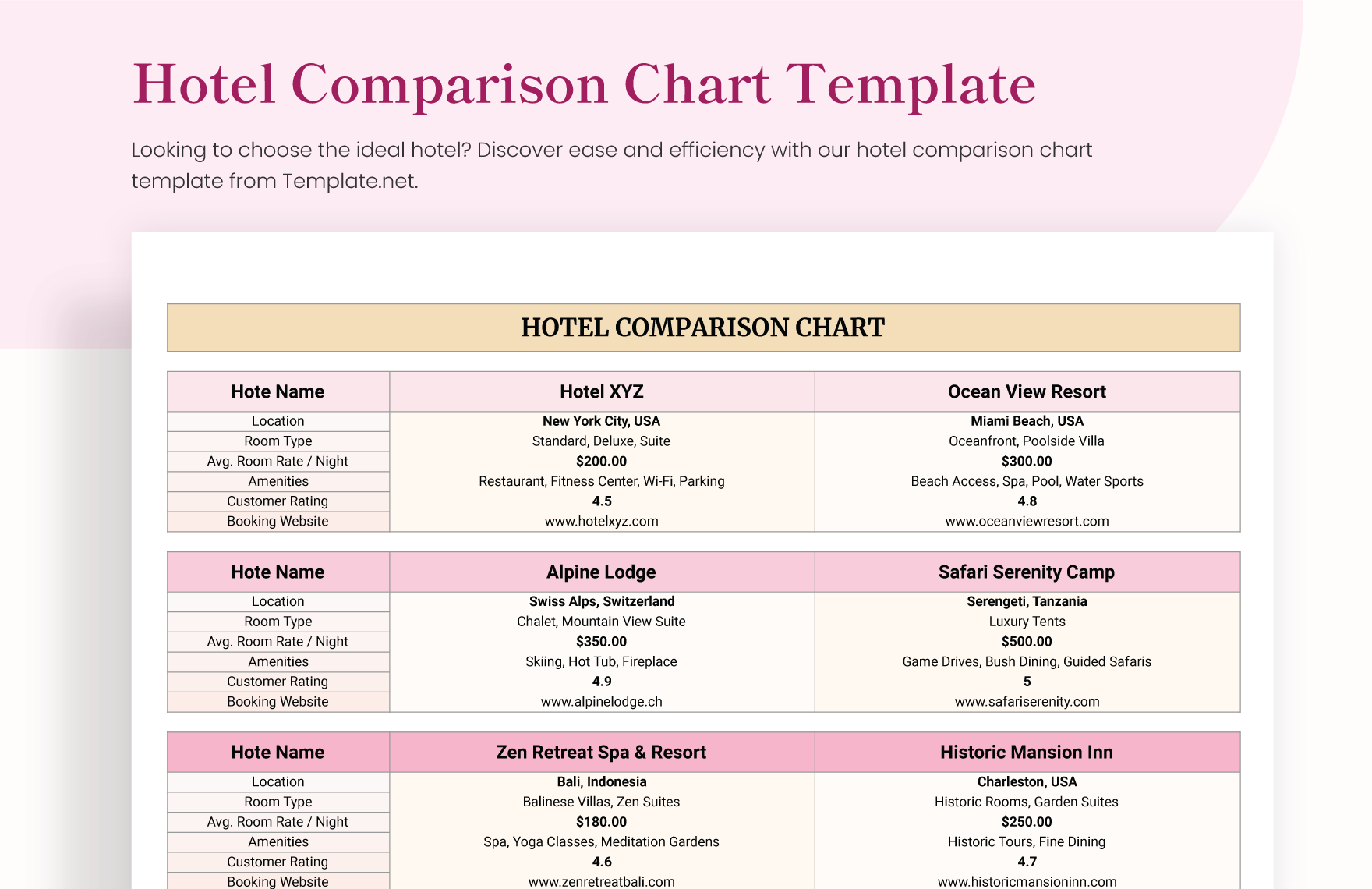
Travelers today have a myriad of options when it comes to comparing hotel prices, ensuring they get the best deals for their accommodations. Whether through specialized websites or manual methods, effective price comparison can lead to significant savings and enhance the overall travel experience. Finding the right tools and techniques for hotel price comparison is essential in today’s competitive market.
Below are some popular methods travelers can utilize, ranging from tech-savvy tools to traditional approaches.
Comparison Websites and Apps
Modern technology has made it easier than ever to compare hotel prices. Numerous websites and apps provide comprehensive listings that allow users to easily view and analyze various hotel options. Here’s a list of some popular sites and their features:
- Booking.com
-Offers a wide range of accommodations, user reviews, and flexible cancellation options. - Kayak
-Aggregates prices from multiple travel sites and includes tools to track price fluctuations. - Trivago
-Focuses solely on hotel comparisons, showcasing prices from various booking platforms side by side. - Hotels.com
-Provides a rewards program where users earn free nights, alongside competitive pricing. - Expedia
-Combines hotel booking with flight and car rental options, often providing package discounts. - Airbnb
-While primarily for home rentals, it also offers unique stays and experiences, often at competitive prices. - Google Hotels
-Allows users to filter results based on specific criteria like price, amenities, and location, pulling data from multiple sources.
These platforms not only offer price comparisons but also additional features such as user reviews, maps, and filtering options based on traveler preferences.
Manual Price Comparison Techniques
For travelers who prefer a hands-on approach or want to ensure they’ve found the best possible rate, manual price comparison can be effective. Here are some strategies to consider:
- Check Directly with Hotels: Many hotels offer the best rates when bookings are made directly through their websites. It’s worth checking their rates alongside comparison sites.
- Use Loyalty Programs: Enroll in hotel loyalty programs; they often provide exclusive discounts and perks that may not be available elsewhere.
- Leverage Social Media: Follow hotels on social media platforms for flash sales and exclusive promotional codes that can lead to lower rates.
- Call the Hotel: Sometimes, a quick phone call can reveal unpublished rates or special deals that are not advertised online.
- Compare Location-Specific Prices: Prices can vary significantly based on booking location. Consider using a VPN to check prices from different geographic areas.
By employing these methods, travelers can ensure they are making informed choices when it comes to hotel accommodations. Whether using high-tech solutions or traditional tactics, the goal remains the same: to find the best price for a comfortable stay.
Benefits of Using Hotel Price Comparison Tools
Utilizing hotel price comparison tools brings a range of advantages for travelers looking to book accommodations that fit their budget and preferences. These tools simplify the search process by allowing users to compare prices from various hotel providers in one place, ensuring they get the best deal possible.One of the primary benefits of these comparison tools is the ability to save both money and time.
Instead of visiting multiple websites to check prices, travelers can quickly see a range of options side by side. This not only expedites the booking process but also helps identify the most cost-effective choices.
Cost Savings through Price Comparison
Travelers often underestimate the potential savings that can be achieved by using hotel price comparison tools. Here are some key points demonstrating how these tools can lead to better financial outcomes:
- Immediate access to multiple rates: Comparison tools aggregate prices from various sources, allowing travelers to pinpoint the lowest rates available for the same room across different platforms.
- Transparent pricing: Many tools display all fees upfront, so travelers can avoid hidden costs that might arise during the booking process.
- Exclusive discounts: Some platforms partner with hotels to offer special deals or discounts that are not available elsewhere, enabling travelers to save even more money.
- Price alerts: Many comparison tools offer notifications for price drops on selected hotels, ensuring travelers can book at the best rate.
“Using a hotel price comparison tool can lead to savings of up to 30% on accommodation costs.”
Furthermore, the use of these tools can significantly enhance accommodation decisions, leading travelers to discover better options that they might not have considered initially. For instance, comparing hotels not only reveals lower prices but also highlights amenities and services that cater to personal preferences, such as proximity to tourist attractions, free breakfast, or cancellation policies that can impact the overall experience.A real-life example involves a traveler who initially planned to stay at a well-known hotel chain.
Upon using a comparison tool, they discovered a boutique hotel offering similar amenities for a substantially lower price. This not only saved them money but also provided a unique and memorable experience that exceeded their expectations. In summary, hotel price comparison tools serve as invaluable resources for travelers aiming to optimize their lodging choices while ensuring they remain within budget.
The time saved in searching for accommodations and the potential for significant savings cannot be overstated.
Challenges in Hotel Price Comparison
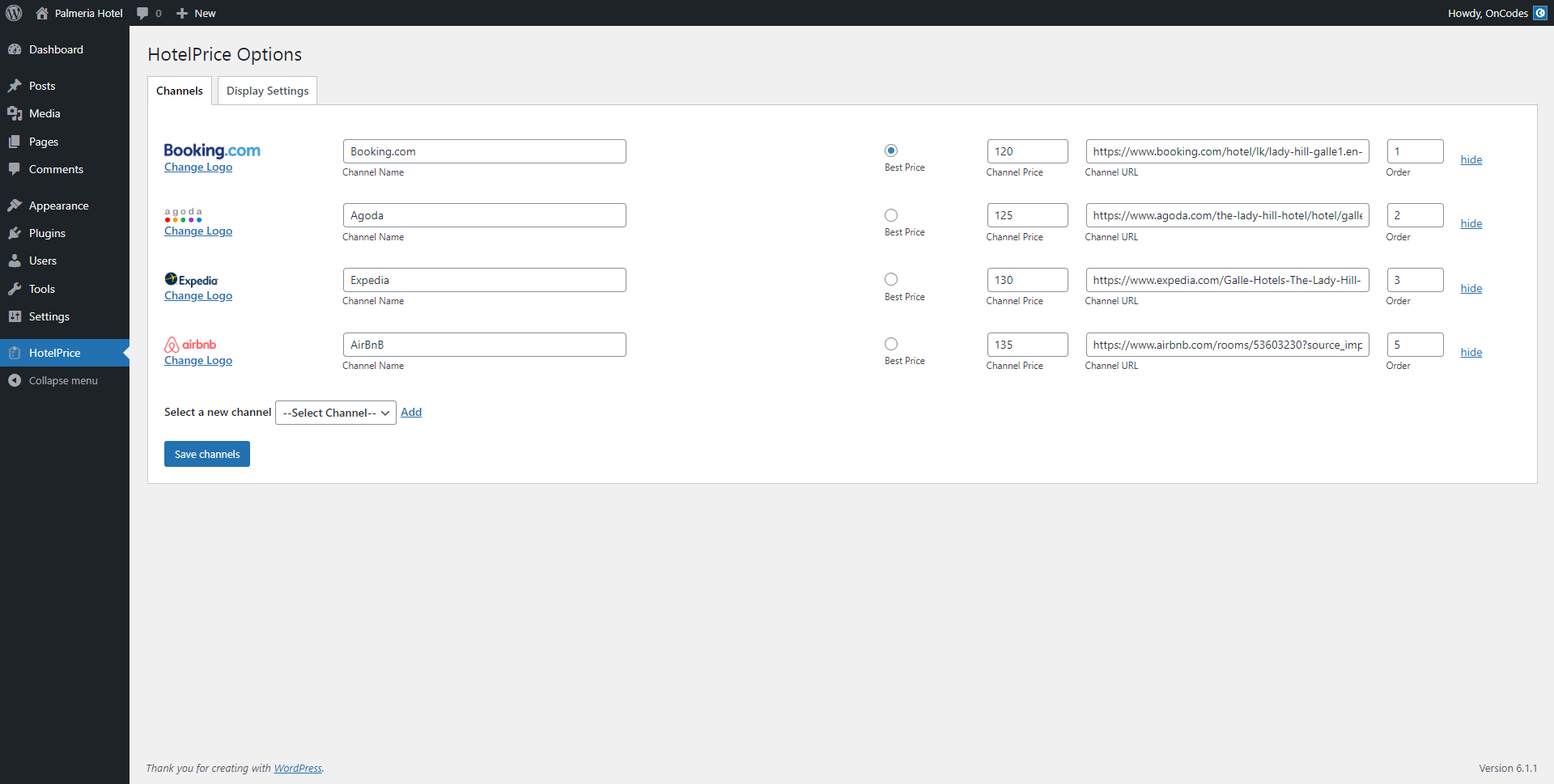
Comparing hotel prices can be a daunting task for travelers seeking the best deals. Various factors contribute to the complexity of this process, causing confusion and potentially leading to unexpected expenses. Understanding these challenges is crucial for consumers who want to make informed choices when booking accommodations.One significant hurdle in hotel price comparison is the prevalence of hidden fees and charges that can inflate the total cost of a stay.
Guests may initially find an attractive price, only to discover additional expenses such as resort fees, parking charges, or cleaning fees added during the booking process. These hidden costs can make a seemingly affordable hotel much more expensive, leading to frustration and dissatisfaction among travelers.
Impact of Hidden Fees and Charges
The impact of hidden fees on overall hotel costs cannot be overstated. These additional charges often vary from one hotel to another and can significantly alter a traveler’s budget. It is essential for consumers to be aware of these potential fees when comparing prices. Consider the following common hidden fees that may catch visitors off guard:
- Resort fees: Many hotels charge a daily fee for amenities and services, which is not included in the initial price.
- Parking fees: City hotels may charge for on-site parking, which can add up quickly, especially in urban areas.
- Wi-Fi charges: While some hotels offer complimentary internet access, others may impose daily charges for Wi-Fi usage.
- Cleaning fees: Short-term rental properties often charge cleaning fees that may not be visible until later in the booking process.
Being aware of these potential fees allows travelers to better estimate the total cost of their stay and avoid unpleasant surprises.
Recognizing Misleading Pricing Information
Misleading pricing information is another challenge customers face when comparing hotel prices. Hotels may employ various tactics to present their rates attractively, yet these methods can obscure the true cost of accommodations.To navigate this issue, travelers should keep the following tips in mind:
- Scrutinize the fine print: Always read the terms and conditions associated with a hotel booking to identify any hidden fees.
- Check for price guarantees: Some booking platforms offer price guarantees that can help ensure you’re getting the best deal.
- Read reviews: Customer feedback can provide insight into any additional charges that may not be immediately apparent.
- Use multiple comparison tools: Leveraging various hotel price comparison websites can help to identify inconsistencies and ensure accuracy.
By being vigilant and informed, travelers can protect themselves from misleading pricing and make smarter decisions when selecting their accommodations.
Best Practices for Effective Hotel Price Comparison

When it comes to finding the best hotel deals, employing effective price comparison strategies can save you both time and money. Understanding the nuances of hotel pricing and leveraging available resources can enhance your travel experience significantly. Here are some best practices to keep in mind when comparing hotel prices.
Checklist for Conducting Hotel Price Comparisons
A systematic approach can make your hotel price comparison more effective. Consider the following checklist to ensure you cover all necessary aspects:
- Determine your budget and preferred amenities before starting your search.
- Utilize multiple hotel comparison websites to gather a wide range of options.
- Check the hotel’s official website for exclusive deals or packages.
- Make sure to compare the same room types and cancellation policies across different platforms.
- Note any additional fees, such as resort fees or parking charges, that may apply.
Assessing the various options using this checklist will provide a clearer picture of what you’re getting for your money, helping you make an informed decision.
Importance of Reading Customer Reviews and Ratings
Customer reviews and ratings are crucial components that can influence your hotel choice. They offer insights into the experiences of previous guests, which can help you understand the hotel’s quality and service level.
“Reviews often reveal the truth about a hotel’s cleanliness, staff friendliness, and overall experience.”
Examining a mix of recent reviews—both positive and negative—can help you gauge the hotel’s reliability and whether it meets your expectations. Pay attention to recurring themes in the reviews, such as service quality, noise levels, and room conditions. This will provide you with a broader understanding of what to expect during your stay.
Assessing the Total Cost of a Hotel Stay
While the room rate is a pivotal factor in hotel pricing, understanding the total cost of your stay is equally important. Several elements contribute to the final price you’ll pay.
“The total cost can often exceed the initial room rate due to hidden fees and additional services.”
It’s essential to take into account:
- Taxes and fees: Many hotels charge additional taxes and fees that can significantly impact the final price.
- Breakfast and meals: Some hotels include breakfast in the room rate, while others charge extra for meals.
- Wi-Fi access: Check if the hotel charges for internet access, as this can vary widely.
- Parking fees: If you’re driving, consider whether you’ll need to pay for parking, as this can add up quickly.
- Cancellation policies: Understanding these can save you money in case your plans change.
By carefully evaluating these factors, you can ensure that you make a financially sound decision and avoid any unpleasant surprises during your hotel stay.
Future Trends in Hotel Price Comparison
As the travel industry continues to evolve, hotel price comparison tools are also adapting to new technologies and consumer expectations. Emerging trends highlight the integration of advanced technological solutions that aim to enhance user experience, streamline processes, and provide more accurate pricing data. These trends not only shape the way travelers make booking decisions but also influence how hotels strategize their pricing models in an increasingly competitive market.
Emerging Trends and Technology
The role of technology in hotel price comparison is becoming more sophisticated, with innovations driving efficiency and effectiveness in the booking process. Technologies such as machine learning, big data analytics, and mobile applications are transforming how prices are compared and selected.
- Machine Learning Algorithms: These algorithms analyze vast amounts of data to predict pricing fluctuations based on demand patterns, seasonal trends, and historical booking data. For example, platforms that utilize machine learning can automatically adjust prices in real-time, providing the most competitive rates to travelers.
- Dynamic Pricing Models: Hotels are increasingly adopting dynamic pricing strategies that allow them to adjust rates based on various factors, including local events, competitor rates, and occupancy levels. This trend leads to more competitive offers and enhances the value proposition for consumers.
- Mobile Optimization: With a significant number of travelers using mobile devices for bookings, platforms are focusing on mobile-friendly interfaces that allow for quick and easy comparisons. Mobile applications often integrate location-based services, giving users access to real-time deals near their destination.
Impact of Artificial Intelligence
Artificial intelligence (AI) is playing a crucial role in shaping the future of travel booking, particularly in hotel price comparison. AI-driven tools enhance personalization, allowing platforms to deliver more tailored recommendations to users.
- Chatbots and Virtual Assistants: These AI features offer immediate responses to inquiries, assist with bookings, and provide personalized hotel suggestions based on user preferences. For instance, a traveler looking for family-friendly accommodations might receive suggestions that highlight amenities suitable for children.
- Predictive Analytics: By analyzing previous user behavior and booking patterns, AI can anticipate future preferences, leading to more accurate suggestions and pricing. This creates a more seamless and satisfying user experience.
- Sentiment Analysis: AI tools can analyze customer reviews and feedback to gauge traveler sentiment, influencing hotel pricing strategies and improving service offerings.
Customer Personalization and Pricing Strategies
The move towards customer personalization is not just about tailoring recommendations; it’s also reshaping hotel pricing strategies. Hotels are increasingly leveraging data to understand individual customer profiles and preferences.
- Customized Offers: Hotels are creating personalized deals based on a guest’s previous stays and preferences. For example, returning guests might receive special discounts or perks that encourage loyalty and repeat bookings.
- Segmented Marketing: By analyzing customer demographics and behavior, hotels can target specific groups with tailored marketing campaigns that reflect their interests and needs, leading to more effective pricing strategies.
- Enhanced Customer Experience: Personalization leads to improved customer satisfaction, as travelers are more likely to choose accommodations that meet their unique requirements, ultimately influencing their booking decisions.
As technology continues to advance, the integration of AI and customer personalization will be crucial for hotels to remain competitive and relevant in the pricing landscape.
Case Studies of Hotel Price Comparison Success
Travelers increasingly rely on hotel price comparison tools to maximize their budgets and discover unique accommodations. These platforms have transformed the way people book their stays, often leading to significant savings and delightful surprises. Let’s explore some real-life case studies that highlight the effectiveness of hotel price comparisons.
Successful Savings through Price Comparison
Many travelers have shared their experiences of saving money by utilizing hotel price comparison tools. For instance, a family planning a summer vacation in Bali managed to cut their hotel costs by 30% by comparing prices across multiple platforms. They used a well-known comparison site, which not only highlighted the best deals but also allowed them to filter results based on amenities, such as pools and breakfast options.
This approach led them to a charming boutique hotel that perfectly suited their needs and budget.Another traveler, a solo backpacker visiting Europe, found a unique hostel in Prague that was 40% cheaper than similar accommodations in the same area. By checking several comparison sites, he discovered a deal that included breakfast and free city tours, which enhanced his travel experience without straining his finances.
Unique Accommodations Found via Price Comparison, Hotel price comparison
In addition to savings, price comparison tools are excellent for unearthing unique accommodations that travelers might not otherwise consider. For example, a couple looking for a romantic getaway in the countryside stumbled upon a converted barn in Tuscany through a price comparison platform. The listing not only showcased the rustic charm of the barn but also highlighted local attractions and reviews from previous guests.
They ultimately booked the barn at a discounted rate, enriching their travel experience with a memorable stay.Another instance involved a family discovering a treehouse resort in Costa Rica. By using hotel price comparison websites, they were able to find a last-minute deal that included activities such as zip-lining and guided nature tours. The unique setting created cherished family memories and made their trip unforgettable.
The Role of Loyalty Programs in Hotel Price Comparisons
Loyalty programs can significantly enhance the value derived from hotel price comparisons. Many travelers opt to combine these programs with price comparison tools to maximize their benefits. For instance, a frequent business traveler utilized a comparison site to find the best rates for a hotel chain where they held membership. By booking through the comparison platform, they not only secured a lower price but also earned loyalty points that could be redeemed for future stays.Additionally, some price comparison tools allow users to filter options based on loyalty programs, ensuring that travelers can easily find deals that qualify for rewards.
This dual approach can lead to substantial savings over time, especially for those who travel frequently or stay within a particular hotel chain.
Combining loyalty programs with hotel price comparisons can amplify both savings and rewards, providing travelers with the best of both worlds.
Answers to Common Questions
What is hotel price comparison?
Hotel price comparison is the process of evaluating different hotel prices across various platforms to find the best deal.
Why should I use hotel price comparison tools?
These tools help travelers save money and time by providing a quick overview of prices and options available.
Are all hotel price comparison sites reliable?
Not all sites may offer accurate information; it’s important to check reviews and cross-reference data.
How can hidden fees affect my hotel budget?
Hidden fees can significantly increase the total cost of your stay, so it’s important to check the fine print before booking.
Can I manually compare hotel prices without tools?
Yes, you can manually compare prices by visiting hotel websites directly, but it may be more time-consuming.
