Hotel meeting rooms are pivotal for creating effective business gatherings that foster collaboration and networking. These well-equipped environments not only enhance productivity but also provide a professional backdrop that can impress clients and motivate team members.
From boardrooms to spacious conference halls, hotels offer a variety of meeting spaces tailored to different needs. The unique features of each room, combined with dedicated amenities, ensure that every meeting can achieve its objectives efficiently.
Importance of Hotel Meeting Rooms
Hotel meeting rooms play a pivotal role in facilitating business events, transforming them into productive spaces that foster collaboration and engagement. These environments not only provide the necessary tools and resources for effective discussions but also enhance the overall experience for participants, creating an atmosphere conducive to innovation and teamwork.The significance of hotel meeting rooms can be observed in their ability to offer versatile spaces equipped with modern technology and comfortable surroundings.
They serve as neutral grounds where businesses can conduct meetings, conferences, and workshops, ensuring that every detail is tailored to meet specific requirements. In addition to the physical benefits, these venues also support the business ecosystem by promoting networking opportunities among attendees.
Collaboration and Networking Enhancement
Hotel meeting rooms are designed to enhance collaboration and networking among participants. These spaces encourage interaction and dialogue, which are essential for the exchange of ideas and building professional relationships. The following points illustrate the advantages of hosting meetings in such environments:
- Facilitated Networking: Hotel meeting rooms attract professionals from various industries, allowing attendees to connect with potential partners and clients, fostering future collaborations.
- Increased Engagement: The professional environment encourages participants to engage actively, leading to more productive discussions and innovative solutions.
- Access to Amenities: These rooms often come with essential services such as audiovisual equipment, catering options, and high-speed internet, which are crucial for seamless presentations and productive sessions.
- Comfort and Convenience: Hotels provide comfortable seating, adequate spacing, and climate control, ensuring that participants remain focused and energized throughout the meeting.
“A conducive meeting environment is pivotal for fostering creativity, productivity, and strong professional relationships.”
The ability to host meetings in a well-equipped setting significantly improves the overall effectiveness of business gatherings. Hotel meeting rooms, therefore, are not just physical spaces; they are integral to the success of corporate events, enhancing collaboration and networking opportunities that can lead to substantial business growth.
Types of Hotel Meeting Rooms
Meeting rooms in hotels come in various shapes and sizes, each designed to accommodate different types of gatherings. Understanding the specific characteristics of each type can greatly enhance the planning of any business event. Hotels typically offer a range of meeting spaces, from intimate boardrooms to expansive conference halls, each tailored to suit specific needs and preferences.
Boardrooms
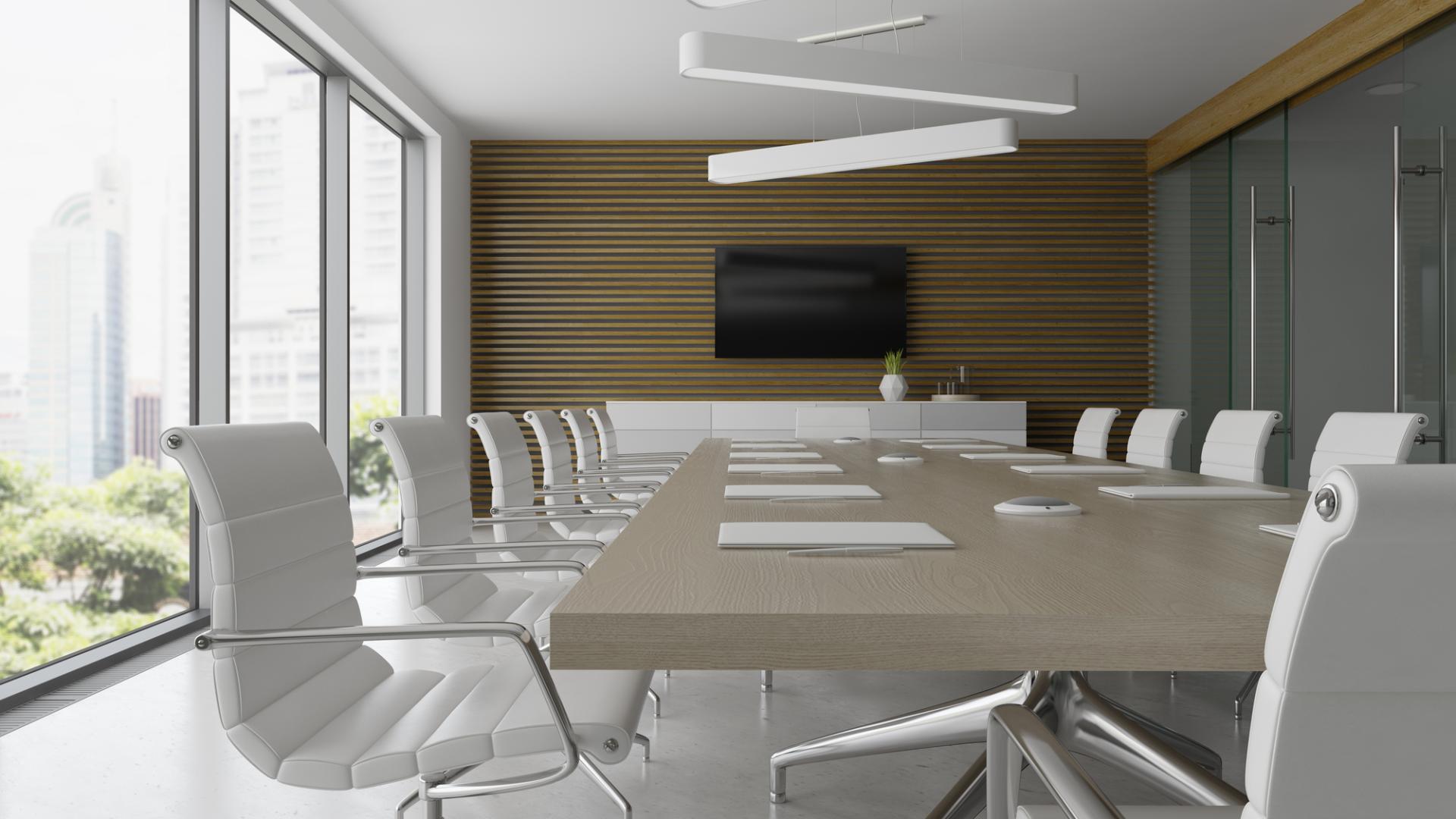
Boardrooms are designed for smaller, more intimate meetings, usually accommodating 10 to 20 participants. These rooms often feature a large central table surrounded by comfortable chairs, allowing for direct communication among attendees. Key features include:
- Audio-Visual Equipment: Many boardrooms are equipped with state-of-the-art AV technology, including projectors, screens, and video conferencing capabilities, enabling effective presentations and discussions.
- Privacy: Boardrooms provide a quiet environment, often isolated from the hustle and bustle of larger events, making them ideal for confidential meetings or strategic planning sessions.
- Flexible Layout: While typically set up with a central table, the layout can often be adjusted to suit the needs of the meeting, whether it requires a U-shape, theater, or classroom style.
Conference Halls
Conference halls are larger spaces designed to accommodate substantial groups, ranging from 50 to several hundred attendees. These venues are suitable for conferences, seminars, or corporate training sessions. Notable features include:
- Spacious Layout: Conference halls typically offer ample space for attendees to move around, network, and set up exhibitor booths or displays.
- Advanced Technology: Equipped with high-quality sound systems, projection screens, and sometimes even live streaming capabilities, these halls are designed for seamless presentations.
- Breakout Capacity: Many conference halls can be divided into smaller sections using movable partitions, allowing for concurrent sessions or smaller group discussions.
Breakout Rooms
Breakout rooms are smaller meeting spaces designed for group activities or discussions during larger events. They generally accommodate around 5 to 30 participants and are essential for interactive sessions. Key aspects include:
- Interactive Setup: Breakout rooms often feature flexible seating arrangements that encourage collaboration, such as circles or clusters of chairs.
- Focused Environment: These rooms provide a more intimate setting away from the main conference area, making them ideal for brainstorming sessions or workshops.
- Varied Amenities: Depending on the hotel, breakout rooms may include whiteboards, flip charts, or even smart boards to facilitate creativity and engagement among participants.
Amenities and Services Offered
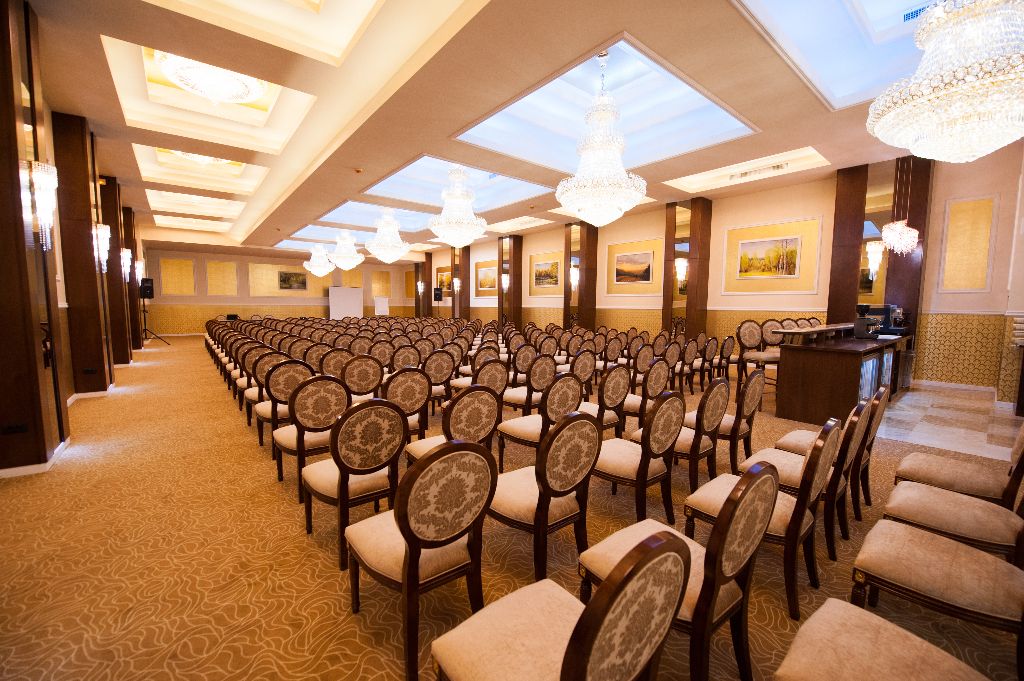
When planning a successful meeting, the right amenities and services can make all the difference. Hotel meeting rooms are designed to provide a seamless and productive environment, equipped with various features and support services. These offerings not only enhance the functionality of the space but also contribute significantly to the overall experience for attendees.One of the key aspects of hotel meeting rooms is the array of standard amenities that come with them.
These amenities are essential for creating a conducive atmosphere for meetings, conferences, and events. Commonly provided amenities include comfortable seating arrangements, audiovisual equipment, and adequate lighting.
Standard Amenities in Hotel Meeting Rooms
The inclusion of standard amenities greatly enhances the functionality of hotel meeting rooms. Here are some typical offerings:
- Comfortable chairs and tables suitable for various meeting styles, from boardroom to theater setups.
- High-quality audiovisual systems, including projectors, screens, and sound systems, to facilitate presentations.
- Whiteboards and flip charts for brainstorming sessions and note-taking.
- Climate control systems to maintain a comfortable temperature throughout the meeting.
- Dedicated phone lines and charging stations for laptops and mobile devices.
In addition to these standard amenities, many hotels offer additional services that can further enhance the meeting experience.
Additional Services Such as Catering and Tech Support
Catering and technical support services can be crucial in ensuring that the meeting runs smoothly and keeps attendees engaged. Many hotels provide options for catering, allowing organizers to select from a variety of meal plans. This not only keeps participants energized but also fosters networking opportunities during breaks. Some additional services that may be available include:
- On-site catering with customizable menus for breakfast, lunch, and snacks.
- Technical support staff available to assist with any audiovisual equipment needs.
- High-speed Wi-Fi access to ensure connectivity for all attendees.
- Breakout rooms for smaller group discussions or workshops.
- Event planning assistance to coordinate logistics and meet specific needs.
These amenities and services contribute significantly to the overall meeting experience by ensuring that all technical and logistical needs are met.
“A well-equipped meeting room can turn a simple gathering into an impactful event.”
By offering comprehensive amenities and additional services, hotel meeting rooms create an environment that fosters productivity, collaboration, and engagement among attendees. This approach not only enhances the effectiveness of the meeting but also leaves a lasting impression on participants.
Choosing the Right Space
Selecting the appropriate hotel meeting room is crucial for the success of any event. The right space can enhance participation, engagement, and productivity, while the wrong choice can lead to discomfort and distraction. Therefore, understanding the key factors influencing this decision is essential.When considering a hotel meeting room, several factors should be taken into account. These elements help ensure that the meeting space aligns with the group’s size, purpose, and overall requirements, facilitating a smoother experience for all attendees.
Factors to Consider for Space Selection, Hotel meeting rooms
Evaluating the following factors can help determine the suitability of the meeting room:
- Group Size: Assess the number of participants to choose a room that provides adequate space without feeling overcrowded.
- Meeting Purpose: Different types of meetings may necessitate specific room configurations, such as theater, classroom, or boardroom setups.
- A/V Equipment: Ensure the meeting room is equipped with necessary audiovisual equipment that meets your presentation needs.
- Wi-Fi Access: Reliable internet connectivity is essential for most meetings today, facilitating communication and access to information.
- Ambience: Consider the room’s lighting, decor, and acoustics, which can influence the overall atmosphere and comfort level.
Accessibility and Location Importance
Location plays a significant role in attendee participation and convenience. A central location that is easily accessible by public transport or offers ample parking can significantly impact attendance rates. Consider the following aspects when evaluating location and accessibility:
- Proximity to Transportation: Select a hotel near major airports, train stations, or public transit routes to make travel easy for attendees.
- Accessibility Features: Ensure the venue meets ADA standards, providing necessary accommodations for individuals with disabilities.
- Surrounding Amenities: A location near restaurants, hotels, and entertainment options can enhance the overall experience for attendees.
- Safety and Security: Prioritize locations that provide a safe environment for all participants, including security measures at the hotel and surrounding area.
Choosing the right space is not just about the physical room; it’s about creating an environment that fosters collaboration and engagement.
Planning a Successful Meeting
Planning a successful meeting in a hotel setting requires careful consideration and organization. From the agenda to the seating arrangements, every detail contributes to the overall effectiveness of the meeting. This segment will Artikel essential steps to ensure that your meeting meets its objectives and engages participants effectively.
Organizing the Agenda
A well-structured agenda is key to steering the meeting toward its goals. It serves as a roadmap for discussions and helps keep participants focused. Start by establishing clear objectives for the meeting. Once the goals are defined, Artikel topics to be covered, assign durations for each segment, and identify speakers or facilitators.
- Define the meeting objectives clearly to align participants’ expectations.
- List the topics in a logical order, ensuring a smooth flow of discussion.
- Allocate timeframes for each item to keep the meeting on track.
- Designate individuals responsible for leading each discussion point.
Seating Arrangements for Engagement
The physical layout of the meeting room can significantly influence participation and interaction. Consider the type of meeting when selecting seating arrangements. For collaborative sessions, a circular or U-shaped arrangement can foster open dialogue, while traditional rows may suit presentations.
- Use a round table setup for discussions that require equal input from all participants.
- Implement theater-style seating for larger presentations to maximize visibility.
- Choose a classroom layout for workshops where note-taking or materials are needed.
Meeting Technological Needs
To ensure a seamless experience, addressing technological requirements before the meeting is crucial. This includes audiovisual equipment, internet access, and any specific software tools necessary for effective communication. A proactive approach minimizes disruptions and enhances productivity.
- Confirm the availability and functionality of projectors, microphones, and speakers in advance.
- Test Wi-Fi connectivity to ensure all participants can access necessary online resources.
- Have technical support on standby for troubleshooting during the meeting.
- Ensure that all presentation materials are compatible with the hotel’s systems.
“Preparation is the key to success.”
Cost Considerations

Renting hotel meeting rooms involves several critical cost factors that can significantly impact your overall budget. Understanding the various pricing structures and potential hidden costs is essential for effective financial planning when organizing an event. This section will delve into the different pricing models, shed light on additional fees that may arise, and offer budgeting tips to ensure you get the most value for your expenditure.
Pricing Structures for Renting Hotel Meeting Rooms
Hotel meeting rooms typically offer a range of pricing models to accommodate different budgets and event requirements. The following Artikels common pricing structures:
- Hourly Rates: Many hotels allow you to rent meeting rooms on an hourly basis. This is ideal for short meetings or workshops, but costs can add up if the meeting extends beyond the anticipated time.
- Daily Rates: For full-day events, hotels may provide a daily rental rate, which usually includes access to the room for eight hours. This option is best for conferences or training sessions that require more time.
- Package Deals: Hotels often bundle meeting room rentals with catering, audiovisual equipment, and other services. These packages can offer significant savings compared to booking each service separately.
- Seasonal Pricing: Prices can vary based on the season or even the day of the week. Booking during off-peak times can lead to substantial discounts, making it a smart choice for budget-conscious planners.
Hidden Costs Associated with Booking
While the advertised rates for meeting rooms may seem straightforward, it’s important to be aware of potential hidden costs that can inflate your budget. Here are some common additional fees to consider:
- Setup and Breakdown Fees: Some hotels charge extra for setting up the meeting space or breaking it down afterward. Always clarify whether these costs are included in the rental agreement.
- Technology Fees: Using audiovisual equipment, Wi-Fi, or teleconferencing services may incur additional charges. Ensure you understand what tech is included and what will cost extra.
- Catering Costs: If you plan to provide food or beverages, verify the menu options and pricing beforehand, as these can vary widely and impact your overall budget.
- Parking Fees: If your attendees will be driving to the venue, consider the parking costs. Some hotels charge for parking, while others may offer complimentary options.
Budgeting for Additional Services and Amenities
To avoid surprises in your meeting budget, careful planning is essential. Here are some practical tips for budgeting additional services and amenities:
- Get Detailed Quotes: Request itemized quotes from the hotel that break down all costs associated with the meeting room rental, including any additional services you might need.
- Prioritize Key Services: Identify which amenities are essential for your meeting and focus your budget on those items. This can help you allocate resources effectively without overspending.
- Negotiate: Don’t hesitate to negotiate pricing or ask about discounts for booking multiple services. Many hotels are willing to adjust their rates to secure your business.
- Plan for Contingencies: Set aside a portion of your budget for unexpected costs or last-minute changes. This can provide a financial buffer and reduce stress as the event date approaches.
“Understanding all potential costs upfront can greatly enhance your ability to host a successful and stress-free meeting.”
Trends in Hotel Meeting Rooms
The landscape of hotel meeting rooms is continually evolving, driven by a blend of innovation, technology, and changing client expectations. As businesses seek dynamic environments to host their gatherings, hotels are adapting their meeting spaces to enhance productivity, creativity, and collaboration. Understanding the latest trends can help organizations choose the ideal venue for their needs.One of the most significant shifts in hotel meeting rooms is the integration of advanced technology.
Modern meeting spaces now feature cutting-edge audio-visual equipment, high-speed internet access, and smart room controls that enhance the overall experience. These technological advancements not only facilitate smooth presentations but also create more interactive environments, encouraging engagement among participants.
Innovative Design and Functionality
The design and functionality of hotel meeting rooms have seen a transformation with the aim of promoting flexibility and creativity. Hotels are reimagining traditional layouts to incorporate multi-purpose spaces that can be adapted for various types of events. Examples of innovative setups include:
- Modular Furniture: Utilizing movable walls and furniture allows spaces to be reconfigured for different group sizes and activities, from workshops to large conferences.
- Collaborative Areas: Incorporating lounge areas with comfortable seating and informal meeting zones encourages casual brainstorming sessions and networking opportunities among attendees.
- Natural Elements: Many hotels are integrating biophilic design principles, incorporating plants, natural light, and outdoor spaces, which help reduce stress and improve participant well-being.
- Creative Technology Integration: Interactive whiteboards, virtual reality displays, and wireless presentation systems are becoming standard, promoting engagement and collaboration during meetings.
The impact of technology on the evolution of meeting rooms cannot be overstated. Hotels are not just enhancing existing tools; they are also embracing new solutions like virtual and hybrid meeting capabilities, allowing virtual participants to join seamlessly from anywhere in the world. This flexibility is particularly appealing in a post-pandemic world where remote work has become more prevalent.
“The future of hotel meeting rooms lies in creating environments that foster collaboration and innovation through thoughtful design and strategic use of technology.”
As the industry continues to adapt, hotels are increasingly investing in sustainable practices, ensuring that their meeting spaces are not only functional but also environmentally responsible. This includes using energy-efficient lighting, sustainable materials, and waste-reduction strategies during events.Overall, the trends in hotel meeting rooms reflect a broader shift towards creating versatile, tech-savvy spaces that cater to the evolving needs of businesses and their attendees.
Case Studies and Success Stories: Hotel Meeting Rooms
In the realm of professional gatherings, hotel meeting rooms have emerged as pivotal venues for successful events. Their ability to offer tailored services, convenient locations, and modern amenities makes them the go-to choice for many organizations. This section explores notable case studies that highlight the effectiveness of hotel meeting facilities in driving successful outcomes for various events.
Successful Corporate Retreat at The Grand Hotel
One noteworthy example is the annual corporate retreat held at The Grand Hotel, which facilitated a three-day strategy session for a major tech company. The hotel provided not only spacious meeting rooms with state-of-the-art audio-visual equipment but also breakout spaces for team activities. The hotel’s dedicated event coordinator worked closely with the organizers to ensure seamless transitions between sessions.Feedback from the event participants highlighted the efficient layout of the meeting spaces, which fostered collaboration and engagement.
“The flexibility of the rooms and the attentive staff made for an unforgettable experience,” remarked one participant. The organizers noted a significant increase in team morale and alignment on company goals as a direct result of the retreat.
Product Launch Event at The Royal Suites
Another exemplary case is the product launch event hosted by a renowned fashion brand at The Royal Suites. This hotel offered an elegant ballroom designed to create an immersive experience for attendees. With curated décor and a runway setup, the hotel played a crucial role in the event’s aesthetic appeal.During the event, participants appreciated the seamless integration of catering services that complemented the brand’s image.
Organizers received enthusiastic feedback about the ambiance and efficiency of the hotel staff, which contributed to the overall success of the product launch. One attendee commented, “The venue not only showcased the brand but also set the perfect tone for the evening.”
Non-Profit Conference at Lakeside Convention Center
The Lakeside Convention Center has hosted numerous non-profit conferences, one of which brought together leaders from various charities to discuss fundraising strategies. The hotel’s commitment to sustainability and community support was a focal point of the event, resonating deeply with attendees.The center provided breakout rooms equipped with whiteboards and collaboration tools, which were essential for interactive workshops. Attendees expressed appreciation for the supportive environment that encouraged networking and sharing of best practices.
Feedback highlighted the conference’s impact on fostering new partnerships and innovative ideas among participants.
Annual Medical Symposium at The Health Inn
The Health Inn successfully hosted an annual medical symposium that attracted healthcare professionals from across the country. The hotel offered specialized amenities, including on-site medical equipment for demonstrations and access to health-focused catering options. Participants lauded the hotel’s attention to detail, from the layout of the meeting spaces designed to promote discussion, to the quick responses from the staff. The symposium organizers noted that the venue’s accessibility and comfort were crucial in attracting a larger audience this year compared to previous events.
One organizer stated, “The Health Inn exceeded our expectations, contributing significantly to the success of our symposium.”
Environmental Considerations
The role of sustainability in hotel meeting room design has become increasingly significant as businesses and consumers alike prioritize eco-friendly practices. Not only does sustainable design contribute to the well-being of the planet, but it also enhances the overall experience for meeting attendees, leaving a positive impression that aligns with modern corporate values.Sustainable practices in hotel meeting rooms can take various forms, from using energy-efficient lighting and HVAC systems to sourcing furniture made from recycled materials.
These choices not only reduce the environmental footprint of a meeting but also resonate with attendees who are more conscious of sustainability. Implementing green practices can also lead to cost savings in operations, making it a win-win situation for hotels and their clients.
Examples of Hotels Implementing Green Practices
Numerous hotels worldwide are integrating sustainability into their meeting services, creating spaces that are both functional and environmentally friendly. Some key examples include:
- The Hilton Hotel chain: They have committed to a global sustainability strategy that includes a focus on reducing carbon emissions and waste. Their meeting rooms feature energy-efficient technologies and offer options for digital materials instead of paper, promoting a paperless environment.
- Marriott International: Their “Serve 360” initiative emphasizes sustainability in their operations, and many locations offer meeting spaces equipped with recyclable materials, local sourcing for catering, and energy-efficient lighting to minimize environmental impact.
- InterContinental Hotels Group (IHG): IHG promotes eco-friendly practices through their Green Engage system, which helps hotels monitor and reduce their energy and water consumption. Many of their meeting rooms use sustainable materials and have strategies for waste reduction.
The importance of eco-friendly choices cannot be overstated in today’s business landscape. Companies are increasingly seeking to align their operations with social responsibility, and selecting sustainable venues for meetings demonstrates a commitment to environmental stewardship. Utilizing venues that prioritize sustainability not only reflects positively on the company’s brand but also enhances employee engagement and client satisfaction, making it a strategic choice for modern enterprises.
Additionally, these practices can lead to potential cost savings, as reducing waste and energy consumption often translates to lower operational costs, positioning hotels to meet the demands of environmentally conscious businesses.
Future of Hotel Meeting Rooms
As we look ahead, the landscape of hotel meeting rooms is set to undergo significant transformations influenced by technological advancements, changing work habits, and evolving guest expectations. The next decade is expected to bring innovative solutions that enhance the meeting experience, making it more interactive, efficient, and aligned with modern business needs.The impact of remote work trends on hotel meeting room usage is profound.
Companies are increasingly adopting hybrid work models, which blend remote and in-person collaboration. This shift requires hotels to adapt their meeting room offerings to cater to both on-site attendees and remote participants seamlessly. Meeting spaces will likely evolve into versatile environments equipped for technology-enhanced communication and collaboration.
Emerging Technologies Shaping Meeting Experiences
Several emerging technologies are poised to redefine the way meetings take place in hotel environments. These technologies are essential for creating effective and engaging meeting experiences. Key advancements include:
- Virtual Reality (VR) and Augmented Reality (AR): These technologies can create immersive meeting experiences, allowing participants to engage with content in ways that were previously unimaginable. For example, VR can be used for product demos or virtual tours, while AR can overlay digital information onto physical spaces.
- Artificial Intelligence (AI): AI can streamline the planning process by automating scheduling, personalizing guest experiences, and providing real-time data analytics. For instance, AI-driven tools can analyze attendee preferences and suggest optimal meeting formats and layouts.
- High-Speed Connectivity: As remote work continues to thrive, the demand for high-speed internet and reliable connectivity in meeting rooms will only grow. Hotels must ensure robust Wi-Fi infrastructures to facilitate smooth virtual participation.
- Smart Meeting Room Technologies: Integrating smart technologies such as automated lighting, temperature control, and voice-activated tools will enhance comfort and accessibility, allowing users to focus on the meeting rather than technical difficulties.
“The future of meeting spaces lies in creating versatile environments that seamlessly blend physical and virtual interactions.”
These technological advancements not only improve the functionality of hotel meeting rooms but also meet the expectations of a tech-savvy workforce, creating a more engaging and productive atmosphere for collaboration. The future of hotel meeting rooms will be characterized by adaptability, efficiency, and enhanced experiences that cater to the needs of modern businesses and their employees.
FAQ Overview
What types of meetings are best suited for hotel meeting rooms?
Hotel meeting rooms are ideal for conferences, workshops, corporate retreats, and client meetings, providing professional environments for various group sizes.
How do I choose the right hotel meeting room?
Consider group size, meeting purpose, location, accessibility, and available amenities to select a suitable hotel meeting room.
Are catering services typically available for hotel meetings?
Yes, most hotels offer catering services, including coffee breaks, lunch, and dinner options tailored to your group’s needs.
What technological support is usually provided in hotel meeting rooms?
Hotels often provide audiovisual equipment, high-speed Wi-Fi, and technical support to ensure smooth presentations and meetings.
Can I customize the layout of a hotel meeting room?
Yes, many hotels allow you to customize the room layout to fit your meeting’s requirements, whether it’s a theater, classroom, or U-shape arrangement.
