Hotel deals comparison takes center stage as savvy travelers seek the best rates for their accommodations. With an array of options available, from seasonal discounts to loyalty programs, knowing how to navigate the landscape of hotel pricing is essential. This exploration not only highlights the various types of deals but also provides strategies to ensure you secure the most value for your money.
Understanding hotel deals and the factors that influence pricing can significantly enhance your booking experience. By tapping into comparison methods, seasonal considerations, and loyalty rewards, travelers can make informed choices that align with their budget and preferences.
Understanding Hotel Deals
Finding the right hotel deal can significantly impact your travel budget, allowing you to save money or allocate funds to enhance your experience. With the growing number of travel websites and apps, navigating hotel deals can be overwhelming. Understanding the types of hotel deals and the factors influencing their prices will empower you to make informed choices that suit your needs.Different types of hotel deals are available to travelers, and recognizing these can help you maximize your savings.
From promotional offers to loyalty programs, each type serves a unique purpose and may cater to different preferences. Additionally, understanding the factors that influence hotel prices will enable you to identify the best times and methods to secure a deal.
Types of Hotel Deals
Hotel deals can vary widely, and it’s essential to know the options available:
- Promotional Offers: These are limited-time discounts often provided directly by hotels or through booking platforms. They may include seasonal sales or special event promotions.
- Last-Minute Deals: Many hotels offer steep discounts for unbooked rooms as the check-in date approaches. This is a great option for spontaneous travelers.
- Loyalty Programs: Frequent travelers can benefit from signing up for hotel loyalty programs, which often provide exclusive discounts, free upgrades, or bonus points towards free nights.
- Package Deals: Combining hotel stays with other services like flights or activities can yield substantial savings. Travel agencies and online platforms commonly offer these bundled deals.
- Corporate and Group Rates: For business travelers or large groups, hotels may offer special rates that significantly lower the cost per person.
Factors Influencing Hotel Prices and Deals
Several factors play a role in determining hotel prices, and understanding these can help you strategically plan your bookings:
- Location: Hotels in popular tourist areas typically charge higher rates due to demand. Conversely, accommodations further from attractions may offer lower prices.
- Seasonality: Hotel prices fluctuate with seasons; peak travel times often see inflated rates, while off-peak periods lead to substantial discounts.
- Events and Holidays: Local events, conferences, or holidays can dramatically increase demand, resulting in higher prices for nearby hotels.
- Length of Stay: Many hotels offer discounts for extended stays, encouraging customers to book for multiple nights.
- Hotel Classification: The star rating and amenities offered by a hotel can significantly influence pricing. Luxury hotels typically command higher rates than budget options.
Understanding these factors allows travelers to make educated decisions and snag the best deals available.
Methods for Comparing Hotel Deals
When it comes to finding the best hotel deals, utilizing effective comparison techniques can save you both time and money. With a plethora of options available, understanding how to sift through them can make all the difference in your travel experience. This guide will walk you through the essential steps and resources needed to compare hotel deals effectively.To begin comparing hotel deals, it is important to have a structured approach.
Start by establishing your travel dates and preferred location, then gather a list of potential hotels that meet your criteria. Utilize various online platforms to broaden your search and make comparisons more manageable. By following these steps, you will be able to identify the best deal that suits your needs.
Steps to Effectively Compare Hotel Deals
The process of comparing hotel deals involves several key steps to ensure that you are making informed decisions. Here’s how to streamline your efforts:
- Determine your budget and travel preferences.
- Make a list of your must-have amenities (e.g., free Wi-Fi, breakfast).
- Use multiple websites and apps to gather a wide range of options.
- Create a spreadsheet to track your findings, including prices and features.
- Read reviews from other travelers to gauge the quality of each hotel.
Websites and Apps for Hotel Deal Comparisons
There are numerous tools available to facilitate hotel deal comparisons, allowing you to find the best rates and reviews. Here’s a list of popular websites and apps to consider:
Booking.com
Offers extensive listings and user reviews.
Kayak
Compares rates from various booking sites and provides flexible search options.
Trivago
Specializes in price comparisons across multiple platforms.
Hotels.com
Features a rewards program for frequent travelers.
Expedia
Bundles hotel deals with flights and car rentals for added savings.
TripAdvisor
Offers community reviews and price comparisons.
Features to Consider When Comparing Hotel Deals, Hotel deals comparison
When comparing hotel deals, certain features will significantly impact your decision. It’s vital to consider these aspects to find the best option for your stay. Below is a table highlighting the key features to evaluate:
| Feature | Description |
|---|---|
| Price | Overall cost per night, including taxes and fees. |
| Amenities | Facilities such as Wi-Fi, pool, gym, and breakfast options. |
| Location | Proximity to key attractions, public transport, and safety of the area. |
| Cancellation Policy | Flexibility in changing or canceling the booking without penalties. |
| Customer Reviews | Feedback from previous guests regarding their experience. |
By focusing on these key features, travelers can make more informed decisions and secure the best possible hotel deals.
Timing and Seasonal Considerations
Booking a hotel at the right time can significantly affect the overall cost and experience of your stay. Understanding the timing of your booking, as well as seasonal trends, can lead to substantial savings and better availability. From off-peak travel periods to major holidays, knowing when to book can be a game-changer in securing the best hotel deals.Different times of the year can see fluctuations in hotel prices and availability, driven by seasonality and local events.
Travelers can find great savings by planning their trips around these patterns. Typically, the off-peak season, when demand is lower, offers the best rates. However, for specific regions, there may also be unique seasonal trends to consider.
Best Times to Book Hotel Deals
Knowing the most advantageous times to book hotel deals is crucial for budget-conscious travelers. Generally speaking, the following periods tend to yield better prices and availability:
- Off-Peak Months: Traveling during months when fewer tourists visit a destination can lead to significant savings. For instance, late fall and winter (excluding holidays) often see lower rates.
- Last-Minute Deals: Hotels often offer discounts for last-minute bookings to fill vacancies. This approach requires flexibility and a willingness to take risks on availability.
- Advance Booking: Some hotels offer discounts for bookings made well in advance, typically three to six months before the stay. This can be particularly beneficial for popular tourist destinations.
Seasonal Trends in Pricing
Understanding seasonal trends in hotel pricing can provide insights into when to visit certain destinations. Hotels often adjust their rates based on demand, influenced by weather, holidays, and local events. Here is how these trends typically play out:
- Summer High Season: Popular beach destinations and resorts may see higher prices and lower availability from June to August. Early spring is often an ideal time to book for these locations.
- Winter Holiday Rush: Prices can spike during major holidays such as Christmas and New Year’s, especially in urban areas. Booking well in advance is critical during these peak times.
- Spring and Fall Shoulder Seasons: Many destinations offer mild weather and fewer crowds during spring and fall, making these times ideal for finding deals.
Impact of Events and Holidays on Pricing
Local events, conventions, and holidays can dramatically affect hotel pricing. Significant events can lead to a spike in demand, driving up rates. Understanding this impact can help travelers plan accordingly.
- Major Events: Cities hosting large events, such as festivals, concerts, or sporting events, will see increased hotel prices as demand surges. For example, hotel rates in cities hosting the Super Bowl can double or triple.
- Local Holidays: Particular local holidays may attract visitors, resulting in higher prices. For instance, rates in New Orleans during Mardi Gras can rise significantly due to high demand.
- Book Early for Events: For travelers planning to attend such events, booking early is often essential to secure reasonable rates.
“Timing is everything, especially when it comes to hotel deals. Understanding seasonal trends and local events can save you money and enhance your travel experience.”
Utilizing Loyalty Programs and Discounts

Hotel loyalty programs offer travelers an excellent way to save money while enjoying additional perks during their stays. Many hotel chains have designed these programs to reward frequent guests with exclusive benefits, which can lead to substantial savings over time. From free nights to room upgrades, loyalty programs can enhance your travel experience and make it more affordable.Understanding how to effectively use discounts and coupons can further amplify your savings on hotel bookings.
Many travel websites and hotel chains offer seasonal promotions, special deals for members, and coupons that can be applied to your reservations. Being strategic about when and how you book can lead to significant reductions in your travel costs.
Loyalty Programs Overview
Many major hotel chains operate loyalty programs that provide various benefits to their members. Here’s a look at some of these programs and the advantages they offer:
- Marriott Bonvoy: Members can earn points for free nights, access to exclusive member rates, and complimentary room upgrades.
- Hilton Honors: Members receive flexible payment options with points, complimentary Wi-Fi, and access to special member discounts.
- IHG Rewards Club: Offers point redemption for free night stays, travel perks, and exclusive access to member-only rates.
- World of Hyatt: Members enjoy point accumulation for free nights, room upgrades, and access to unique experiences.
- Radisson Rewards: Offers members the ability to earn points on hotel stays for free nights, as well as discounts on food and beverages.
Utilizing these loyalty programs can enhance your travel experience while ensuring you get the best value for your money. To maximize your benefits, consider signing up for multiple programs if you often stay at different hotel chains.Discounts and coupons can also play a crucial role in reducing costs when booking hotels. Here are some practical tips for saving money through discounts:
- Sign up for newsletters from your favorite hotel chains to stay informed about exclusive offers and promotions.
- Utilize travel booking websites that aggregate discounts, allowing you to compare prices from multiple sources.
- Look for seasonal sales, which can provide substantial discounts, particularly during off-peak travel seasons.
- Join travel clubs or use credit cards that offer cashback or points for hotel bookings.
- Use online coupon sites to find promotional codes that can be applied to your bookings for additional savings.
By taking advantage of loyalty programs and discounts, you can greatly reduce your travel expenses while enhancing your overall hotel experience.
Analyzing Hotel Deal Reviews
Reading reviews is a crucial step in evaluating hotel deals, as they provide insights from real guests about their experiences. These reviews can reveal the strengths and weaknesses of a hotel and help you make an informed decision. With countless options available, understanding the sentiment behind the ratings can guide you toward the best choice that meets your needs and preferences.Identifying trustworthy reviews and ratings is essential for ensuring reliability.
Look for patterns in the feedback provided by different guests. Pay attention to the detail in their comments, specifically mentioning aspects such as cleanliness, service quality, and amenities. Genuine reviews often highlight both positive and negative experiences, whereas overly positive or generic reviews may indicate possible bias or inauthenticity.
Trustworthy Review Indicators
When evaluating hotel reviews, consider the following indicators that can help you determine their reliability:
- Diversity of Reviews: A healthy mix of positive and negative reviews often signals authenticity. Look for a balance in feedback rather than a slew of overly glowing testimonials.
- Verified Stays: Many platforms offer a verification process for reviews, where only guests who have booked through the site can leave feedback. Prioritize these verified reviews for more accurate insights.
- Detail and Specificity: Reviews that provide specific details about the stay, such as room numbers, staff interactions, and particular amenities, tend to be more trustworthy than vague comments.
- Recent Reviews: Check the dates of the reviews. Recent feedback is generally more relevant, reflecting the current state of the hotel.
- Reviewer History: Look at the profile of the reviewer. Regular reviewers with a consistent history across various platforms may provide more reliable insights than one-time reviewers.
Comparison of Review Scores Across Booking Platforms
To illustrate the variability in review scores, the table below compares the average ratings from various popular hotel booking platforms. This information can help you assess where to find the highest-rated accommodations based on customer experiences.
| Booking Platform | Average Review Score (out of 10) |
|---|---|
| Booking.com | 8.5 |
| Expedia | 8.3 |
| Hotels.com | 8.2 |
| Airbnb | 9.0 |
| Trivago | 7.9 |
Using reviews as a guiding tool can significantly enhance your hotel booking experience, ensuring you choose a place that aligns with your expectations and needs.
Tips for Securing the Best Hotel Deal: Hotel Deals Comparison
When it comes to booking a hotel, securing the best deal is a priority for many travelers. Implementing effective strategies can lead to significant savings and a more enjoyable stay. Understanding the nuances of hotel pricing, negotiation tactics, and planning after booking can make all the difference in your travel experience.
Negotiation Strategies for Better Hotel Rates
Negotiating hotel rates can seem intimidating, but it is a valuable skill that can lead to better deals. Many hotels are open to negotiation, especially during off-peak seasons or when occupancy rates are low. Here are some effective strategies:
- Be Flexible with Dates: Adjusting your travel dates can often yield lower rates. If possible, compare prices across multiple days or even weeks.
- Call the Hotel Directly: Speaking with a front desk manager may give you access to unpublished rates or discounts not available online.
- Highlight Loyalty Membership: If you belong to any loyalty programs, mention this during your negotiation. Hotels often reward loyal customers with better rates.
- Ask for Upgrades: When negotiating, inquire about room upgrades. You may receive a better room for the same price or a minimal additional cost.
Avoiding Common Pitfalls When Booking Hotel Deals
While seeking the best hotel deal, it is essential to navigate potential pitfalls that could lead to dissatisfaction or unexpected expenses. Being aware of these common mistakes can enhance your booking experience.
- Ignoring Hidden Fees: Always read the fine print regarding additional charges such as resort fees, parking, or Wi-Fi costs, which can significantly increase your total expense.
- Booking Non-Refundable Rates: While they may seem cheaper, non-refundable rates can be risky if your plans change.
- Overlooking Cancellation Policies: Ensure you understand the cancellation policies to avoid penalties if you need to change your plans.
- Not Comparing Multiple Sources: Relying on just one booking site can lead to missing out on better deals. Always compare different platforms and the hotel’s own website.
Steps to Ensure the Best Experience After Booking
After securing your hotel deal, taking a few proactive steps can contribute to an overall positive experience during your stay. Here are essential actions to consider post-booking:
- Confirm Your Reservation: A few days before your stay, call the hotel to confirm your booking details and any specific requests you may have made.
- Check for Room Preferences: If you have preferences such as a higher floor or a quieter room, communicate this with the hotel in advance of your arrival.
- Stay Informed on Local Events: Research any events or attractions happening during your stay that may enhance your experience or impact your travel plans.
- Review Feedback: Look at recent reviews about the hotel to gather insights on any potential issues or highlights you should be aware of.
Case Studies of Successful Hotel Deal Comparisons
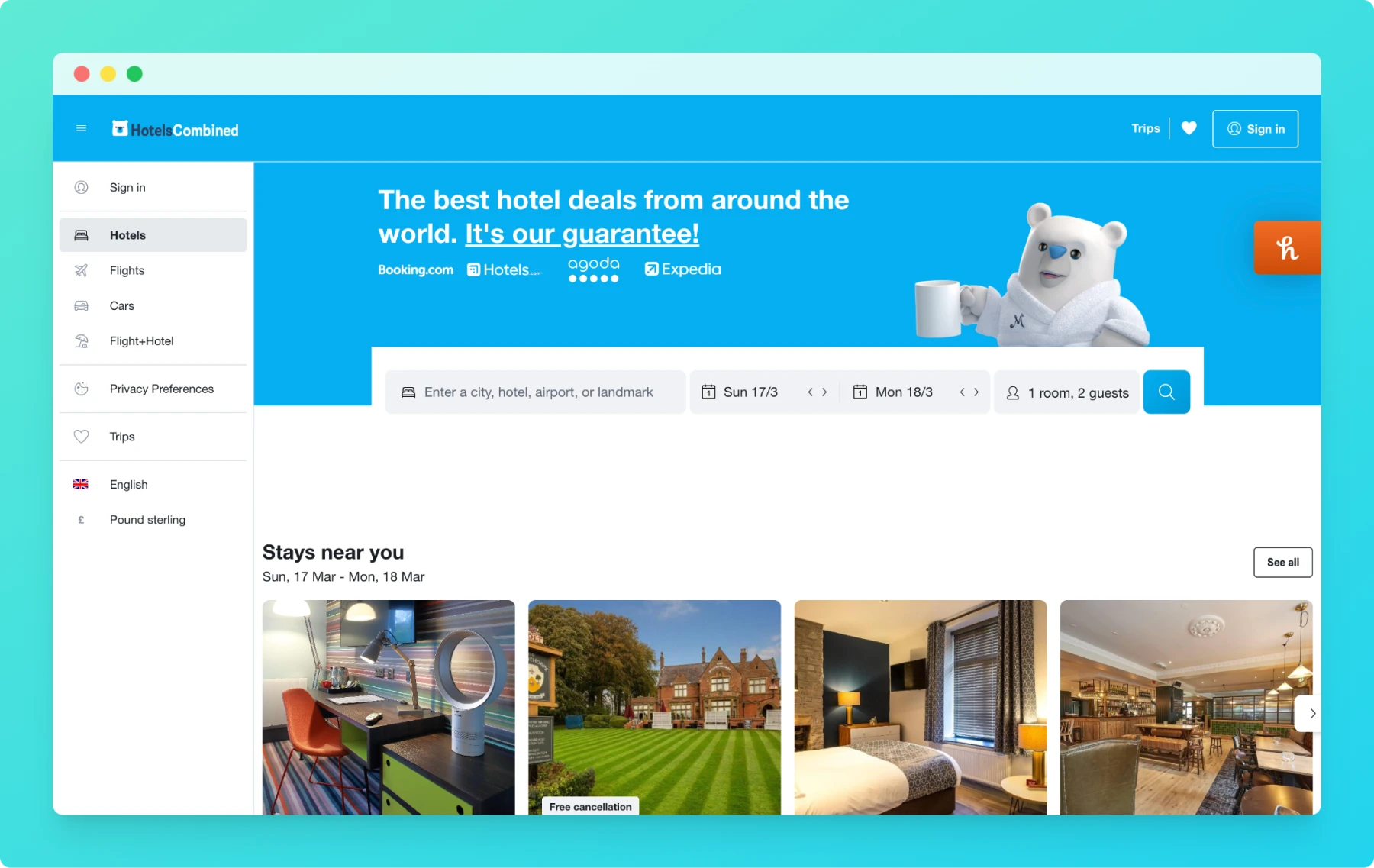
Travelers are often faced with the challenge of finding the best hotel deals that fit their budget and preferences. This section shares real-life examples of individuals who successfully navigated the hotel comparison landscape, highlighting valuable lessons learned during their journeys. Their experiences serve as a guide for others looking to secure fantastic stays without breaking the bank.
Examples of Successful Hotel Deal Comparisons
Here are some noteworthy case studies illustrating how travelers achieved great savings through diligent hotel deal comparisons. Each story showcases different strategies and outcomes that can inspire others.
“After comparing over 15 hotel booking sites, I found a hidden gem that offered a 40% discount for a weekend getaway! It pays to research.”
Sarah T.
“By using a combination of loyalty points and seasonal discounts, I managed to book a luxury suite for half the price. Always check your memberships!”
John D.
“Reading detailed reviews on various deal comparison platforms helped me avoid a hotel that, while cheap, had terrible service. Quality matters!”
Emily R.
One of the most compelling stories comes from a couple, Mark and Anna, who booked a trip to Bali. They initially planned to stay at a well-known resort, but after thorough research and price comparisons, they discovered a boutique hotel offering a similar experience for a fraction of the cost. By checking multiple sites and being flexible with their travel dates, they saved over $200.
Their experience taught them the importance of being open-minded and exploring less conventional options.Additionally, a family of four traveling to Orlando was able to find a resort that offered family packages, including free breakfast and access to theme parks. By comparing deals across specialized family travel sites, they not only saved money but also enhanced their vacation experience with added perks.
This case highlights the benefit of looking beyond standard hotel booking platforms to find tailored offers that meet specific needs.The key takeaway from these case studies is the importance of persistence and thoroughness in hotel deal comparisons. From using loyalty programs effectively to leveraging reviews and seasonal promotions, these travelers exemplify how strategic planning can lead to significant savings and memorable experiences.
Future Trends in Hotel Deal Comparisons

The landscape of hotel deal comparisons is rapidly evolving, driven by technological advancements and changing consumer behaviors. As we look to the future, it’s essential to understand how these factors will shape the way travelers search for and secure hotel deals. Innovations in technology, such as artificial intelligence and machine learning, are set to enhance the efficiency and effectiveness of hotel deal comparisons, making it easier for consumers to find the best options available.
Additionally, a shift in consumer expectations and preferences will play a significant role in determining the types of deals that attract modern travelers.
Emerging Technologies Impacting Hotel Deal Comparisons
As technology continues to develop, several key innovations are transforming the hotel deal comparison landscape. These technologies are not only making the process more user-friendly but also allowing for more personalized experiences. Here are some notable trends to consider:
- Artificial Intelligence and Machine Learning: AI algorithms are increasingly used to analyze consumer behavior and preferences, providing tailored recommendations for hotel deals. This technology can predict what deals might appeal to individual users based on their past bookings and browsing habits.
- Mobile Applications: The rise of mobile booking apps is making it easier for consumers to compare hotel deals on-the-go. These apps often feature user-friendly interfaces, instant notifications on price drops, and exclusive deals, enhancing user engagement.
- Virtual Reality (VR) and Augmented Reality (AR): VR and AR technologies allow potential guests to explore hotels virtually before making a booking. This immersive experience can drive consumer confidence and streamline decision-making when comparing options.
- Chatbots and Customer Service Automation: Chatbots are becoming a common feature on hotel booking websites, providing instant assistance and answering queries about deals. This enhances user experience and ensures consumers are well-informed when comparing prices.
Changing Consumer Behavior in Hotel Bookings
The way consumers approach hotel bookings is evolving, influenced by a variety of factors that reflect their needs and expectations. Understanding these shifts is crucial for predicting future hotel deal trends. Firstly, travelers are increasingly valuing experiences over traditional amenities. This means that consumers are looking for hotels that offer unique experiences or local authenticity rather than just competitive prices.
Moreover, the emphasis on sustainability is shaping consumer choices. Many travelers now prioritize eco-friendly accommodations and look for hotels that align with their values, which can impact their decision-making process when comparing deals. Additionally, the importance of transparency in pricing has surged; consumers want to see all costs upfront without hidden fees, prompting hotels to be more forthright about their pricing structures.
“Travelers are prioritizing experiences and sustainability, shifting the focus from purely price-driven hotel deals.”
Predictions for the Future of Hotel Deals
Looking ahead, several predictions can be made regarding hotel deals based on current trends. One significant forecast is the rise of dynamic pricing models, where prices fluctuate based on demand, time of booking, and consumer behavior. This would allow hotels to maximize revenue while providing consumers with tailored pricing options.
Another trend is the expected growth of loyalty programs that offer personalized incentives. As hotels look to retain guests in a competitive market, they will likely enhance their loyalty programs, providing customized rewards that cater to individual preferences and booking habits.
Furthermore, with the integration of blockchain technology, transparency in transactions may improve, allowing consumers to verify hotel deals and prices with greater confidence. This could significantly reshape how deals are compared, as consumers demand more security and authenticity in their bookings.
In conclusion, as technology continues to evolve and consumer behavior shifts, hotel deal comparisons will become increasingly sophisticated and tailored. Staying informed about these trends will be vital for travelers seeking the best deals in a rapidly changing marketplace.
Quick FAQs
What is the best time to book a hotel?
The best time to book a hotel is typically during off-peak seasons or when promotional sales are active, often several months in advance.
How can I ensure a good hotel deal?
To ensure a good hotel deal, compare prices across multiple platforms, check for hidden fees, and look for promotions or loyalty discounts.
What are common pitfalls to avoid when booking?
Common pitfalls include not reading cancellation policies, overlooking additional fees, and failing to compare similar properties.
Are loyalty programs worth it?
Yes, loyalty programs can provide significant benefits like discounts, upgrades, and exclusive offers, making them worthwhile for frequent travelers.
How reliable are hotel reviews?
Hotel reviews can be reliable, but it’s important to look for patterns in feedback and consider the overall rating rather than individual comments.
