Hotel conference packages offer an exceptional solution for businesses and organizations looking to host impactful events. These packages typically combine essential services and amenities that streamline the planning process, making them an attractive alternative to standalone venue rentals. By choosing hotel conference packages, you not only simplify logistics but also elevate the overall experience for your attendees.
From inclusive catering options to state-of-the-art audiovisual equipment, hotel conference packages are designed to meet a variety of needs. They provide flexible room setups and various seating arrangements, ensuring that every detail of your conference is meticulously addressed. This overview will guide you through the types, components, and benefits of hotel conference packages, making your event planning both efficient and effective.
Overview of Hotel Conference Packages

Hotel conference packages play a crucial role in the business landscape, providing companies and organizations with tailored solutions for their events. These packages streamline the planning process, allowing for a seamless experience that combines various essential services under one roof. Typically, a hotel conference package includes a combination of venue rental, catering services, audio-visual equipment, and accommodations for attendees. These packages are designed to meet the specific requirements of corporate meetings, workshops, and seminars, ensuring that every detail is covered, from the initial setup to the closing remarks.
Components of a Hotel Conference Package
Understanding the components of a hotel conference package is essential for organizations looking to host successful events. Common inclusions are:
- Venue Space: Dedicated meeting rooms equipped with appropriate seating arrangements and decor tailored to the event’s nature.
- Catering Services: Options for breakfast, lunch, dinner, or coffee breaks, accommodating various dietary needs and preferences.
- Audio-Visual Equipment: Access to essential technology, including projectors, screens, sound systems, and microphones to facilitate presentations.
- Accommodation: Special rates for guest rooms, ensuring convenience for attendees traveling from out of town.
- Event Coordination: Assistance from hotel staff in managing logistics, schedules, and any unexpected needs that may arise.
Advantages of Hotel Conference Packages
Opting for hotel conference packages offers multiple advantages that enhance the overall experience for businesses. These benefits include:
- Cost-Effectiveness: Bundling services often results in lower costs compared to booking each element separately, allowing organizations to maximize their budget.
- Convenience: Having all necessary services in one location simplifies the planning process and minimizes the need for multiple vendor communications.
- Enhanced Experience: Hotels provide professional staff, quality facilities, and amenities that elevate the overall event experience for attendees.
- Accessibility: Hotels are often situated in prime locations, making it easier for participants to attend, particularly if they require overnight accommodations.
“Choosing a hotel conference package not only saves money but also guarantees a higher level of service and convenience, making it a preferred choice for many organizations.”
Types of Hotel Conference Packages
When planning a conference or business meeting, selecting the right hotel conference package is essential. Various options are available, tailored to different needs and budgets, making it easier to find a perfect fit for your event. Understanding the distinct types of packages can streamline the decision-making process, ensuring that you choose the best option for your organization.Hotel conference packages typically fall into three main categories: all-inclusive, day use, and weekend packages.
Each type comes with its own set of features designed to cater to different event durations and requirements. Below is a more detailed breakdown of these packages, along with examples from various hotels.
All-Inclusive Packages
All-inclusive hotel conference packages offer a comprehensive solution for planners, combining meeting space, meals, and accommodations into one price. These packages are ideal for multi-day events where attendees may require overnight stays or extensive catering options. Examples of all-inclusive packages include:
- The Grand Hotel: This package includes a dedicated meeting room, lunch and dinner for all attendees, accommodation for one night, and complimentary access to hotel amenities such as the pool and fitness center.
- City Center Conference Suites: Offers a complete package that features meeting room rental, breakfast, lunch, and coffee breaks, along with two nights of accommodation at a discounted rate.
Day Use Packages
Day use packages are designed for events that occur within a single day. They typically provide meeting space and catering options without the inclusion of overnight accommodations. This is a cost-effective solution for businesses that do not require extended stays.Some notable day use packages include:
- Business Hub Inn: This package includes access to a meeting room equipped with AV technology, morning coffee and pastries, and a buffet lunch for all participants.
- Elegant Conference Resort: Offers a day use package featuring flexible meeting spaces, mid-morning and afternoon coffee breaks, and complimentary parking.
Weekend Packages
Weekend packages are designed for events that take place over the weekend, often catering to retreats, workshops, or longer training sessions. These packages typically include overnight accommodations, meals, and recreational activities.Examples of weekend packages include:
- Mountain View Lodge: This package includes two nights’ accommodation, all meals, and organized outdoor activities such as hiking or team-building exercises.
- Beachfront Conference Resort: Offers a weekend package that includes meeting space, meals, and leisure activities like beach volleyball and yoga sessions.
Comparison of Hotel Conference Packages
To better understand the options available, the following comparison table Artikels key features of different hotel conference packages from various facilities:
| Hotel Name | Package Type | Inclusions | Price Range |
|---|---|---|---|
| The Grand Hotel | All-Inclusive | Meeting room, meals, accommodation | $200 – $350 per person |
| City Center Conference Suites | All-Inclusive | Meeting room, meals, two nights accommodation | $250 – $400 per person |
| Business Hub Inn | Day Use | Meeting room, coffee, lunch | $75 – $150 per person |
| Elegant Conference Resort | Day Use | Meeting room, coffee breaks, parking | $90 – $180 per person |
| Mountain View Lodge | Weekend | Accommodation, meals, outdoor activities | $300 – $500 per person |
| Beachfront Conference Resort | Weekend | Meeting space, meals, leisure activities | $350 – $600 per person |
Choosing the right conference package can significantly enhance the overall experience for attendees while facilitating effective event management.
Components of a Hotel Conference Package
The effectiveness of a conference largely depends on the components that come together to create a seamless experience for attendees. Hotel conference packages are designed to provide everything necessary to facilitate productive meetings, ensuring that both organizers and participants can focus on their objectives without distractions. The essential components typically included in hotel conference packages enhance the overall experience, offering convenience and efficiency.
Among these, meeting rooms, catering services, and audiovisual equipment stand out as crucial elements. Meeting rooms are tailored to accommodate various group sizes and can be set up in different configurations to suit the nature of the event. Catering options provide sustenance throughout the conference, with meals and refreshments that can cater to dietary preferences. Audiovisual equipment is vital for presentations, enabling smooth communication and engagement.
Flexible Room Setups and Seating Arrangements
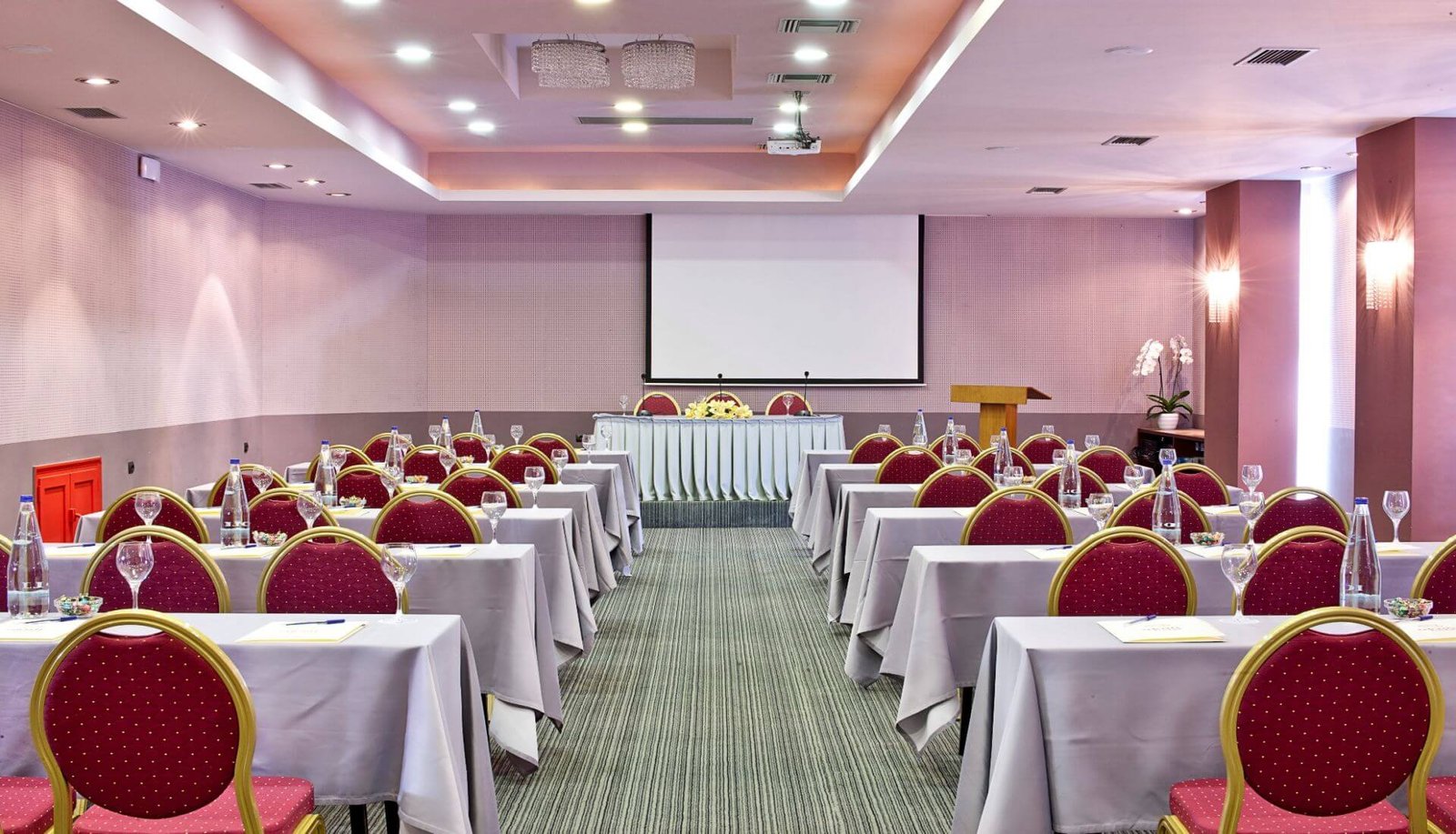
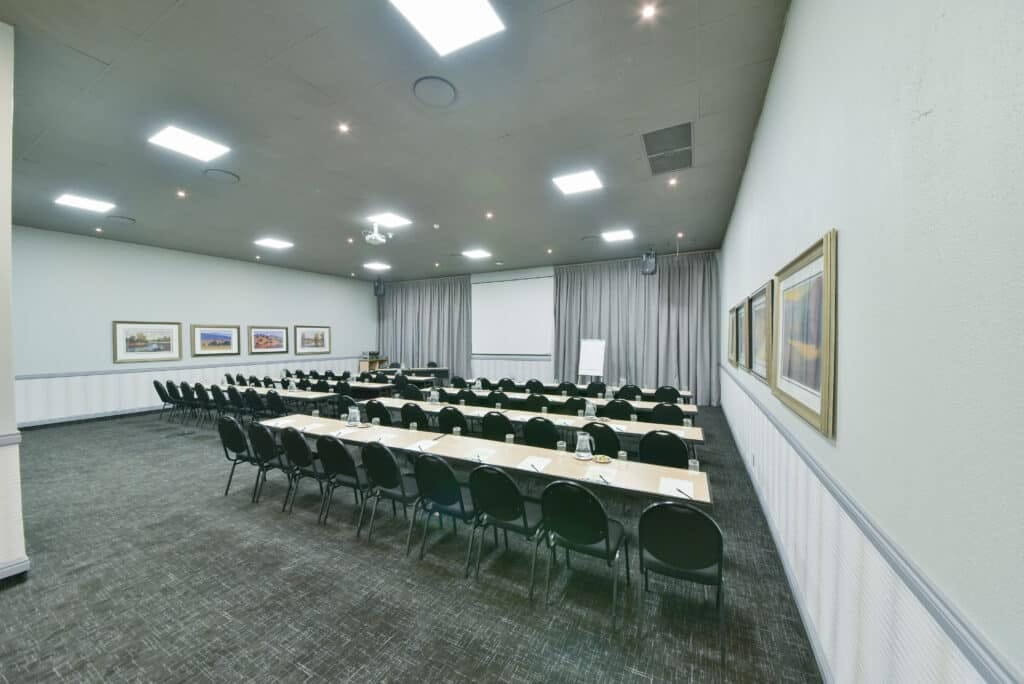
Flexibility in room setups and seating arrangements significantly contributes to the success of any conference. Different sessions may require distinct configurations, such as classroom style for lectures, U-shape for discussions, or theater style for larger audiences. This adaptability ensures that the physical space aligns with the intended purpose of each session.
Classroom Style
Ideal for training sessions, allowing attendees to take notes and engage with materials easily.
Theater Style
Perfect for larger gatherings where presentations are the focus, maximizing seating capacity.
U-Shape
Facilitates discussions, allowing for eye contact among participants and the presenter.
Boardroom Style
Encourages collaborative discussions in smaller groups, ideal for strategy sessions.Understanding the importance of seating arrangements enables organizers to create an environment that promotes interaction and productivity.Additionally, there are optional add-ons that can further enhance the conference experience, catering to specific needs or preferences. These enhancements can make a significant difference in attendee satisfaction and overall outcomes.
- Breakout Rooms: Smaller spaces for interactive workshops or team discussions.
- On-site Technical Support: Assistance for any technical issues that may arise during the event.
- Networking Events: Opportunities for attendees to connect outside the formal sessions.
- Team-Building Activities: Engaging exercises designed to foster collaboration and camaraderie.
- Specialized Catering Options: Custom menus that cater to specific dietary needs.
- Transportation Services: Shuttle services for attendees between venues or from airports.
- Event Planning Assistance: Dedicated staff to help with logistics and planning details.
Each of these add-ons can be tailored to enhance the conference experience, ensuring that every aspect is considered to meet the expectations of attendees.
Factors to Consider When Choosing a Hotel Conference Package
Selecting the right hotel conference package is crucial for ensuring the success of your event. This decision can influence attendee satisfaction, overall logistics, and, ultimately, the effectiveness of the conference itself. By carefully evaluating various factors, you can choose a package that aligns with your organization’s goals while providing an excellent experience for all participants.When assessing hotel conference packages, several key factors come into play.
The location of the hotel sets the tone for accessibility and convenience, while pricing influences your budget. Additionally, the amenities offered within the package, such as catering options and technology support, can greatly enhance the overall experience. Lastly, the capacity of the venue must align with your expected number of attendees to avoid overcrowding or underutilization of space.
Location
The location of the hotel can significantly impact attendance and convenience. Consider the following aspects regarding location:
- Proximity to transport hubs, such as airports and public transit.
- Accessibility for attendees traveling from different regions.
- Nearby attractions or accommodations for out-of-town guests.
- Neighborhood safety and amenities to enhance participants’ experience.
Pricing
Understanding the pricing structure of hotel conference packages is vital for aligning with your budget. Factors to consider include:
- Base price versus additional costs for services like catering, AV equipment, and Wi-Fi.
- Discounts for booking in advance or during off-peak seasons.
- Flexibility in terms of payment schedules or deposit requirements.
- Inclusions that determine overall value, such as room setups and staffing.
Amenities, Hotel conference packages
The amenities included in the conference package can enhance the experience for all attendees. Key amenities to evaluate:
- Availability of modern audiovisual equipment for presentations and workshops.
- Catering options that accommodate dietary restrictions and preferences.
- On-site support staff for logistical assistance during the event.
- Additional facilities, such as breakout rooms and leisure areas, for networking opportunities.
Capacity
Ensuring the venue can comfortably accommodate your attendees is crucial. Considerations include:
- Maximum capacity of meeting rooms and event spaces.
- Flexibility to adjust layouts based on the size and nature of sessions.
- Additional space for registrations, networking, and refreshments.
- Comfort levels related to seating arrangements and moving space.
Questions to Ask Hotel Providers
Engaging with hotel providers can clarify your options and ensure you make an informed choice. Important inquiries include:
- What is the maximum capacity for each meeting room, and are there different layouts available?
- Are there any additional fees for accommodations, catering, or technology?
- What is included in the package regarding support services and amenities?
- Can you provide references or case studies of successful events held at your venue?
Evaluating Value Based on Organizational Needs
To accurately assess the value of different hotel conference packages, align your evaluation with your organization’s specific requirements. Consider the following tips:
- Match amenities and services with the goals of your conference, such as networking opportunities or educational workshops.
- Review past events held at the venue to gauge attendee satisfaction and overall success.
- Analyze the cost per attendee to determine which package offers the best return on investment.
- Seek feedback from previous teams who have utilized the venue for comparative insights.
Planning a Successful Conference with Hotel Packages
Planning a conference can be an intricate task, especially when trying to coordinate various aspects such as venue, catering, and accommodations. Leveraging hotel conference packages can simplify this process significantly. By following a structured approach from the initial research phase to final confirmations, you can ensure a smooth and successful conference.The first step in planning a successful conference using hotel packages is thorough research.
This includes identifying potential hotels that align with the needs of your event. Consider factors such as location, facilities, and the types of packages offered. Once you’ve shortlisted potential venues, reach out to hotel sales representatives to discuss options, availability, and pricing.
Steps for Organizing the Conference
Creating a detailed timeline or checklist is essential for organizing your event efficiently. Below are key steps that should be followed, ideally starting several months in advance of the conference date:
1. Define Conference Objectives
Clarify what you aim to achieve with the conference.
2. Set a Budget
Establish a budget that encompasses venue costs, catering, technology, promotional materials, and accommodation.
3. Select a Venue
Research hotel options and request proposals based on your requirements.
4. Review Package Options
Evaluate different hotel conference packages, taking note of what each includes, such as AV equipment, catering, and room setups.
5. Negotiate Terms
Discuss pricing, cancellation policies, and payment terms with the hotel.
6. Confirm Venue
Once you have settled on a hotel, secure your booking with a signed contract and deposit.
7. Plan Logistics
Organize transportation, accommodations for attendees, and any necessary permits or licenses.
8. Coordinate with Hotel Staff
Maintain regular communication with the hotel to confirm details like room setups, catering menus, and technology needs.
9. Finalize Attendee Registration
Create a registration process for attendees including payment and confirmation details.1
0. Conduct Final Walkthrough
Schedule a meeting with hotel staff before the event to ensure all details are in place.This checklist helps streamline the planning process, ensuring nothing gets overlooked.
Effective Communication with Hotel Staff
Clear and proactive communication with hotel staff is crucial in ensuring all details are covered. Begin by establishing a primary contact within the hotel who will handle your conference arrangements. This person should be involved in discussions regarding logistics and any specific requirements you have. Regular updates should be communicated, especially as the event date approaches. This might include confirming the final number of attendees, discussing dietary restrictions for catering, and any technical requirements for presentations.
Document all communications to avoid misunderstandings.
“Effective communication is the cornerstone of successful event planning.”
By following these steps and maintaining clear communication with hotel staff, you can effectively plan a conference that meets your objectives while ensuring a seamless experience for all attendees.
Marketing and Promotion of Hotel Conference Packages
Marketing and promoting hotel conference packages is essential to attract business clients and organizations looking for ideal venues for their meetings, workshops, and conferences. Effective marketing strategies can significantly enhance visibility, engagement, and ultimately bookings for hotel facilities. This section delves into various strategies, promotional materials, and the pivotal role of online platforms and social media in driving interest and reservations for these offerings.
Strategies for Marketing Hotel Conference Packages
A multifaceted approach to marketing hotel conference packages can yield impressive results. By understanding the target audience and utilizing suitable channels, hotels can effectively reach potential clients. Below are some key strategies:
- Networking with local businesses and organizations to establish partnerships can lead to referrals and direct bookings.
- Offering introductory discounts or special packages during off-peak seasons to encourage trial and attract first-time clients.
- Creating targeted email campaigns to reach previous clients, informing them of new packages or updates to existing offerings.
- Utilizing content marketing by publishing informative blog posts about successful conferences held at the hotel, showcasing testimonials, and providing tips for planning effective meetings.
Examples of Promotional Materials and Messages
Crafting appealing promotional materials is crucial for engaging potential clients. Whether through print or digital media, clear and persuasive messaging can make a significant impact. Here are several examples:
- Brochures featuring high-quality images of conference spaces, detailed descriptions of package components, and testimonials from satisfied clients.
- Email templates promoting upcoming events, highlighting limited-time offers and unique amenities, such as complimentary audiovisual equipment or catering services.
- Social media posts showcasing successful events held at the hotel, along with engaging visuals and customer feedback to attract interest.
- Video tours of conference facilities, providing a virtual experience of the space and showcasing the hotel’s ambiance and professional services.
The Role of Online Platforms and Social Media
In today’s digital age, online platforms and social media channels are pivotal in promoting hotel conference offerings. Engaging with clients through these platforms can lead to increased visibility and bookings. Key aspects include:
- Using social media ads targeted at specific demographics, such as corporate professionals or event planners, to enhance reach and engagement.
- Creating engaging and shareable content, including infographics that Artikel the benefits of choosing the hotel’s conference packages over competitors.
- Leveraging platforms like LinkedIn for B2B marketing strategies, sharing insights, and connecting with business leaders who might be seeking venues.
- Encouraging satisfied clients to share their experiences on review sites and social media, which can serve as powerful word-of-mouth endorsements.
Case Studies of Successful Conferences
Successful conferences can be a great testament to the efficacy of hotel conference packages. They demonstrate how the right combination of venue, services, and planning can lead to valuable experiences for attendees and organizers alike. Case studies reveal insights into the strategies employed and the impact of these conferences on participants and stakeholders.One notable example is the annual tech summit held at a premier hotel in San Francisco, which utilized a comprehensive conference package.
This event attracted over 1,000 participants, showcasing the power of effective planning and venue selection. The hotel offered state-of-the-art facilities, catering services, and tailored packages that addressed the specific needs of the tech community.
Key Elements Contributing to Success
Analyzing the key elements that led to the success of the tech summit provides valuable lessons for future conference organizers. Each element played a significant role in enhancing the overall experience for participants.
- Strategic Location: The hotel’s proximity to major transportation hubs made it accessible for international attendees, contributing to a diverse participant base.
- Customized Packages: Attendees appreciated the tailored packages that included dietary preferences, tech support, and networking opportunities, ensuring a seamless experience.
- Engaging Content: The lineup of speakers was carefully curated to include industry leaders, ensuring valuable insights were shared, which heightened attendee engagement.
- Interactive Networking Spaces: The hotel provided various networking spaces, encouraging interaction among attendees and fostering collaboration.
- Excellent Customer Service: Staff members were trained to deliver top-notch service, helping create a welcoming atmosphere that attendees remembered positively.
“The right venue can elevate a conference from a mundane event to a transformative experience.”
Another example is a health and wellness retreat organized at a resort hotel in the mountains. This conference emphasized relaxation, learning, and personal development, drawing in participants from various backgrounds interested in holistic health.
Lessons Learned from the Health and Wellness Retreat
The retreat’s success was due to several strategic decisions and thoughtful implementations. The lessons gleaned from this case provide useful insights for future event planners.
- Focus on Wellness: Integrating wellness activities such as yoga sessions and meditation workshops into the schedule enhanced the overall purpose of the conference.
- Effective Branding: The retreat was well-branded, making it easy for participants to understand its unique value proposition focused on health and wellness.
- Feedback Mechanisms: Post-event surveys provided valuable insights into attendee experiences, guiding improvements for future events.
- Community Building: The retreat fostered a strong sense of community among participants, which was facilitated by shared experiences and group activities.
- Visual Appeal: The scenic location and beautiful decor enhanced the mood and engagement, creating a memorable experience.
“Creating a space where participants can learn and unwind leads to lasting impacts beyond the event itself.”
These case studies illustrate that successful conferences are not just about the logistics but also about understanding the needs of the attendees and crafting experiences that resonate with them. As demonstrated, the right hotel conference package can play a critical role in achieving these objectives.
Troubleshooting Common Issues with Hotel Conference Packages
When planning a conference utilizing hotel packages, it’s essential to be prepared for potential issues that may arise during the event. Recognizing and addressing common problems can help ensure a smooth experience for both organizers and attendees. Having contingency plans in place and maintaining open lines of communication with hotel management are vital components of effective conference planning.Common issues can range from logistical challenges to unforeseen circumstances.
Here are the most prevalent problems that might occur along with practical solutions to address them promptly:
Logistical Challenges
Logistical challenges are often the first stumbling block in organizing a hotel conference. These can include issues like room assignments, equipment malfunctions, or catering errors. Addressing these challenges requires preparation and flexibility. Here are some best practices:
- Room Assignments: Double-check the room setup and capacity beforehand. Always have an updated list of attendees and their assigned rooms.
- Audio-Visual Equipment: Conduct a test run of all equipment before the conference begins. Have backup devices ready, such as extra projectors or speakers.
- Catering Issues: Confirm meal counts and dietary restrictions with the catering team in advance. Create a backup plan for food options to accommodate unexpected changes.
Unexpected Situations
Unforeseen circumstances, such as bad weather or last-minute cancellations, can disrupt the conference. Developing contingency plans is crucial to mitigate these situations effectively. Consider these strategies:
- Weather Disruptions: Always have an alternative venue option if the weather might impede outdoor activities. Have an indoor backup plan ready.
- Speaker Cancellations: Maintain a list of potential substitute speakers or topics that can fill in if a scheduled speaker cannot attend.
- Attendee Issues: Be prepared to handle last-minute changes in attendee numbers, such as adjusting seating and food arrangements on the fly.
Communication with Hotel Management
Open communication with hotel management is essential for the success of a conference. Establishing a clear line of communication can help resolve issues quickly and efficiently. Here’s how to foster effective communication:
- Designate a Point of Contact: Assign a specific person from your team to liaise with hotel staff. This person should be reachable at all times during the event.
- Regular Check-Ins: Schedule check-ins with hotel management before and during the event to address any emerging concerns promptly.
- Feedback Mechanism: Create a system for attendees to provide feedback regarding the hotel services, and relay this information to management for real-time adjustments.
“Effective communication with hotel management not only preemptively addresses issues but also builds a partnership that enhances the overall quality of the event.”
Query Resolution: Hotel Conference Packages
What is typically included in a hotel conference package?
Hotel conference packages usually include meeting rooms, catering services, audiovisual equipment, and basic amenities like Wi-Fi and parking.
Are hotel conference packages customizable?
Yes, many hotels offer customizable packages that can be tailored to fit the specific needs of your event, including optional add-ons.
How do I evaluate the value of a hotel conference package?
Consider factors such as pricing, included services, location, and the specific needs of your organization to assess the overall value.
What should I ask hotel providers when selecting a package?
Inquire about availability, included amenities, cancellation policies, and any potential hidden fees.
Can I book a hotel conference package for a single day?
Yes, many hotels offer day-use packages that allow you to utilize their facilities for a single day event.
