Hotel booking platform serves as a vital tool in today’s travel industry, connecting travelers with accommodations worldwide. These platforms have transformed how we plan our trips, making it easier and more efficient to find the perfect place to stay. With a plethora of options available at our fingertips, it’s essential to understand the features, benefits, and challenges associated with these digital services.
Over the years, hotel booking platforms have evolved significantly, introducing innovative features and adapting to market trends. They offer a range of benefits for both travelers and hotel owners, enhancing the overall experience while ensuring a competitive edge in the hospitality sector.
Overview of Hotel Booking Platforms

Hotel booking platforms have revolutionized the way travelers find and secure accommodation. These digital tools serve as intermediaries between consumers seeking lodging and hotels offering rooms, simplifying the process of booking stays worldwide. By providing user-friendly interfaces and extensive databases, these platforms have transformed the hospitality industry while catering to the needs of a diverse clientele.The evolution of hotel booking platforms began with simple websites that allowed users to view available rooms and make reservations directly.
Over the years, technological advancements have led to the integration of sophisticated algorithms, mobile applications, and personalized user experiences. Today, these platforms not only offer basic booking services but also provide value-added features such as customer reviews, flexible cancellation policies, and various payment options. This continuous improvement has made hotel booking platforms indispensable for travelers, enabling them to compare prices and amenities effortlessly.
Primary Functions of Hotel Booking Platforms
Hotel booking platforms serve multiple essential functions that enhance the user experience and streamline the booking process. Understanding these functions helps users make informed decisions while navigating the vast array of options available. The key functions include:
- Search and Comparison: Users can search for hotels based on various criteria such as location, price, and amenities. This feature allows travelers to compare multiple options at once, making it easier to find the ideal accommodation.
- User Reviews and Ratings: Many platforms incorporate user-generated reviews and ratings, providing prospective guests with insights into the quality of services and experiences from previous visitors.
- Secure Payment Processing: These platforms ensure secure transactions through encrypted payment gateways, giving users confidence in their financial data’s safety.
- Flexible Booking Options: Users are often offered flexible booking options, including free cancellation policies, which cater to the dynamic nature of travel plans.
- Customer Support: Reliable customer support is a crucial function, with many platforms offering 24/7 assistance to resolve booking issues or answer queries.
Key Players in the Hotel Booking Industry
The hotel booking industry is populated by numerous players, each contributing to the competitive landscape. They vary from large conglomerates to niche platforms, catering to specific travel needs. Recognizing these key players can help users navigate the booking process more effectively. Notable companies in this sector include:
- Booking.com: One of the largest online travel agencies, known for its extensive inventory and user-friendly interface, catering to both budget and luxury travelers.
- Expedia: A significant player offering a wide range of travel services beyond hotel bookings, including flights, car rentals, and vacation packages.
- Airbnb: Although primarily known for home-sharing, Airbnb has expanded its offerings to include boutique hotels and unique lodging options, appealing to a diverse audience.
- Tripadvisor: Provides a comprehensive platform for users to read reviews and compare hotel options, enhancing informed decision-making.
- Marriott International: While primarily a hotel chain, Marriott has its booking platform, allowing users to book directly and access members-only rates and rewards.
Benefits of Using Hotel Booking Platforms
Hotel booking platforms have transformed how travelers and accommodations interact, streamlining the process for both parties. With a plethora of options available, these platforms serve as a bridge, making it easier for travelers to find the perfect stay while helping hotels reach a broader audience. Below are the significant advantages of using these platforms for both travelers and hotel listings.
Advantages for Travelers
Travelers enjoy numerous benefits when using hotel booking platforms, leading to a more efficient and enjoyable booking experience. Here are some key advantages:
- Convenience: Hotel booking platforms allow users to search for accommodations from anywhere, at any time, using various devices. This means no more long phone calls or waiting for responses from hotels.
- Comparative Pricing: Users can easily compare prices across multiple platforms and hotels, ensuring they find the best deal possible for their preferred dates and locations.
- User Reviews: Access to extensive reviews from previous guests helps travelers make informed decisions based on real experiences rather than just marketing content.
- Filter Options: Advanced filtering options allow travelers to narrow down choices based on preferences such as amenities, price range, and location, making it easier to find a stay that fits their needs.
- Exclusive Deals: Many platforms offer special discounts or promotions, providing travelers with opportunities to save money that may not be available when booking directly with hotels.
Benefits for Hotels and Accommodations
Hotels and accommodations also reap substantial rewards from being listed on hotel booking platforms. Through these platforms, they gain visibility and access to a global audience. The benefits include:
- Increased Exposure: Listing on popular platforms increases visibility among travelers who may not have discovered the hotel otherwise. This is particularly beneficial for smaller establishments.
- Streamlined Bookings: These platforms often handle the booking process, reducing the administrative burden on hotels and allowing them to focus on guest satisfaction.
- Revenue Management Tools: Many platforms offer analytics and tools for dynamic pricing, helping hotels adjust rates based on demand and occupancy levels.
- Marketing Support: Hotels benefit from marketing efforts of the booking platforms, including promotional campaigns and targeted advertising that can attract more guests.
- Customer Insights: Hotels gain valuable insights into customer preferences and behavior, enabling them to tailor their services and offerings to better meet guest needs.
Comparing Pricing Models of Booking Platforms
The pricing models used by different hotel booking platforms can vary significantly, impacting both travelers and hotels. The common pricing structures include:
- Commission-Based: Most platforms operate on a commission basis, where hotels pay a percentage of the booking price to the platform. This model incentivizes platforms to drive bookings but can affect hotel pricing strategies.
- Subscription Models: Some platforms charge hotels a flat fee for listing their properties, providing predictability for budgeting but requiring hotels to maintain a steady volume of bookings.
- Pay-Per-Click Advertising: Certain platforms utilize a pay-per-click model, where hotels pay for visibility based on the number of clicks received, allowing for targeted marketing but potentially leading to high costs if not managed carefully.
- Hybrid Models: Many platforms combine commission-based structures with subscription fees or pay-per-click options, offering flexibility but complicating the financial equation for hotels.
Understanding the pricing models is crucial for both travelers and hotels, as it influences booking decisions and overall market dynamics.
Features of a Successful Hotel Booking Platform

In the competitive world of online travel booking, a successful hotel booking platform stands out by offering a user-friendly experience coupled with essential features that cater to customers’ needs. These features enhance usability and provide a seamless booking journey for users. Here, we delve into the critical components that define an effective hotel booking platform.
Essential Features Enhancing User Experience
To ensure users have a smooth and satisfying experience, a hotel booking platform must incorporate several key features. These elements work together to streamline the booking process and build customer trust.
- Advanced Search Filters: Users appreciate being able to narrow down their options based on various criteria such as price, location, amenities, and user ratings.
- User-Friendly Interface: A clean, intuitive layout helps users navigate the platform effortlessly, reducing frustration and encouraging bookings.
- Secure Payment Options: Providing multiple, secure payment methods is crucial. This instills confidence in users that their financial information is protected.
- Real-Time Availability: Displaying real-time room availability helps users make informed decisions and reduces the chances of booking errors.
- Personalized Recommendations: Algorithms that suggest hotels based on users’ previous searches and preferences enhance the user experience by catering to individual needs.
Importance of Mobile Compatibility and User Interface Design
In today’s digital age, mobile compatibility is no longer a luxury; it is a necessity. A significant number of users rely on mobile devices to conduct their travel bookings, making a mobile-friendly design essential for any successful platform.A responsive design ensures that the platform adapts seamlessly to different screen sizes, providing users with a consistent experience whether they are on a smartphone, tablet, or desktop.
The user interface (UI) should be clean, uncluttered, and visually appealing. Effective UI design captures user attention and guides them through the booking process with minimal effort.
“A user-friendly interface not only enhances the user experience but also significantly increases conversion rates.”
Role of Customer Reviews and Ratings in the Booking Process
Customer reviews and ratings play a pivotal role in the decision-making process for travelers. Potential guests often rely on the experiences of others to gauge the quality of a hotel and its services. Integrating a robust review system allows users to share their experiences, while also providing future customers with valuable insights. Transparency through honest ratings helps build trust between the platform and its users.
Furthermore, platforms that prominently display customer feedback often see increased engagement, as users feel empowered to make informed decisions.When users encounter authentic reviews, they are more likely to feel confident in their choice, leading to higher booking rates.
“Authentic reviews and ratings are essential for building trust and enhancing the credibility of hotel booking platforms.”
Security and Trust in Hotel Booking Platforms
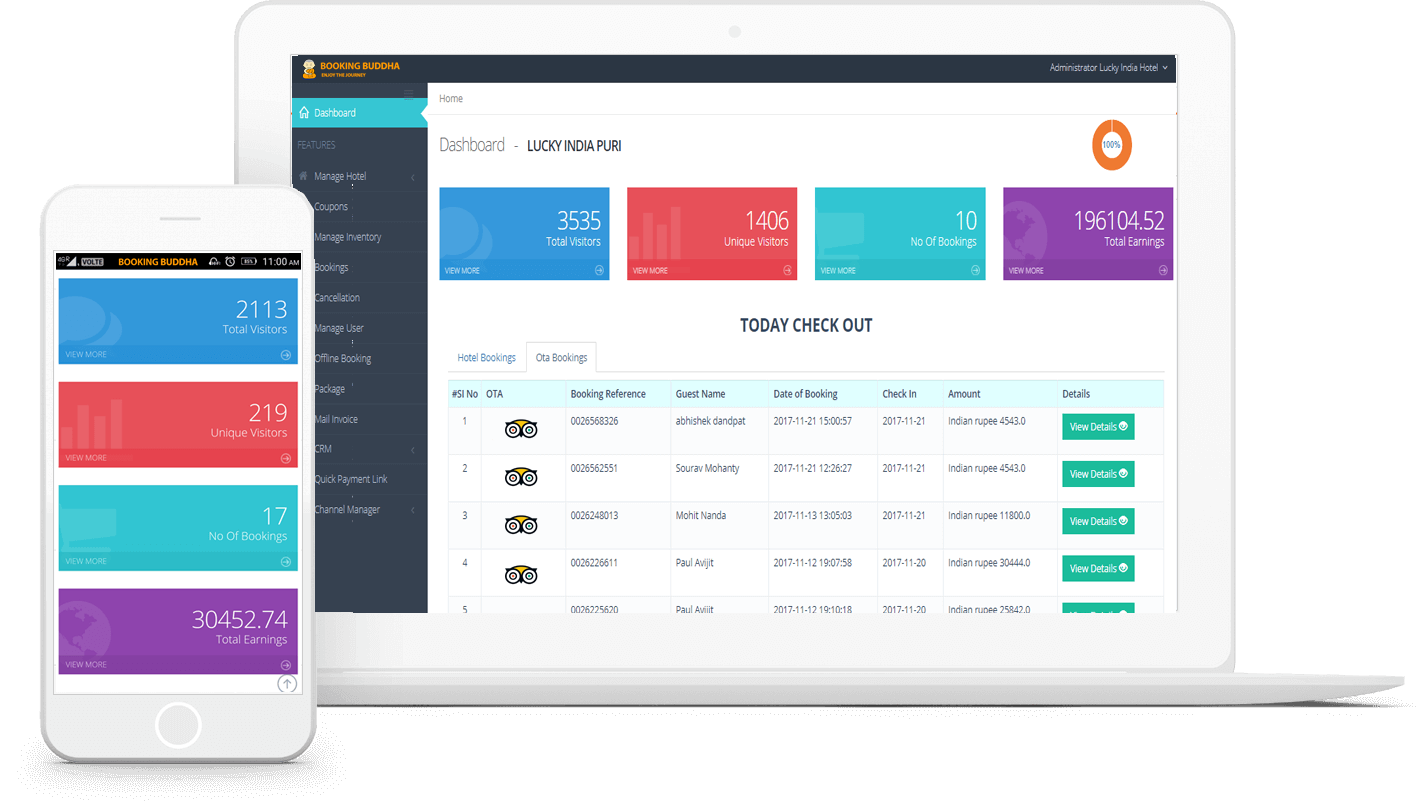
In today’s digital world, the importance of security and trust in hotel booking platforms cannot be overstated. As users increasingly rely on these platforms to secure their accommodations, they expect their personal and financial information to be handled with utmost care. Ensuring robust security measures not only protects users but also enhances the credibility of the platform itself.A hotel booking platform must implement stringent security measures to safeguard user data.
These measures include encryption protocols, secure payment gateways, and regular security audits to identify vulnerabilities. To ensure data integrity and confidentiality, platforms should utilize SSL (Secure Socket Layer) certificates to encrypt data transmitted between users and the platform. Additionally, employing two-factor authentication (2FA) can add an extra layer of protection, requiring users to verify their identity through a secondary method, such as a mobile device.
Building Trust and Credibility
Establishing trust within hotel booking platforms involves more than just security; it also encompasses transparency and customer service. Here are some key factors that contribute to building trust and credibility:
- Customer Reviews and Ratings: Displaying authentic customer reviews and ratings allows potential users to gauge the reliability of both the platform and the listed accommodations. Positive testimonials can significantly influence booking decisions.
- Clear Policies: Providing clear cancellation, refund, and privacy policies demonstrates a commitment to customer rights. When users understand the terms of service, they are more likely to trust the platform.
- Responsive Customer Support: Having a dedicated customer support team available through multiple channels helps address user concerns promptly. This accessibility reinforces trust and reassures users that their issues will be resolved.
Common Scams and Fraudulent Practices
Despite the presence of secure and trustworthy platforms, users must remain vigilant against common scams and fraudulent practices. Recognizing these threats can help travelers protect themselves while booking online. Some common scams to be aware of include:
- Phishing Scams: Fraudsters often create fake emails or websites that mimic legitimate booking platforms, attempting to steal personal information. Always verify the URL and look for secure browsing indicators.
- Unrealistic Discounts: Offers that seem too good to be true may be indicative of scam listings. Always cross-reference prices and check the legitimacy of the hotel and platform.
- Payment Requests via Unsecure Methods: Legitimate platforms will use secure payment gateways. Be cautious if asked to make payments through untraceable methods like wire transfers or prepaid cards.
Market Trends in Hotel Booking Platforms
The hotel booking industry is ever-evolving, driven by technological advancements and changing consumer behaviors. Understanding the current market trends provides insights into how these platforms are transforming the way travelers book their accommodations and what the future holds for this dynamic sector.One of the most significant trends impacting hotel booking platforms is the increasing reliance on mobile technology. Consumers are now more inclined to use their smartphones for travel-related tasks, from researching destinations to making reservations.
This shift demands that hotel booking platforms prioritize mobile-friendly designs and seamless user experiences. With the prevalence of mobile apps, companies like Booking.com and Expedia have capitalized on this trend, making it easier for users to browse and book hotels on-the-go.
Influence of Artificial Intelligence on Hotel Booking Services
Artificial intelligence (AI) is reshaping the landscape of hotel booking platforms by enhancing personalization and streamlining operations. AI technologies enable these platforms to analyze vast amounts of data, providing tailored recommendations to users based on their previous behaviors and preferences.One critical application of AI is in chatbots, which assist customers in real-time, answering queries and guiding them through the booking process.
This technology not only improves customer service but also reduces operational costs for hotels. For instance, Hilton has integrated AI to manage customer inquiries, resulting in faster response times and increased satisfaction.Moreover, AI’s predictive analytics capabilities are revolutionizing pricing strategies. By analyzing market trends, competitor pricing, and consumer demand, algorithms can suggest optimal pricing for hotel rooms, ensuring competitive rates that attract bookings.
This dynamic pricing model allows hotels to maximize revenue while staying appealing to guests.In the future, we can expect AI to play an even larger role in enhancing the user experience on hotel booking platforms. For example, platforms may utilize machine learning to create dynamic user profiles that evolve with the traveler’s preferences, further personalizing the booking experience.Overall, as technology continues to advance, the integration of AI in hotel booking platforms will not only streamline operations but also revolutionize how consumers interact with travel services.
The combination of mobile technology and AI is setting the stage for a more efficient, user-friendly, and personalized hotel booking experience.
Customer Service in Hotel Booking Platforms
In the realm of online travel booking, customer service stands as a crucial pillar that can significantly influence user experience and satisfaction. With the virtual nature of bookings, travelers often face uncertainties and challenges, making responsive and effective customer support essential to foster trust and loyalty. A seamless customer service experience not only assists in resolving issues but also enhances the overall perception of the booking platform.The importance of customer service is amplified in an industry where competition is fierce, and user expectations continue to rise.
Booking platforms must provide various support channels to meet the diverse needs of their clientele effectively. The following channels are commonly offered by major booking platforms and play a vital role in ensuring customer satisfaction:
Support Channels for Customers
Customer support can take many forms, each catering to different preferences and situations. Here are the primary support channels utilized by major hotel booking platforms:
- Live Chat: Instant messaging options allow users to get real-time assistance, making it a favored channel for quick inquiries and urgent issues.
- Phone Support: Many platforms offer dedicated phone lines for customers who prefer speaking directly with a representative, ensuring personalized support for complex problems.
- Email Support: This channel is ideal for non-urgent issues, allowing users to provide detailed information and receive responses at their convenience.
- Help Centers/FAQs: Comprehensive online resources provide answers to common questions and troubleshooting tips, empowering customers to find solutions independently.
- Social Media: Platforms actively engage with users on social media channels, offering a public forum for support and showcasing responsiveness to customer feedback.
Excellent customer service can profoundly impact user loyalty. When booking platforms prioritize customer support, they create a positive experience that encourages repeat business. Consider the following examples of how exceptional customer service influences loyalty:
“A satisfied customer is the best business strategy of all.” — Michael LeBoeuf
For instance, a customer who encounters an issue with a reservation may feel frustrated. However, if they receive prompt assistance through live chat and their issue is resolved quickly, they are likely to share their positive experience with others. Moreover, if a platform proactively reaches out post-stay to ensure satisfaction and address any concerns, it reinforces the customer’s sense of value and encourages them to choose the platform for future bookings.Additionally, some platforms go above and beyond by offering compensation or upgrades in cases of service failures, showcasing their commitment to customer satisfaction.
Such gestures can turn a negative experience into a positive one, further strengthening user loyalty and encouraging word-of-mouth recommendations.Ultimately, the level of customer service provided by hotel booking platforms is a defining factor in building a loyal customer base. By investing in responsive support channels and fostering positive interactions, these platforms can set themselves apart in a crowded marketplace.
Challenges Faced by Hotel Booking Platforms
Hotel booking platforms operate in a dynamic environment and encounter a range of challenges that can impact their success. These challenges can range from technological hurdles to intense market competition. Understanding these issues is crucial for platforms aiming to improve their service and maintain a competitive edge.One of the primary challenges faced by hotel booking platforms is the highly competitive landscape.
With numerous players in the market, including traditional travel agencies and new digital entrants, differentiation becomes essential. Platforms must focus on providing unique value propositions to stand out. They often achieve this through exclusive deals, loyalty programs, or intuitive user interfaces that enhance the booking experience.
Common Challenges Encountered
The challenges faced by hotel booking platforms can significantly affect their operations and customer satisfaction. Recognizing these issues helps in strategizing effective solutions. Key challenges include:
- Technological Integration: Platforms need to integrate various technologies such as booking engines, payment gateways, and customer relationship management (CRM) systems. This can be complex and costly.
- Data Security: With the increased amount of personal and payment data processed, ensuring robust security measures is paramount to prevent data breaches.
- Market Saturation: A large number of similar services makes it difficult for platforms to capture and retain customers.
- User Experience: The need to provide a seamless and intuitive user experience is critical, as a poor interface can lead to high abandonment rates.
- Dynamic Pricing Models: Managing pricing strategies that adapt to market demands and competition can be challenging, requiring constant monitoring and adjustment.
Solutions to Operational and Technological Hurdles
Addressing the challenges faced by hotel booking platforms requires a multi-faceted approach. Implementing strategic solutions is essential for overcoming operational and technological hurdles. This can include:
- Investing in Technology: Allocating resources to upgrade technology ensures seamless integration of systems and enhances security measures.
- Focusing on User Interface Design: Continuous improvement of the user interface through customer feedback helps create a more engaging experience.
- Adopting Advanced Data Analytics: Utilizing data analytics can help platforms understand customer behaviors and preferences, allowing for tailored marketing strategies.
- Building Strategic Partnerships: Collaborating with hotels and other travel services can enhance offerings and provide exclusive deals, differentiating the platform from competitors.
- Implementing Robust Security Protocols: Ensuring compliance with data protection regulations and using encryption protocols can bolster customer trust and safety.
Case Studies of Successful Hotel Booking Platforms
The hotel booking industry has seen the rise of several platforms that have not only transformed travel but have also set benchmarks for success. This section delves into two leading hotel booking platforms: Booking.com and Airbnb, analyzing their strategies, innovations, and lessons learned from their journeys.
Booking.com: Dominance Through User Experience
Booking.com has established itself as a titan in the hotel booking sector. The platform emphasizes a user-friendly experience combined with a vast range of accommodation options. It offers over 28 million listings, including hotels, apartments, and unique stays, which cater to diverse customer preferences.Key strategies that contributed to Booking.com’s success include:
- Data-Driven Decisions: The platform utilizes sophisticated algorithms to personalize user experiences based on browsing history and preferences. This ensures that users find relevant options swiftly.
- Flexible Booking Policies: Offering free cancellation or flexible booking options has attracted a broader audience, particularly during uncertain times such as the COVID-19 pandemic.
- Extensive Marketing Reach: Booking.com employs extensive digital marketing strategies, including partnerships with airlines and travel agencies, enhancing its visibility.
Booking.com’s approach demonstrates that prioritizing customer experience and leveraging data can create a competitive edge in the crowded market.
Airbnb: Revolutionizing Accommodations with Community Focus, Hotel booking platform
Airbnb has championed a unique model of peer-to-peer accommodation that appeals to travelers seeking authentic experiences. The platform connects hosts with guests, allowing individuals to rent out their properties, including homes, apartments, and even treehouses.Innovative practices that have fueled Airbnb’s growth include:
- Community Engagement: Airbnb fosters a sense of belonging by encouraging hosts to share local insights and experiences, making stays more enriching.
- Trust and Safety Measures: Implementing rigorous verification processes and offering a robust review system helps build trust among users, ensuring a safe and reliable experience.
- Diverse Offerings: With options ranging from budget-friendly rooms to luxury villas, Airbnb caters to various market segments, thereby maintaining a large customer base.
Airbnb’s success illustrates how a strong community focus and innovative safety measures can set a platform apart, appealing to modern travelers seeking unique and personalized lodging experiences.
Ultimately, both platforms highlight the importance of adaptability and customer-centric strategies in the dynamic landscape of hotel booking.
The Role of Online Travel Agencies (OTAs)
Online Travel Agencies (OTAs) play a pivotal role in the hotel booking ecosystem, serving as intermediaries that connect travelers with hotels worldwide. They simplify the booking process by offering users a range of options at their fingertips, all while providing valuable insights into pricing, availability, and customer reviews. As a result, OTAs have become essential players for both consumers and hotel operators in the highly competitive travel industry.OTAs significantly enhance the visibility of hotels by aggregating listings from various properties, making it easier for consumers to compare and choose accommodations.
By offering deals and promotions, OTAs attract customers who may not have considered booking directly through a hotel’s website. This accessibility often leads to increased bookings for hotels that partner with these agencies.
Comparison of Offerings from Major OTAs and Direct Hotel Bookings
When comparing offerings from major OTAs with direct hotel bookings, several distinctions arise that can influence a consumer’s decision-making process. While direct bookings often provide perks such as guaranteed best rates, flexible cancellation policies, and loyalty program benefits, OTAs excel in convenience and breadth of options. Here are some key differences:
- Price Flexibility: OTAs frequently offer competitive pricing, often resulting from bulk deals negotiated with hotel chains. Meanwhile, hotels may provide exclusive discounts for direct bookings, which can include membership rates for loyalty program members.
- Package Deals: OTAs often bundle accommodation with other services like flights and car rentals, creating attractive packages that entice travelers. This convenience is not typically available through direct bookings.
- User Experience: The user interface and experience on OTAs are designed to be user-friendly, with advanced search filters and customer reviews easily accessible, enhancing the overall booking experience compared to some hotel websites.
- Cancellation Policies: OTAs may have varied cancellation policies across different hotels, while direct bookings can often guarantee more favorable and transparent terms.
Influence of OTAs on Hotel Pricing and Availability
OTAs exert a significant influence on hotel pricing and availability through their market reach and data analytics capabilities. By leveraging vast amounts of user data, OTAs can analyze trends and consumer behavior, which in turn informs pricing strategies for hotels.
“Dynamic pricing models used by OTAs allow hotels to adjust rates in real-time, responding to demand fluctuations and competition.”
The pricing strategies adopted often lead to the following scenarios:
- Rate Parity: Many hotels agree to maintain uniform rates across all booking platforms, including OTAs and direct channels, to avoid price discrepancies that could confuse customers.
- Last-Minute Discounts: OTAs may promote last-minute deals to fill unsold rooms, enticing travelers looking for spontaneous trips and benefiting hotels by maximizing occupancy rates.
- Seasonal Pricing: OTAs can encourage hotels to implement seasonal pricing strategies, optimizing revenue during peak travel periods and offering discounts during off-peak times based on demand data.
By understanding the influence of OTAs in the hotel booking landscape, both travelers and hotel operators can make more informed decisions, ultimately enhancing the overall experience for all parties involved.
Future Developments in Hotel Booking Platforms
As the landscape of travel continues to evolve, hotel booking platforms are poised for significant advancements that will redefine how consumers interact with these services. Emerging technologies, shifting consumer behaviors, and innovative features are set to enhance user experiences and streamline processes in the hospitality industry. This section explores the potential future developments, highlighting the technologies and trends that will shape the hotel booking landscape.
Emerging Technologies Shaping Hotel Booking
The integration of cutting-edge technologies is anticipated to revolutionize hotel booking platforms. Notable technologies that will likely play an integral role include:
- Artificial Intelligence (AI): AI can personalize booking experiences by analyzing user data and preferences, offering tailored suggestions and improving the booking process.
- Virtual Reality (VR): VR enables potential guests to take immersive tours of hotels or rooms before booking, enhancing confidence in their choices.
- Blockchain Technology: Blockchain can enhance transparency and security in transactions, ensuring safe payment processing and the integrity of user data.
- Chatbots and Conversational Interfaces: These tools facilitate real-time interaction with customers, providing instant support and information, thus enhancing user satisfaction.
Consumer Behavior Trends Affecting Booking Practices
Consumer behavior is constantly evolving, influenced by technological advancements and changing expectations. Notable trends impacting hotel bookings include:
- Mobile-First Approach: With an increasing number of consumers using smartphones for travel bookings, platforms must prioritize mobile optimization for seamless access.
- Social Media Influence: Social media platforms serve as major channels for travel inspiration and peer recommendations, impacting booking decisions significantly.
- Desire for Authentic Experiences: Travelers are leaning towards unique, local experiences rather than traditional hotel stays, prompting platforms to adapt their offerings accordingly.
- Health and Safety Concerns: The recent global health crisis heightened the importance of health protocols, leading consumers to seek transparent information on cleaning standards and safety measures.
Vision for the Ideal Hotel Booking Platform
The ideal hotel booking platform of the future encapsulates a user-centric design that combines convenience, personalization, and security. Key features envisioned include:
- Seamless Integration: A unified platform that integrates bookings for accommodation, flights, and local experiences, simplifying the travel planning process.
- Dynamic Pricing Models: Utilizing AI to offer real-time pricing adjustments based on demand, ensuring competitive rates for travelers.
- Augmented Reality (AR) Features: AR can enhance the booking experience by allowing users to visualize hotel amenities and room layouts in real time.
- Enhanced User Reviews and Ratings: Incorporating verified reviews and detailed feedback will provide more reliable insights into accommodations.
“Future hotel booking platforms will prioritize user experience, leveraging technology to create a more interactive and personalized journey for travelers.”
Commonly Asked Questions
What is a hotel booking platform?
A hotel booking platform is an online service that allows users to search, compare, and book hotel accommodations directly through a website or app.
How do hotel booking platforms ensure security?
They implement security measures such as encryption, secure payment gateways, and compliance with data protection regulations to safeguard user information.
Can I cancel my booking through a hotel booking platform?
Yes, most platforms provide options to cancel bookings, but policies may vary depending on the hotel or room type selected.
Are there fees associated with using hotel booking platforms?
Some platforms may charge booking fees, while others earn through commissions from hotels. It’s best to review each platform’s policies for clarity.
How do hotel booking platforms impact hotel pricing?
They can influence pricing by offering competitive rates, promotions, and visibility, potentially affecting how hotels set their prices and manage availability.
