eco resort Bali Indonesia sustainable villa experience offers a unique way to enjoy the beauty of Bali while being kind to the planet. Eco resorts are not just hotels; they represent a commitment to sustainable living and responsible tourism. Travelers looking for a balance between luxury and environmental consciousness will find that these resorts feature innovative designs, local materials, and a deep connection to the community.
As more people seek vacations that reflect their values, eco resorts stand out by embracing principles that minimize environmental impact. From water conservation strategies to waste management techniques, each aspect of these resorts is carefully crafted to ensure a harmonious blend of comfort and sustainability. This approach not only enhances the guest experience but also contributes positively to the local ecology and economy.
Overview of Eco Resorts in Bali, Indonesia
Bali, Indonesia, is renowned for its breathtaking landscapes, rich culture, and vibrant traditions. Amidst this natural beauty, eco resorts have emerged as a sustainable alternative for travelers seeking to minimize their environmental impact while enjoying the island’s offerings. The concept of eco resorts centers around creating accommodations that harmoniously blend luxury with sustainability, making them significant in promoting responsible tourism in Bali.Eco resorts in Bali are characterized by various features that ensure sustainability.
Key elements include the use of local materials in construction, renewable energy sources such as solar power, and practices that promote conservation of water and biodiversity. Many eco resorts also engage in community projects, supporting local economies and preserving cultural heritage, which adds to their attractiveness for conscious travelers. This alignment with sustainable practices resonates particularly with those seeking a responsible vacation, allowing guests to immerse themselves in nature while contributing positively to the surrounding environment.
Key Features of Sustainable Eco Resorts
Several important characteristics define what makes an eco resort truly sustainable. Understanding these features can help travelers make informed decisions when choosing their accommodations.
- Local Sourcing: Eco resorts prioritize using locally sourced materials and food, reducing transportation emissions while supporting local farmers and artisans.
- Energy Efficiency: Many eco resorts invest in renewable energy systems, such as solar panels and wind turbines, to minimize their carbon footprint and promote energy independence.
- Water Conservation: Sustainable resorts implement systems for rainwater harvesting and greywater recycling, ensuring efficient use of water resources.
- Biodiversity Protection: Eco resorts often incorporate natural landscapes into their design and actively participate in conservation efforts to protect local flora and fauna.
- Community Engagement: Collaborating with local communities, eco resorts may offer cultural experiences and programs, fostering a deeper connection between guests and the local culture.
These features not only enhance the guest experience but also ensure that the ecological and cultural integrity of Bali is preserved for future generations. By choosing to stay in eco resorts, travelers can enjoy a unique vacation experience while supporting sustainable practices that benefit both the environment and local communities.
“Eco resorts embody the essence of responsible tourism, where luxury meets sustainability in perfect harmony.”
Sustainable Villa Experience: Eco Resort Bali Indonesia Sustainable Villa Experience
Staying in a sustainable villa in Bali is not just about luxury; it’s about embracing eco-friendly living in a breathtaking environment. These villas are designed with nature in mind, creating an immersive experience that harmonizes comfort with sustainability. Each detail, from the architecture to the materials used, reflects a commitment to preserving the beauty of Bali while providing guests with a unique getaway.The design principles of sustainable villas focus on blending with the natural landscape and minimizing their carbon footprint.
Key elements include passive solar design, which maximizes natural light and reduces energy consumption, and the use of natural ventilation systems that eliminate the need for air conditioning. Such principles ensure that these villas remain cool and inviting while respecting the surrounding environment.
Design Principles of Sustainable Villas
Sustainable villas incorporate various design principles aimed at reducing environmental impact while enhancing the user experience. Here are some critical aspects that define these eco-friendly structures:
- Orientation and Layout: Villas are strategically positioned to take advantage of natural light and breezes, reducing reliance on artificial lighting and cooling systems.
- Natural Materials: Construction often emphasizes local, renewable resources like bamboo, reclaimed wood, and volcanic stone, ensuring materials are both sustainable and low-impact.
- Green Roofs and Walls: These features promote biodiversity and contribute to insulation, keeping the villa comfortable throughout the year while absorbing rainwater.
- Water Management Systems: Rainwater harvesting and greywater recycling systems are commonly installed to maximize water efficiency and minimize waste.
Minimizing Environmental Impact
Sustainable villas actively work to lessen their ecological footprints through various innovative practices that minimize their environmental impact. These practices include:
- Energy Efficiency: The use of solar panels and energy-efficient appliances ensures that energy consumption is kept to a minimum, allowing villas to operate sustainably.
- Waste Reduction: Many eco-resorts implement composting and recycling programs, actively promoting waste reduction among guests and staff alike.
- Local Sourcing: By sourcing food and materials from local suppliers, these villas contribute to the local economy while reducing the carbon footprint of transporting goods.
Local Materials and Techniques in Construction
The construction of eco-friendly villas in Bali emphasizes local materials and traditional techniques that reflect the rich cultural heritage of the island. Noteworthy aspects include:
- Bamboo: Known for its strength and sustainability, bamboo is a preferred building material that grows rapidly and is abundant in Bali.
- Traditional Balinese Techniques: Methods such as the use of “alang-alang” grass for roofing provide natural insulation and blend seamlessly with the surroundings.
- Local Stone: The use of volcanic stones not only reflects the natural geology of Bali but also provides durability and a unique aesthetic to the villas.
“Sustainable architecture harmonizes with nature, creating spaces that are not only beautiful but also responsible.”
Eco-Friendly Practices in Bali Resorts

Bali is known for its stunning landscapes and commitment to sustainability, especially in its eco resorts. These establishments prioritize environmentally friendly practices that not only enhance the guest experience but also help protect the island’s rich natural heritage. From innovative waste management systems to water conservation strategies, eco resorts in Bali are leading the way in sustainable tourism.One of the standout features of eco resorts in Bali is their commitment to integrating sustainable practices into every aspect of their operations.
These resorts often utilize local materials in their construction, minimize energy consumption through renewable sources, and engage in community initiatives that promote ecological balance. Here are some notable practices employed by these resorts to ensure a positive impact on the environment.
Sustainable Practices Implemented at Eco Resorts
Eco resorts in Bali implement a variety of sustainable practices to minimize their ecological footprint. The following points highlight some key examples:
- Use of Renewable Energy: Many resorts harness solar power for electricity and heating, reducing reliance on fossil fuels and minimizing greenhouse gas emissions.
- Organic Gardens: On-site gardens cultivate organic fruits and vegetables, which not only provide fresh produce for guests but also reduce the carbon footprint associated with transporting food.
- Eco-Friendly Construction Materials: Resorts often use sustainable materials like bamboo and reclaimed wood, which are both durable and environmentally friendly, for their buildings and furnishings.
- Community Engagement: Many resorts partner with local communities to promote sustainable practices, such as reforestation projects and traditional farming methods.
Waste Management Strategies
Effective waste management is crucial for maintaining the ecological integrity of Bali. Eco resorts adopt various strategies to minimize waste generation and promote recycling. Resorts typically implement comprehensive waste management systems that include the following elements:
- Composting: Organic waste generated in kitchens and gardens is composted, creating nutrient-rich soil that can be reused in landscaping and gardening.
- Recycling Programs: Many resorts have dedicated recycling stations to ensure that plastics, metals, and paper are properly sorted and processed, reducing landfill contributions.
- Waste Reduction Initiatives: By encouraging guests to use refillable water bottles and providing minimal plastic packaging in rooms, resorts actively work towards reducing single-use plastics.
Water Conservation Measures
Water conservation is another critical area of focus for eco resorts in Bali, where water resources can be limited. Resorts implement various measures to optimize water use and promote sustainable practices among guests.Key water conservation strategies include:
- Rainwater Harvesting: Many resorts collect rainwater, which can be filtered and used for landscaping and non-potable purposes, significantly reducing dependency on local water supplies.
- Low-Flow Fixtures: The installation of low-flow toilets, showerheads, and faucets helps to minimize water usage without compromising guest comfort.
- Irrigation Management: Smart irrigation systems are often employed in gardens and lawns, utilizing sensors to determine when watering is necessary and preventing overuse.
“By adopting these eco-friendly practices, Bali resorts are not only enhancing the travel experience but are also taking significant steps toward preserving the island’s natural beauty for future generations.”
Local Community Involvement
Eco resorts in Bali have made significant strides in promoting sustainable tourism through active engagement with local communities. By fostering partnerships with local residents, these resorts not only enhance the visitor experience but also contribute to the socioeconomic well-being of the region. The collaboration between eco resorts and the Bali community showcases a model of tourism that prioritizes both environmental stewardship and local empowerment.The methods through which eco resorts engage with local communities are diverse and multifaceted.
These initiatives often include sourcing products from local artisans, employing community members, and organizing workshops that highlight local culture and traditions. Such practices not only support local economies but also enrich the cultural fabric of the resort experience.
Methods of Engagement
Understanding the strategies employed by eco resorts to connect with local communities is essential for appreciating the broader impact of sustainable tourism. The following points illustrate effective methods of engagement:
- Collaboration with Local Artisans: Eco resorts often feature handicrafts, textiles, and artworks created by local artisans, ensuring that visitors have access to authentic Balinese culture while providing artisans with a fair income.
- Employment Opportunities: By prioritizing local hiring practices, eco resorts create job opportunities that help improve the livelihoods of community members, fostering economic growth and stability.
- Cultural Exchange Programs: Initiatives such as cooking classes, dance workshops, and traditional ceremonies enable guests to immerse themselves in Balinese culture while directly benefiting local practitioners.
- Community Development Projects: Many resorts invest in local infrastructure, such as schools and health clinics, ensuring that the benefits of tourism extend beyond the resort’s boundaries and improve overall community well-being.
Benefits of Community Partnerships, Eco resort Bali Indonesia sustainable villa experience
Community partnerships yield numerous advantages for sustainable tourism, creating a symbiotic relationship between eco resorts and the local populace. The benefits include:
- Economic Empowerment: By supporting local businesses and artisans, eco resorts help circulate money within the community, leading to a more resilient local economy.
- Preservation of Culture: Engaging with local traditions fosters cultural pride and helps preserve artisanal skills that may otherwise be lost in a modernizing world.
- Environmental Stewardship: Collaborating with locals on conservation projects ensures that eco resorts contribute positively to the environment, leveraging indigenous knowledge about local ecosystems.
Supporting Local Artisans and Businesses
A notable example of how eco resorts support local artisans can be seen through the collaboration with Balinese woodworkers, who create stunning handcrafted furniture and decorative items sold within resort boutiques. These artisans not only gain exposure to international markets but also receive fair compensation for their crafts. Additionally, eco resorts often partner with local farmers, promoting organic agriculture and offering guests farm-to-table dining experiences.
This partnership not only enhances the culinary offerings of the resorts but also encourages sustainable farming practices that protect Bali’s rich agricultural heritage.
“Supporting local artisans and businesses is not just good for tourism; it’s essential for preserving the unique culture and environment of Bali.”
Guest Experience at Eco Resorts

Staying at eco resorts in Bali offers travelers not only a connection to nature but also an immersive experience rooted in sustainability. Guests are encouraged to participate in various activities and initiatives designed to minimize their environmental footprint while enjoying the beauty of their surroundings. These unique experiences create memorable stays that resonate with eco-conscious travelers.At eco resorts in Bali, guests can engage in activities that highlight sustainability and promote awareness of the local ecosystem.
Many resorts incorporate guided nature walks, where knowledgeable staff share insights about local flora and fauna, emphasizing conservation efforts. Other popular activities include organic farming workshops that teach guests about sustainable agriculture practices, allowing them to connect with their food sources while learning to appreciate the hard work that goes into cultivating the land. Water sports enthusiasts often have the opportunity to participate in beach clean-ups combined with snorkeling trips, helping to preserve Bali’s pristine marine environments.
Traveler Experiences and Testimonials
Many travelers have shared their positive experiences at eco resorts, highlighting the unique aspects of their stays that reflect the commitment to sustainability. Guests often remark on the warm hospitality of the staff, who are passionate about the environment and eager to share their knowledge. Comments like,
“Staying at this eco resort was transformative. I felt connected to nature in a way I never have before!”
illustrate the profound impact an eco-conscious retreat can have on visitors. Additionally, the experiences shared often emphasize the balance of luxury and sustainability, where guests can enjoy comfort without compromising their values.
Amenities that Promote Eco-Friendly Living
To enhance the guest experience while aligning with sustainable practices, eco resorts in Bali offer a variety of amenities designed to foster eco-friendly living. These amenities not only contribute to a greener environment but also provide guests with a unique touch during their stay. The following list details some of the key amenities typically found at these resorts:
- Solar-powered energy systems that reduce reliance on non-renewable resources.
- Rainwater harvesting systems for irrigation and other non-potable uses.
- Biodegradable toiletries to minimize plastic use and chemical waste.
- On-site organic gardens where guests can pick fresh produce for their meals.
- Natural ventilation systems in accommodations that reduce energy consumption.
- Community-led recycling programs that encourage guests to participate in waste management efforts.
- Educational workshops focusing on sustainable practices such as cooking classes with local ingredients.
These amenities reflect a commitment to environmental stewardship while providing guests with a comfortable and enjoyable vacation experience, highlighting that luxury and sustainability can indeed coexist harmoniously.
Biodiversity and Conservation Efforts
Eco resorts in Bali are more than just places to unwind; they play a pivotal role in preserving the island’s rich biodiversity. By prioritizing sustainability, these resorts engage in practices that protect the unique flora and fauna endemic to the region. Their commitment to conservation goes beyond mere environmental responsibility, integrating ecological stewardship into the very foundation of their operations.Eco resorts contribute significantly to the conservation of local biodiversity through various initiatives aimed at protecting endangered species and restoring natural habitats.
These resorts often collaborate with environmental organizations and local governments to create programs designed to mitigate the impact of tourism on delicate ecosystems. By employing eco-conscious strategies and educating guests, they foster a culture of respect for natural resources.
Conservation Programs and Initiatives
Many eco resorts in Bali have established specific programs that highlight their commitment to environmental conservation. These initiatives not only aim to protect local wildlife but also engage guests in sustainable practices. Notable examples include:
- Wildlife Rehabilitation Centers: Several resorts support or operate facilities that rehabilitate injured or orphaned wildlife. These centers often focus on species native to Bali, such as the Bali Starling, which is critically endangered.
- Reforestation Projects: Eco resorts frequently participate in tree planting initiatives to restore deforested areas and enhance biodiversity. These projects often involve local communities, fostering a sense of shared responsibility for the environment.
- Marine Conservation Efforts: Some resorts partner with marine conservation organizations to protect coral reefs and promote sustainable fishing practices. Activities like coral planting allow guests to directly contribute to ocean health.
- Educational Programs: Many eco resorts offer workshops and guided tours that educate guests about local ecosystems, endangered species, and conservation practices, encouraging them to become advocates for the environment.
The impact of eco resorts on biodiversity is notably more positive compared to traditional resorts, which often prioritize luxury and expansion over ecological preservation. Traditional resorts typically involve significant land clearing, water usage, and energy consumption, which can disrupt local ecosystems. In contrast, eco resorts are designed with minimal environmental impact in mind, often incorporating natural materials and renewable energy sources.
This approach not only safeguards biodiversity but also promotes a sustainable tourist model that benefits both the environment and local communities.
Eco resorts serve as a vital bridge between tourism and conservation, demonstrating that relaxation and environmental stewardship can coexist.
Economic Impact of Eco Tourism in Bali
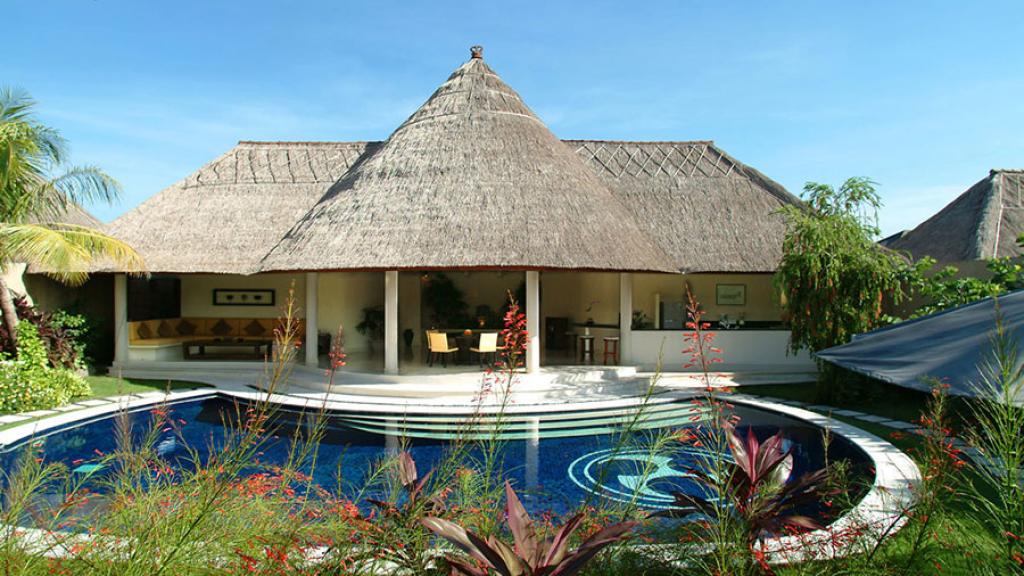
Eco tourism has emerged as a significant player in Bali’s economy, fostering sustainable growth while promoting environmental consciousness. The influx of eco resorts has not only attracted environmentally aware travelers but has also created a ripple effect on local communities and economies. By integrating eco-friendly practices with luxury experiences, these resorts are paving the way for a new standard in tourism that values both nature and community well-being.The economic benefits brought by eco resorts to local economies are substantial.
Not only do they provide jobs and stimulate local businesses, but they also contribute to the preservation of Bali’s rich cultural and natural heritage. Eco tourism encourages the development of sustainable practices in agriculture, handicrafts, and other sectors, leading to improved living standards for local residents. In fostering such an environment, eco resorts create a model where economic growth aligns with environmental stewardship.
Economic Benefits of Eco Resorts
The presence of eco resorts positively influences several economic aspects of Bali. This includes:
- Job Creation: Eco resorts typically employ local residents, offering jobs that range from hospitality positions to roles in conservation and sustainable agriculture, thus reducing unemployment rates in the region.
- Support for Local Businesses: These resorts often source food, materials, and services from local vendors, which helps stimulate the economy and build partnerships within the community.
- Investment in Infrastructure: Eco resorts often invest in local infrastructure, such as roads and utilities, which benefit the wider community and improve overall living conditions.
Despite the numerous benefits, eco resorts face challenges in the competitive tourism market. The rise of mass tourism poses significant hurdles, with many travelers opting for cheaper, all-inclusive resorts over sustainable options. This competition can lead to price wars, where eco resorts struggle to maintain profitability while adhering to their eco-friendly principles.
Challenges Faced by Eco Resorts
The competitive landscape of the tourism industry introduces several challenges for eco resorts, including:
- Market Competition: Competing against traditional resorts that may offer lower prices can undermine the appeal of eco resorts, which often invest more in sustainable practices.
- Awareness and Education: Many travelers are unaware of the benefits of eco tourism, leading to a lack of demand. It is essential for eco resorts to educate potential guests about their sustainable practices and the positive impact of their stay.
- Regulatory Challenges: Navigating environmental regulations and certifications can be complex, requiring eco resorts to allocate resources towards compliance, which can be financially burdensome.
Long-term sustainability of eco tourism as an economic model is contingent on the commitment of all stakeholders involved. By fostering partnerships with local governments, communities, and environmental organizations, eco resorts can ensure their practices remain viable and beneficial for years to come. This approach not only elevates the standards of tourism in Bali but also sets a precedent for sustainable models in other destinations.
Long-term Sustainability of Eco Tourism
To achieve long-term sustainability, several strategies can be implemented:
- Community Engagement: Involving local populations in decision-making processes ensures that the economic benefits of eco tourism are shared widely and that local cultures are respected and preserved.
- Continuous Education: Educating guests about sustainability can enhance their experience and encourage them to adopt eco-friendly practices even after their stay.
- Innovation in Practices: Eco resorts should continually seek innovative ways to reduce their environmental footprint while enhancing guest experiences, such as integrating renewable energy sources or zero-waste policies.
“By integrating eco-friendly practices and engaging local communities, eco tourism in Bali not only supports the economy but also champions environmental and cultural conservation.”
Q&A
What is an eco resort?
An eco resort is a type of accommodation that focuses on sustainability and minimizing environmental impact, often incorporating local materials and practices.
How do eco resorts support local communities?
Eco resorts often partner with local artisans and businesses, providing economic benefits and promoting cultural experiences for guests.
What activities can guests enjoy at eco resorts?
Guests can participate in various eco-friendly activities, such as nature walks, local cooking classes, and community projects.
Are eco resorts more expensive than traditional hotels?
While some eco resorts may have a higher price point due to their sustainable practices, many offer competitive rates or unique experiences that justify the cost.
How do eco resorts manage waste?
Eco resorts implement comprehensive waste management systems, focusing on recycling, composting, and reducing single-use plastics.
