Downtown business hotels are essential hubs for professionals navigating the fast-paced environment of urban life. These hotels cater specifically to the needs of business travelers, offering not only comfortable accommodations but also a range of amenities designed to enhance productivity and convenience. As cities continue to grow and evolve, the demand for such specialized lodging has surged, making downtown business hotels a popular choice for those seeking both comfort and functionality.
From high-speed internet to versatile conference spaces, these establishments are tailored to meet the unique requirements of their guests. With strategic locations near key business districts and transportation hubs, they provide easy access to the resources and networks that professionals need to thrive in their careers.
Overview of Downtown Business Hotels

Downtown business hotels play a crucial role in urban environments, catering specifically to the needs of business travelers. These establishments are strategically located in city centers, providing easy access to corporate offices, conference venues, and essential amenities. Their significance in urban areas is not merely confined to accommodation; they contribute significantly to the local economy and enhance the overall travel experience.Key features set downtown business hotels apart from other types of accommodations.
They are typically characterized by modern amenities, robust business services, and a focus on efficiency. For instance, high-speed internet, meeting rooms equipped with the latest technology, and on-site dining facilities are common offerings. In addition, their proximity to transportation hubs such as airports and public transit systems adds convenience for guests. The ambiance in these hotels is often centered around professionalism and comfort, creating an environment conducive to both work and relaxation.
Growth Trends of Downtown Business Hotels
The popularity of downtown business hotels has seen significant growth in recent years, fueled by various factors. This increase reflects broader trends in travel, remote work, and urban development. Key points illustrating this growth include:
- Urbanization: As more people migrate to urban areas for job opportunities, the demand for business accommodations increases, leading to a rise in new hotel developments in city centers.
- Remote Work Influence: Companies are hosting more in-person meetings again, which has boosted the need for business travel, subsequently increasing bookings at downtown hotels.
- Investment in Infrastructure: Cities have been investing in infrastructure to attract business tourism, enhancing the appeal of downtown business hotels with improved transportation and facilities.
- Technology Integration: Hotels are adopting advanced technologies, such as mobile check-in and room automation, which enhance the guest experience and attract tech-savvy travelers.
- Event Hosting: The rise in professional conferences and events in urban settings has resulted in greater demand for hotels that can accommodate business travelers effectively.
The ongoing evolution of downtown business hotels demonstrates their adaptability and relevance in a changing travel landscape. With steady growth in urban tourism and corporate travel, these hotels are positioned to remain vital components of the hospitality industry.
Amenities and Services: Downtown Business Hotels
In the fast-paced world of business travel, downtown business hotels stand out by providing essential amenities and services designed to cater to the needs of professionals on the go. These hotels not only serve as a comfortable place to rest but also offer facilities that help streamline work processes and enhance productivity.The amenities offered by downtown business hotels are tailored to meet the demands of business travelers, ensuring that their stay is both convenient and efficient.
A wide range of features are typically available, allowing guests to focus on their work while enjoying the comforts of a well-equipped hotel.
Essential Amenities for Business Travelers
Business hotels are known for their focus on providing essential amenities that enhance the overall experience for guests. Some of the most common amenities include:
- High-Speed Internet: Fast and reliable Wi-Fi access is crucial for business travelers needing to stay connected.
- Business Centers: Equipped with computers, printers, and meeting rooms, these centers allow guests to handle business needs without needing to leave the hotel.
- Conference Rooms: Flexible spaces with audio-visual equipment are available for meetings and presentations.
- 24-Hour Front Desk: A dedicated team available around the clock to assist with any inquiries or requests.
- Fitness Centers: Many hotels have on-site gyms to help travelers maintain their workout routines during their stay.
These amenities create a supportive environment for business activities, facilitating seamless work processes.
Typical Services Offered
In addition to essential amenities, downtown business hotels provide a variety of services aimed at enhancing the guest experience. These services often include:
- Room Service: Convenient dining options available for guests who prefer to eat in their rooms.
- Concierge Services: Knowledgeable staff ready to assist with travel arrangements, restaurant reservations, and local recommendations.
- Shuttle Services: Transportation options to and from airports and key business locations, ensuring easy access to essential destinations.
- Laundry Services: On-site laundry or dry-cleaning services to keep professional attire fresh and ready for meetings.
These services are designed to alleviate some of the stress that comes with business travel, allowing guests to focus on their work rather than logistics.
Unique Amenities for Enhanced Experience
To stand out in a competitive market, some downtown business hotels offer unique amenities that enhance the guest experience beyond the basics:
- Executive Lounges: Exclusive spaces for guests to relax or hold informal meetings, often featuring complimentary beverages and snacks.
- In-Room Technology: Advanced tech such as smart TVs, mobile apps for room controls, and docking stations for devices.
- Wellness Programs: Offerings that may include yoga classes, spa treatments, or wellness concierge services.
- Networking Events: Regularly scheduled social events or workshops that allow guests to connect with other professionals.
These unique offerings not only improve the overall stay but also create opportunities for networking and personal wellness, making downtown business hotels particularly appealing to the modern traveler.
Target Audience
Downtown business hotels primarily cater to a diverse range of business travelers who require convenient and professional accommodations while on the move. These hotels are designed to meet the specific needs of individuals who are visiting the city for work-related purposes, whether they are attending meetings, conferences, or simply looking for a place to unwind after a long day of business activities.
Understanding this target audience is crucial for hotels to provide tailored services that enhance the business travel experience.Business travelers often have particular needs and preferences that distinguish them from leisure travelers. They prioritize comfort, connectivity, and efficiency, seeking amenities that support their work and travel requirements. Hotels address these needs by offering features such as high-speed internet, flexible workspaces, and business centers equipped with printing and copying services.
Additionally, many downtown business hotels provide transportation options, such as shuttle services to and from airports or local attractions, ensuring that travelers can navigate the city with ease.
Types of Business Travelers
The business traveler demographic is varied, encompassing several distinct categories, each with unique requirements. Understanding these categories helps hotels tailor their services effectively.
- Corporate Executives: These affluent travelers often seek luxury accommodations with premium services, such as fine dining and concierge assistance. Their preference leans towards hotels that provide quiet, comfortable environments conducive to meetings or relaxation after hectic schedules.
- Freelancers and Remote Workers: This group values flexibility and affordability. They typically look for hotels that offer co-working spaces or communal areas to network with others. Reliable Wi-Fi and access to office supplies are crucial for this audience.
- Sales Representatives: Often on the move, these travelers prioritize proximity to clients and business venues. They appreciate hotels that offer loyalty programs and reward points for frequent stays, as well as amenities like early check-in and late check-out.
- Conference Attendees: Traveling for industry conferences or exhibitions, these guests require hotels that provide event facilities, such as meeting rooms and audiovisual equipment. Proximity to the conference venue is also essential, as it saves time and enhances convenience.
By recognizing the distinct needs of each type of business traveler, downtown business hotels can create an environment that not only meets but exceeds expectations, ultimately fostering loyalty and repeat business.
“Understanding the unique requirements of each business traveler category allows hotels to enhance guest experiences and streamline services.”
Location Advantages
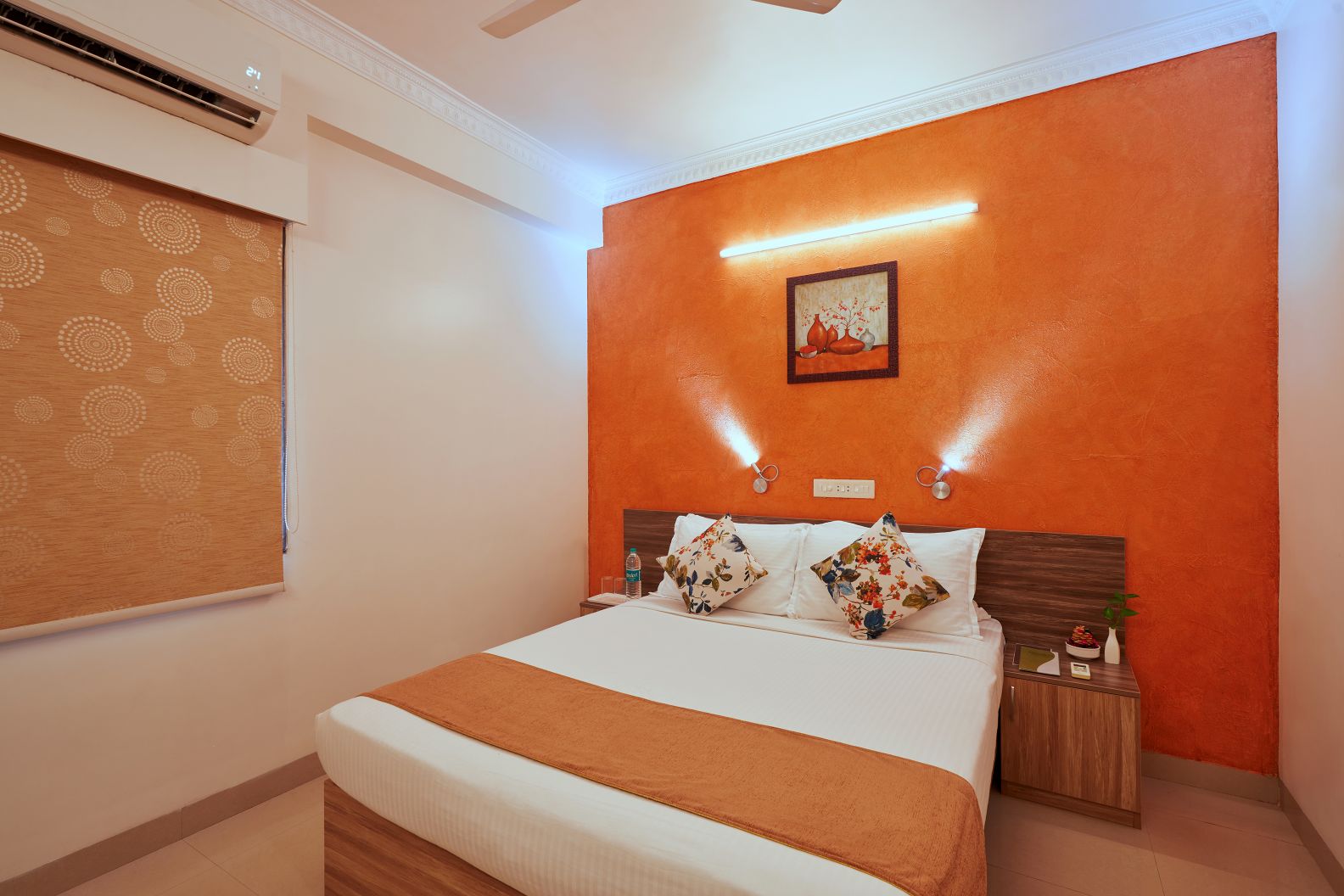
The significance of location in the hospitality industry cannot be overstated, particularly for downtown business hotels. A strategic location not only enhances visibility but also offers convenience that attracts business travelers. Downtown areas typically serve as the hub for corporate activities, making it essential for hotels in these locations to provide easy access to essential services and venues.Accessibility plays a crucial role for guests staying at downtown business hotels.
Proximity to major transportation hubs, such as airports, train stations, and bus terminals, allows travelers to minimize transit time. Moreover, being situated near key business districts enhances the ability of hotel guests to attend meetings, conferences, and networking events without the hassle of long commutes.
Transportation Accessibility
The variety of transportation options available in downtown areas greatly influences the experience of business travelers. Here are some notable aspects:
- Proximity to Airports: Hotels located within a short distance from airports provide travelers with the convenience of quick transfers, which is crucial for tight business schedules. For instance, hotels near major airports like LaGuardia in New York or Hartsfield-Jackson in Atlanta often see higher occupancy rates due to their accessibility.
- Public Transit Options: The availability of subway, bus, and tram services within a short walking distance enhances accessibility. This makes it easier for travelers to navigate the city without the need for rental cars or taxis, which can accumulate costs quickly. Cities like Chicago and San Francisco boast robust public transit systems that encourage guests to choose downtown hotels.
- Walking Distance to Business Venues: Being near conference centers, corporate offices, and meeting facilities is vital. Hotels that provide easy access to these venues often have higher rates of occupancy, as they cater directly to the needs of business professionals.
Impact on Pricing and Occupancy Rates
The location of downtown business hotels significantly affects their pricing strategies and occupancy levels. Hotels in prime locations usually command higher rates, reflecting the added value of convenience offered to guests. Conversely, those farther from business hubs may need to adopt competitive pricing to attract visitors. Factors contributing to pricing include:
- Demand Fluctuations: Rates may vary based on local events, conferences, and peak travel seasons. For instance, hotels in cities hosting major trade shows can increase prices significantly during those times.
- Occupancy Rates: Locations with high foot traffic, such as Times Square in New York, typically see higher occupancy rates due to their visibility and easy access, translating into better revenue for hotel operators.
- Competitor Analysis: Analyzing nearby hotels can help in formulating competitive pricing strategies. Hotels situated near one another may need to adjust their rates to maintain occupancy levels while ensuring profitability.
“Location is everything in real estate and hospitality; being in the right spot can make all the difference.”
In summary, the strategic location of downtown business hotels offers numerous advantages, including enhanced accessibility to transportation hubs and business districts, impacting both pricing and occupancy positively. These elements collectively create a favorable environment for business travelers, making downtown hotels a preferred choice for their stay.
Technology Integration
In today’s fast-paced business environment, the integration of technology into the services offered by downtown business hotels has become essential. By leveraging innovative technology, these hotels enhance the guest experience, streamline operations, and create a seamless atmosphere that caters to the needs of business travelers. The right technological tools not only improve convenience but also provide a competitive edge in the hospitality industry.The role of technology in business hotels encompasses various aspects that significantly impact guest satisfaction.
One notable advancement is the implementation of mobile check-in systems, which allow guests to bypass lengthy queues at the front desk. This feature enhances efficiency, enabling travelers to access their rooms quickly after a long journey. Smart room controls are another example; guests can manage lighting, temperature, and entertainment systems through their smartphones or in-room tablets, making their stay more personalized and comfortable.
Additionally, virtual concierge services provide guests with immediate access to hotel information, local attractions, and dining recommendations through their devices, enhancing the overall guest experience.
Common Tech Features in Business Hotels
The incorporation of technology in downtown business hotels includes several common features that cater to business travelers’ needs. These features are designed to facilitate not just comfort but also productivity during their stay. Here are some key elements that are frequently found in business hotels:
- Mobile Check-Ins: Guests can check in and out using their mobile devices, reducing wait times and providing a more efficient experience.
- Smart Room Controls: Controls for lighting, temperature, and audio/visual equipment are accessible via mobile apps or in-room tablets, allowing for a tailored environment.
- High-Speed Internet Connectivity: Reliable and fast Wi-Fi is a necessity for business travelers to conduct meetings and stay connected.
- Virtual Concierge Services: Access to hotel services and local information through apps enhances the guest experience and provides instant assistance.
- Teleconferencing Technology: Equipped meeting rooms with video conferencing capabilities enable seamless communication for remote meetings.
The effective use of technology goes beyond just guest amenities; it extends into the meetings and conferences that business hotels host. Many hotels invest in high-tech meeting rooms equipped with the latest audio-visual equipment, facilitating seamless presentations and discussions. These spaces often feature interactive whiteboards, smart projectors, and unified communication systems that allow for remote participation. Such integrations not only enhance the effectiveness of business meetings but also position the hotel as a top choice for corporate events.
“Technology in hospitality is not just about convenience; it’s about creating an experience that resonates with the needs of modern travelers.”
By embracing technology, downtown business hotels are not only improving operational efficiency but also crafting a memorable and productive environment for their guests, ultimately driving loyalty and repeat business.
Sustainability Practices
Sustainability has become an essential aspect for downtown business hotels, responding not only to environmental concerns but also to the growing demand from travelers for eco-friendly accommodations. In an era where climate change and environmental degradation are pressing issues, hotels that prioritize sustainability can enhance their brand reputation while contributing to a greener planet.In the hospitality industry, implementing sustainable practices is crucial for reducing the carbon footprint and conserving natural resources.
Business hotels in downtown areas often face unique challenges due to their urban settings, yet they can still adopt numerous initiatives to ensure sustainability is woven into their operations. These initiatives can positively impact both the environment and the preferences of business travelers who are increasingly conscious of their ecological footprint.
Common Green Initiatives
Several common green initiatives are adopted by downtown business hotels, focusing on energy efficiency, waste reduction, and water conservation. These initiatives not only help in minimizing the environmental impact but also appeal to a demographic that values sustainability. The following practices are frequently implemented:
- Energy-efficient lighting systems, such as LED bulbs, are installed throughout the hotel to reduce electricity consumption.
- Water-saving fixtures, including low-flow showerheads and toilets, help minimize water usage without compromising guest comfort.
- Waste recycling programs actively encourage guests and staff to separate recyclables, contributing to less landfill waste.
- Use of eco-friendly cleaning products ensures a healthier indoor environment while minimizing harmful chemical exposure.
- Partnerships with local farms for sourcing food, ensuring that meals are fresh, seasonal, and locally produced.
- Renewable energy sources, such as solar panels or wind turbines, are utilized to power hotel operations, further reducing reliance on fossil fuels.
The implementation of these practices not only demonstrates a commitment to environmental stewardship but also positions the hotel favorably in the eyes of business travelers who prioritize sustainability.
“Sustainable practices are not just an ethical choice; they can significantly influence a guest’s selection of a hotel.”
As awareness of climate issues grows, business travelers are increasingly seeking accommodations that align with their values. Hotels that showcase sustainable initiatives can attract these eco-conscious guests, making it a pivotal aspect of their marketing strategy. The choice of hotel often reflects the traveler’s commitment to sustainability, leading many to favor those establishments that actively contribute to environmental preservation. By prioritizing sustainability, downtown business hotels can create a competitive edge in a crowded market while also doing their part to address global environmental challenges.
Pricing Strategies
In the competitive landscape of downtown business hotels, effective pricing strategies play a crucial role in attracting business travelers. These strategies not only influence occupancy rates but also impact the overall customer experience. By understanding various pricing models, hotels can better align their offerings with market demand and traveler expectations.Different pricing strategies are employed by downtown business hotels to maximize revenue and enhance guest satisfaction.
Factors influencing these pricing strategies include location, time of year (seasonality), and the range of amenities offered. Hotels situated in prime locations may adopt premium pricing due to high demand, whereas those in less sought-after areas might opt for competitive pricing to attract guests. Seasonal fluctuations can lead to dynamic pricing, where rates are adjusted based on demand forecasts and booking patterns.
Amenities and services also dictate pricing tiers, as hotels with extensive business facilities or exclusive packages can command higher rates.
Pricing Tiers and Inclusions
In order to illustrate how different pricing tiers can cater to various business traveler needs, the following table Artikels common pricing categories and what they typically include. This segmentation helps potential guests understand their options based on budget and requirements.
| Price Tier | Typical Rate (per night) | Included Amenities |
|---|---|---|
| Economy | $100 – $150 | Basic Wi-Fi, continental breakfast, access to the business center. |
| Standard | $150 – $250 | Enhanced Wi-Fi, breakfast buffet, fitness center access, shuttle service. |
| Premium | $250 – $400 | High-speed Wi-Fi, full-service breakfast, executive lounge access, in-room business services. |
| Luxury | $400 and above | Personalized concierge service, complimentary airport transfers, spa access, premium business facilities. |
Implementing such tiered pricing strategies allows downtown business hotels to effectively cater to a wider range of business travelers, ensuring that each guest finds an option that aligns with their needs and budget. By considering location, seasonality, and the breadth of amenities, hotels can fine-tune their pricing to enhance occupancy and profitability.
Marketing Approaches
Marketing strategies for downtown business hotels must be tailored to the unique needs and preferences of business travelers. These strategies often combine traditional and digital marketing techniques to effectively reach this specific demographic. By understanding the priorities of business clientele, hotels can position themselves as ideal accommodations for professionals seeking convenience, comfort, and connectivity during their travels.A successful marketing approach involves creating a multifaceted strategy that includes promotional tactics appealing directly to business travelers.
Effective methods can include loyalty programs, corporate discounts, and targeted advertising campaigns. These tactics not only foster customer loyalty but also enhance visibility in a competitive marketplace.
Promotional Tactics for Business Travelers
Utilizing promotional tactics that resonate with business clientele is crucial for attracting guests to downtown business hotels. These promotions should emphasize value, convenience, and exclusivity. Here are some effective promotional strategies:
- Loyalty Programs: Implementing a robust loyalty program can significantly encourage repeat business. Programs may offer points for every stay, which can be redeemed for free nights, upgrades, or exclusive services. For instance, a hotel chain may provide bonus points for bookings made during weekdays, appealing to business travelers who frequently visit for meetings.
- Corporate Discounts: Establishing partnerships with local businesses and offering corporate discounts can attract group bookings from companies. For example, a downtown hotel might offer special rates for corporate accounts or for companies that book multiple rooms for events.
- Package Deals: Creating package deals that combine accommodation with amenities such as meeting room rentals, meals, or airport transportation caters to the needs of business travelers. A “business package” could include complimentary breakfast and high-speed internet, making it more appealing.
Online Presence and Social Media Engagement, Downtown business hotels
The significance of a strong online presence and effective social media engagement cannot be overstated in the hospitality sector. Today’s business travelers often rely on digital platforms for booking accommodations and researching amenities. Here are key elements for enhancing online visibility:
- Website Optimization: A user-friendly, mobile-optimized website is vital for capturing the attention of potential guests. Including features like online booking, virtual tours, and clear information about business amenities can improve engagement and conversions.
- Social Media Campaigns: Leveraging platforms like LinkedIn and Instagram can help hotels showcase their facilities and services tailored for business travelers. Regular posts highlighting events, special promotions, and guest testimonials can increase reach and engagement. For example, sharing stories of successful corporate events hosted at the hotel can attract similar bookings.
- Online Reviews and Reputation Management: Monitoring and responding to online reviews on platforms such as TripAdvisor and Google can influence potential guests’ decisions. Positive reviews about business-friendly services and customer experiences can enhance credibility and attract more corporate clients.
“The modern business traveler seeks convenience, quick access to amenities, and a seamless experience, making targeted marketing essential for downtown business hotels.”
Customer Reviews and Feedback

Customer reviews play a pivotal role in shaping the reputation of downtown business hotels. These reviews not only influence potential guests’ decisions but also provide hotels with invaluable insights on their services and offerings. In an era where travelers rely heavily on online feedback, understanding how to leverage this information is essential for maintaining a competitive edge.The collection and analysis of guest feedback are vital for continuous improvement in service quality.
Hotels often implement various methods to gather this feedback, which can be categorized as follows:
Methods for Collecting and Analyzing Guest Feedback
To ensure a comprehensive understanding of guest experiences, downtown business hotels utilize a range of feedback collection techniques. Here are some effective methods:
- Online Review Platforms: Hotels often monitor platforms like TripAdvisor, Yelp, and Google Reviews to gauge public sentiment and identify areas for improvement.
- Post-Stay Surveys: Sending guests surveys via email after their stay allows hotels to gather structured feedback on specific aspects of their service.
- In-Room Feedback Cards: Providing guests with cards in their rooms can encourage immediate feedback on their stay experience.
- Social Media Listening: Monitoring social media channels helps hotels understand guest sentiments and trends in real time.
Analyzing this feedback is equally important. Hotels typically use data analytics software to identify common themes, strengths, and weaknesses. This analysis can lead to actionable insights, enhancing guest satisfaction and loyalty.Responding to reviews is a crucial aspect of managing a hotel’s online reputation. Not only does it show that the hotel values guest opinions, but it also impacts future business significantly.
Engaging with reviews—both positive and negative—demonstrates transparency and commitment to service excellence.
Importance of Responding to Reviews
Feedback responses should be timely and tailored, as this fosters a sense of connection with both current and potential guests. Here are some key reasons why responding to reviews is important:
- Builds Trust: Engaging with guests allows hotels to establish trust, making potential customers more likely to choose their services.
- Addresses Concerns: Responding to negative feedback can turn a dissatisfied guest into a loyal customer by showing that their concerns are taken seriously.
- Encourages Further Reviews: When guests see that their feedback is acknowledged, they may be more inclined to leave positive reviews in the future.
- Enhances Online Presence: A proactive approach to managing reviews can improve a hotel’s visibility and attractiveness on search engines.
In summary, the importance of customer reviews and feedback cannot be overstated. They not only shape perceptions and drive business decisions but also play a crucial role in the overall guest experience in downtown business hotels. By effectively collecting, analyzing, and responding to feedback, hotels can ensure they meet guest expectations and maintain a strong competitive position in the market.
Case Studies
In the competitive landscape of downtown business hotels, certain establishments have distinguished themselves through innovative practices and strategies. This section delves into detailed case studies of successful hotels, highlighting their unique approaches to thrive amidst challenges and set themselves apart from the competition.
Hotel XYZ: Personalized Guest Experiences
Hotel XYZ is a prime example of how tailoring services to individual guest needs can drive success. By implementing a sophisticated customer relationship management (CRM) system, the hotel has been able to track preferences and create customized experiences for repeat guests. This approach has led to a 30% increase in guest retention rates over the past two years. Key strategies that Hotel XYZ has implemented include:
- Personalized welcome amenities tailored to guest profiles, enhancing first impressions.
- A dedicated concierge service that curates local experiences based on guest interests.
- Regular feedback loops through surveys and direct communication channels, allowing guests to share their experiences and suggestions.
A notable highlight for Hotel XYZ is their “Local Flavor” initiative, which partners with local businesses to offer exclusive discounts for hotel guests, promoting community engagement while enhancing the guest experience.
Downtown Inn: Sustainability as a Core Value
Downtown Inn has integrated sustainability into its business model, distinguishing itself as a leader in eco-friendly practices. The hotel has implemented comprehensive green initiatives, including energy-efficient lighting and water conservation systems. As a result, they have reduced operational costs by 25% while appealing to environmentally conscious travelers.The following strategies have been crucial for Downtown Inn’s success:
- Utilization of locally sourced, organic materials in their restaurant, promoting farm-to-table dining.
- Implementation of a robust recycling and composting program, which has significantly minimized waste.
- Partnerships with sustainable tourism organizations to attract like-minded guests and enhance brand reputation.
Downtown Inn’s unique story involves its annual “Green Week,” a special event that educates guests on sustainable practices through workshops and local partnerships.
Cityscape Hotel: Embracing Technology
Cityscape Hotel stands out for its innovative use of technology to enhance the guest experience. By investing in mobile app technology, the hotel allows guests to check in, control room settings, and access concierge services directly from their smartphones.This technology-driven approach has contributed to:
- A streamlined check-in process that reduces wait times by 50% during peak hours.
- A smart room system that personalizes lighting, temperature, and entertainment options based on guest preferences.
- Real-time service requests, allowing guests to quickly communicate needs to hotel staff, enhancing overall satisfaction.
Cityscape Hotel’s highlight is its “Smart Room of the Future” initiative, where guests can experience cutting-edge technology during their stay, driving interest and bookings.
Urban Retreat: Focus on Wellness
Urban Retreat has carved a niche in the downtown business hotel market by focusing on wellness and health. Recognizing the growing trend of wellness tourism, the hotel has integrated fitness and relaxation amenities throughout the guest experience.Key elements that define Urban Retreat’s strategy include:
- A state-of-the-art fitness center with virtual trainers and wellness programs tailored to business travelers.
- A rooftop garden and meditation space, providing guests with a serene environment to relax and recharge.
- Wellness packages that include healthy dining options, yoga classes, and spa treatments designed to enhance overall well-being.
A standout story from Urban Retreat is its collaboration with wellness influencers to promote healthy travel, establishing the hotel as a leader in the wellness tourism sector.
FAQ Insights
What amenities do downtown business hotels typically offer?
They usually provide high-speed internet, conference rooms, business centers, and fitness facilities tailored for professionals.
How do downtown business hotels cater to different types of business travelers?
They offer specialized services, such as flexible check-in/out times and tailored packages for corporate clients, freelancers, and event organizers.
Are downtown business hotels environmentally friendly?
Many of these hotels implement sustainability practices, including energy-efficient systems, recycling programs, and eco-friendly amenities.
How do location and pricing affect downtown business hotels?
Conveniently located hotels often charge higher rates, reflecting their accessibility to business districts and transport options, while also influencing occupancy rates.
What role does technology play in downtown business hotels?
Technology enhances guest experiences through mobile check-ins, smart room controls, and advanced meeting technologies, making stays more efficient and enjoyable.
