Boutique luxury hotels are transforming the way we experience travel, offering a unique blend of personalized service and distinctive design that sets them apart from traditional luxury accommodations. These hotels focus on creating an intimate atmosphere where guests feel more like valued friends than just customers, often showcasing local culture and artistry in their interiors.
With their carefully curated locations and attention to detail, boutique luxury hotels provide an ambiance that enhances the travel experience, making each stay memorable and enriching. From innovative amenities to bespoke services, these hotels are designed to cater to the sophisticated traveler seeking something beyond the ordinary.
Definition and Characteristics of Boutique Luxury Hotels

Boutique luxury hotels present a unique blend of opulence and personalized experiences, setting themselves apart from traditional luxury hotels. These distinctive establishments emphasize individuality and charm, offering a more intimate and unique atmosphere that guests rarely find in larger hotels. Typically characterized by their smaller size and unique themes, boutique hotels prioritize creating memorable stays that resonate with guests beyond mere luxury amenities.The concept of boutique luxury hotels revolves around curated experiences that reflect the local culture and aesthetic.
Unlike traditional luxury hotels, which often follow a generic luxury model with standardized services and decor, boutique hotels prioritize character and storytelling. This is evident in their eclectic designs, often featuring artwork and decor that reflect the surrounding area or the owners’ personal tastes. Key characteristics that define boutique luxury hotels include exceptional personalized service, a focus on local authenticity, and a commitment to creating memorable guest interactions.
Personalized Service and Unique Design Elements
The hallmark of boutique luxury hotels is their commitment to providing highly personalized service. Staff members are often trained to engage with guests on a personal level, tailoring their assistance to individual preferences and needs. This level of attention transforms a simple stay into a customized experience. The ambiance is carefully curated to evoke feelings of comfort and luxury, often incorporating unique design elements that set the hotel apart.
Each hotel may showcase:
-
Thoughtfully designed interiors that reflect local culture or history
-
Art installations or pieces made by local artists that are displayed throughout the property
-
Distinctive architecture that differentiates the hotel from standard chain hotels
These details contribute to an immersive experience, allowing guests to feel a deeper connection to their surroundings. Location plays a critical role in the boutique luxury hotel experience. These hotels are often situated in vibrant neighborhoods or scenic locations, allowing guests to explore local attractions easily. The ambiance is designed to enhance the overall experience, often incorporating elements that invoke a sense of place.
The goal is not only to provide luxury accommodations but to deliver a unique experience that reflects the essence of the local environment and culture. In essence, boutique luxury hotels bridge the gap between luxury and intimacy, offering a distinctive alternative for travelers seeking more than just a place to stay. They embody a philosophy where every element is carefully considered, ensuring that every guest leaves with lasting memories shaped by exceptional service and unique surroundings.
Popular Destinations for Boutique Luxury Hotels
Boutique luxury hotels are often situated in locations that encapsulate the essence of their surroundings, offering guests more than just a place to stay; they provide a unique experience intertwined with local culture and history. These destinations not only boast exquisite accommodations but also feature remarkable attractions, vibrant neighborhoods, and an overall charm that draws travelers from around the globe.Cities and regions renowned for their boutique luxury hotels each possess unique characteristics that enhance their appeal.
Below are some notable destinations, along with specific hotels that exemplify the boutique luxury experience.
Renowned Cities for Boutique Luxury Hotels
The following cities are celebrated for their rich offerings in boutique luxury accommodations, each providing a distinct atmosphere and cultural backdrop.
- Paris, France: Known as the City of Light, Paris is a haven for lovers of art, fashion, and cuisine. Boutique hotels here are often situated in historic buildings with stunning architecture. One notable example is the Hôtel Monge, which features a delightful blend of classic Parisian elegance and contemporary design, along with a peaceful courtyard.
- New York City, USA: The vibrant energy of NYC is reflected in its boutique hotels, each offering a slice of the city’s eclectic spirit. The NoMad Hotel stands out with its chic interiors and an acclaimed restaurant, all located in the heart of Manhattan, making it a perfect base for exploring the city’s iconic attractions.
- Barcelona, Spain: This city captivates with its unique blend of Gothic and modernist architecture. The Hotel Neri, set in a 12th-century palace, showcases the city’s rich history while providing a luxurious retreat with a rooftop terrace overlooking the stunning Barcelona skyline.
- Kyoto, Japan: Famed for its historical significance and traditional Japanese culture, Kyoto offers boutique hotels that emphasize tranquility and elegance. The Gion Hatanaka is a traditional ryokan-style hotel, allowing guests to immerse themselves in authentic Japanese hospitality amid the beautiful surroundings of Gion.
- Mexico City, Mexico: As a bustling metropolis steeped in history, Mexico City features boutique hotels that reflect its cultural vibrancy. Hotel Habita is a sleek, modern property that combines contemporary design with a rooftop pool, providing a stylish oasis in the heart of the city’s historic district.
The cultural and historical significance of these locations adds tremendous value to the boutique luxury hotel experience. Each destination not only provides elegant accommodations but also serves as a gateway to explore rich traditions, culinary delights, and artistic endeavors unique to the area. Whether it’s sipping a cappuccino in a Parisian café, wandering through the bustling streets of Barcelona, or enjoying the serenity of a Kyoto garden, luxury travelers are sure to find a perfect blend of comfort and cultural immersion in these boutique gems.
Amenities and Services Offered
Boutique luxury hotels are renowned for their exceptional amenities and personalized services that elevate the guest experience beyond the ordinary. These establishments focus on providing unique and tailored offerings that cater to the needs and preferences of their clientele. From exquisite dining options to wellness services, the amenities at boutique luxury hotels are crafted to ensure a memorable stay.The range of amenities and services found in boutique luxury hotels distinguishes them from traditional accommodations.
Guests can expect not only standard offerings but also innovative experiences that integrate local culture and lifestyle into their stay. These tailored services often include curated local experiences and bespoke excursions, which enhance the overall appeal of the hotel.
Amenities Overview
A comprehensive list of amenities available at boutique luxury hotels highlights the luxurious and unique offerings that set them apart. The following table showcases key amenities and services typically found in these hotels, providing a comparative look at what guests can expect:
| Amenities/Services | Hotel A | Hotel B | Hotel C |
|---|---|---|---|
| Spa Services | Full-service spa with wellness treatments | Signature massages and aromatherapy | Luxury wellness retreats |
| Dining Options | Gourmet restaurant with local cuisine | Farm-to-table dining experience | International culinary offerings |
| Personalized Services | 24/7 concierge and bespoke itineraries | Private butler service and tailored experiences | Customizable room service options |
| Unique Experiences | Wine tasting tours in local vineyards | Cultural workshops with local artisans | Adventure excursions with local guides |
| Room Features | Designer furniture and high-end linens | Smart technology and personalized ambiance | Unique art pieces and local decor |
“Boutique luxury hotels offer a fusion of comfort and unique experiences that cannot be replicated in traditional accommodations.”
This table illustrates how boutique luxury hotels offer not just accommodation but a curated experience that engages guests on multiple levels. From spa services to unique local experiences, each hotel crafts its amenities to reflect its identity while catering to the refined tastes of its guests.
The Role of Design and Aesthetics
The design and aesthetics of boutique luxury hotels play a crucial role in shaping the guest experience, often serving as the first impression upon arrival. Unlike traditional hotels that may prioritize functionality over style, boutique hotels emphasize unique architectural elements and interior design that reflect their individual character and theme. This bespoke approach creates an inviting atmosphere that enhances comfort and satisfaction for guests.The interior design and architecture of boutique luxury hotels significantly contribute to the overall ambiance and guest experience.
Elements such as color schemes, furnishings, and lighting are meticulously curated, creating a cohesive environment that captivates and engages visitors. Designers often incorporate local art and cultural influences to provide a sense of place, making each hotel a distinct representation of its location. For example, the Hotel San José in Austin, Texas, features a minimalist design that highlights its Texan heritage while incorporating vibrant artwork from local artists.
This thoughtful integration of design not only enriches the aesthetic appeal but also deepens the connection between visitors and the locale.
Unique Design Themes in Boutique Luxury Hotels
Boutique luxury hotels often adopt innovative design themes that set them apart from conventional accommodations. Here are a few notable examples that showcase the creative potential of boutique hotel design:
- Industrial Chic: The 21c Museum Hotel in Louisville, Kentucky, merges contemporary art with repurposed industrial architecture, creating a unique space where art becomes an integral part of the hotel experience. Guests can explore art installations throughout the property, making their stay a cultural journey.
- Bohemian Paradise: The Selina Hotel in Bali embodies a bohemian vibe with its open-air communal spaces, vibrant colors, and eclectic decor. This design invites guests to relax in a laid-back atmosphere, fostering a sense of community.
- Classic Elegance: The NoMad Hotel in New York features a timeless design with luxurious furnishings, rich fabrics, and ornate details, offering guests a taste of classic sophistication amidst the hustle of the city. The hotel’s elegant bar and dining areas are particularly popular for their opulent ambiance.
Outdoor spaces also play a significant role in enhancing the luxury experience offered by boutique hotels. Well-designed gardens, terraces, and rooftop bars provide guests with serene environments to unwind and connect with nature or the vibrant surroundings. For instance, the rooftop bar at the Standard Hotel in Downtown LA offers breathtaking views of the city skyline, creating an ideal setting for relaxation and socialization.
Similarly, lush gardens at the Hotel Bel-Air in Los Angeles provide a tranquil escape amidst the bustling city, allowing guests to enjoy nature without leaving the premises.In summary, the thoughtful integration of design and aesthetics in boutique luxury hotels contributes to an enriched guest experience. From unique architectural themes to inviting outdoor spaces, these elements create memorable stays that resonate with visitors long after they’ve checked out.
Target Audience and Market Trends: Boutique Luxury Hotels

The boutique luxury hotel sector attracts a diverse clientele, typically characterized by discerning travelers who seek unique experiences over standard luxury offerings. These guests often prioritize personalization, quality, and local authenticity in their accommodations. They value intimate settings that provide a sense of exclusivity and connection to the locale, aligning their hospitality choices with their lifestyle preferences and values.The market trends in boutique luxury hotels reflect a growing emphasis on sustainability and wellness, catering to the evolving desires of modern travelers.
Guests increasingly expect hotels to incorporate eco-friendly practices and promote health-oriented amenities. This shift is reshaping the landscape of boutique accommodations, pushing hoteliers to innovate and adapt to meet these changing demands.
Clientele Preferences and Emerging Trends, Boutique luxury hotels
Understanding the preferences of the boutique luxury hotel clientele is essential for maintaining competitiveness in this dynamic market. The following trends illustrate how boutique hotels are evolving to meet guest expectations:
- Sustainability: Travelers are increasingly concerned about the environment, prompting hotels to adopt sustainable practices such as eco-friendly materials, energy-efficient systems, and organic food offerings.
- Wellness Experiences: There is a rising demand for wellness-focused services, including spa treatments, yoga classes, and healthy dining options that promote physical and mental well-being.
- Local Authenticity: Guests seek experiences that connect them to the local culture, such as curated tours, locally sourced cuisine, and partnerships with local artisans.
- Personalized Services: Boutique hotels are enhancing guest experiences through personalized services, including bespoke itineraries, tailored concierge services, and customized room settings.
- Technology Integration: Many hotels are incorporating smart technology for seamless guest experiences, such as mobile check-ins, in-room automation, and virtual concierge services.
- Unique Design Aesthetics: A strong focus on distinctive architectural and interior design creates memorable spaces that reflect the hotel’s personality, setting them apart from traditional luxury hotels.
- Remote Work Facilities: With the rise of remote work, hotels are adapting by offering co-working spaces and high-speed internet, catering to business travelers who blend work with leisure.
These trends not only highlight the shifting priorities of luxury travelers but also demonstrate how boutique hotels are recalibrating their offerings to align with the values and expectations of their diverse clientele.
Marketing Strategies for Boutique Luxury Hotels
In the competitive landscape of luxury accommodation, boutique hotels need to adopt innovative marketing strategies to attract and retain high-end clientele. These strategies are essential in distinguishing themselves from larger hotel chains and creating a personalized experience that resonates with their target audience. Effective marketing not only drives bookings but also builds a lasting brand reputation that encourages customer loyalty.
Effective Marketing Techniques
Boutique luxury hotels can employ several distinct marketing techniques to create a unique identity and attract discerning travelers. These techniques should focus on the brand’s story, exceptional service, and immersive experiences. A few notable strategies include:
- Storytelling Branding: Crafting a compelling narrative around the hotel’s history or unique features can create an emotional connection with potential guests. Hotels like The NoMad Hotel in New York leverage their vibrant history and eclectic decor to tell a story that attracts guests seeking more than just a room.
- Targeted Digital Advertising: Utilizing platforms like Facebook and Instagram allows boutique hotels to reach specific demographics. Tailored ads that highlight special offers, unique accommodations, or local experiences can entice potential guests looking for premium experiences.
- Influencer Collaborations: Partnering with influencers who resonate with the target audience can enhance visibility. For instance, The Hoxton Hotels frequently collaborates with lifestyle influencers to showcase their stylish interiors and local culture, attracting a trendy clientele.
- Personalized Experiences: Offering bespoke services, such as curated local tours or tailored wellness packages, can set boutique hotels apart. The Chedi Andermatt in Switzerland provides personalized ski guides, ensuring guests have unique and memorable experiences.
Brand Differentiation Techniques
Successful boutique luxury hotels often implement branding techniques that highlight their unique qualities. These methods ensure that they stand out in a saturated market where individuality is key.
- Unique Design Aesthetics: Boutique hotels often invest in distinctive interior design that reflects local culture or artistic flair. For example, the 21c Museum Hotel in Louisville integrates contemporary art installations into its hotel design, creating an immersive cultural experience.
- Strong Social Media Presence: Establishing a vibrant online presence through visually striking content showcases the hotel’s character. The Hotel Zetta in San Francisco uses Instagram effectively, sharing eye-catching images of its interior and events to engage followers.
- Exceptional Guest Services: Focusing on personalized service enhances the guest experience, leading to positive word-of-mouth. The Soho Hotel in London is known for its attentive staff who cater to individual guest needs, reinforcing its reputation for luxury.
The Impact of Online Reviews and Social Media
In the digital age, the reputation of boutique luxury hotels heavily relies on online reviews and social media engagement. These platforms serve as both marketing tools and reputational benchmarks.
The reputation of a boutique hotel can be significantly influenced by online reviews, with positive feedback leading to increased bookings and loyalty.
Social media allows hotels to interact with guests and showcase their offerings in real-time. For instance, hotels that actively engage with guests’ posts or respond to reviews demonstrate their commitment to customer satisfaction. High ratings on platforms like TripAdvisor or Google Reviews can elevate a hotel’s status, making it more appealing to prospective guests.
Additionally, negative reviews can harm a hotel’s reputation if not addressed promptly. By responding to feedback—both positive and negative—hotels can show potential guests that they value customer experiences and are committed to continuous improvement. This responsiveness can enhance trust and encourage new bookings, reinforcing a hotel’s brand positioning as a leader in luxury accommodation.
Customer Feedback and Experiences
Guest reviews and feedback play a crucial role in shaping the reputation and overall perception of boutique luxury hotels. These insights not only influence potential guests’ decisions but also provide valuable information for hotel management to improve services and offerings. In an era where online reviews are easily accessible, understanding the collective voice of customers is essential for success in this competitive market.Customer experiences at boutique luxury hotels often highlight several common themes that reveal what guests truly value during their stay.
Through their feedback, guests express their appreciation for personalized services, unique design elements, and the overall atmosphere of the hotel. However, there are also areas where guests have voiced dissatisfaction, which can inform potential improvements.
Common Themes in Customer Feedback
To illustrate the various aspects of customer feedback, it is helpful to categorize the praises and complaints that frequently arise. Below is a summary table that encapsulates these sentiments, reflecting both the positive experiences and the areas needing attention at boutique luxury hotels.
| Type of Feedback | Common Praises | Common Complaints |
|---|---|---|
| Service Quality | Personalized attention and friendly staff | Slow response times to requests |
| Design and Ambiance | Unique and stylish decor | Inconsistent design themes across rooms |
| Location | Proximity to local attractions and the vibrant atmosphere | Noise from surrounding areas |
| Amenities | High-end amenities and thoughtful extras | Limited options in the restaurant and bar |
| Value for Money | Overall experience justifying the price | Perceived lack of value for certain services |
By examining guest feedback, boutique luxury hotels can identify strengths to celebrate and weaknesses to address. This continuous cycle of receiving and acting on customer insights not only enhances guest satisfaction but also drives long-term loyalty and positive word-of-mouth, which is vital for maintaining a competitive edge in the hospitality industry.
Future of Boutique Luxury Hotels
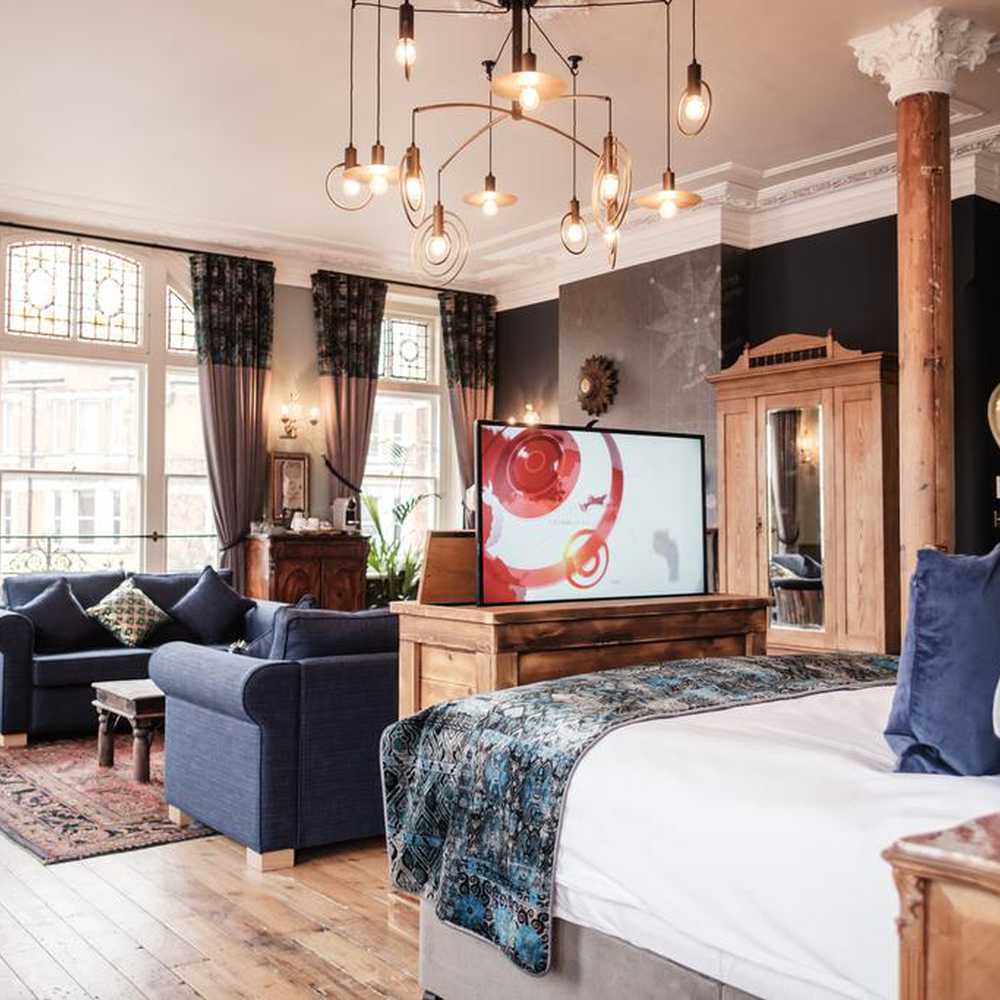
The boutique luxury hotel sector is poised for significant evolution as it responds to shifting consumer preferences and advancements in technology. As travelers increasingly seek personalized and unique experiences, the future landscape of boutique luxury hotels will likely be shaped by innovations that prioritize individuality, sustainability, and immersive experiences. To remain competitive, boutique luxury hotels will need to adapt to emerging trends and preferences.
With the rise of conscious consumerism, these establishments can leverage sustainability as a core tenet of their offerings. This involves integrating eco-friendly practices, sourcing local materials, and supporting community initiatives, which resonate with the values of modern travelers. Additionally, technology will play a pivotal role in enhancing guest experiences, allowing hotels to create tailored options that appeal to their clientele.
Innovative Concepts for Redefining Boutique Luxury Hotels
As the boutique luxury hotel sector looks to the future, several innovative concepts are emerging that could reshape the guest experience. These concepts focus on enhancing personalization, sustainability, and immersive local experiences.
1. Personalized Guest Experiences
Utilizing data analytics and AI, hotels can offer tailor-made itineraries that cater to individual preferences. Guests could receive curated recommendations for dining, activities, and wellness based on their previous stays and interactions.
2. Sustainable Practices
Implementing zero-waste policies and energy-efficient systems can attract eco-conscious travelers. For example, hotels may adopt green building materials, solar energy, and locally sourced organic produce in their restaurants.
3. Themed Suites and Unique Design
Offering themed rooms or suites that reflect local culture or art can create a memorable ambiance. Collaborating with local artists for decor or hosting rotating exhibits within the hotel can enhance the aesthetic appeal and draw in art enthusiasts.
4. Wellness Retreats
Integrating wellness into the hotel experience can attract health-focused travelers. This could involve offering on-site yoga classes, spa services with locally sourced products, or nutrition workshops that emphasize holistic well-being.
5. Culinary Experiences
Establishing partnerships with local chefs to create exclusive dining experiences can set boutique hotels apart. For instance, hosting farm-to-table dinners or wine tastings featuring local vineyards can enhance the culinary journey for guests.
6. Augmented Reality (AR) and Virtual Reality (VR)
Incorporating AR and VR technologies can offer guests immersive previews of local attractions or experiences. This innovative approach can be used for virtual tours of the hotel or nearby attractions, enhancing engagement before arrival.
7. Community-Centric Events
Hosting events that connect guests with local communities can foster a sense of belonging. Workshops, cultural festivals, or volunteer opportunities can enhance the travel experience while supporting local initiatives.
8. Flexible Workspaces
With the rise of remote work, integrating flexible workspaces within hotels can appeal to business travelers. Providing high-speed internet, meeting rooms, and comfortable workstations can cater to those blending business with leisure.Each of these concepts represents a potential avenue for boutique luxury hotels to innovate and thrive in a dynamic travel landscape, ensuring they remain relevant and appealing to discerning travelers.
FAQ Guide
What is a boutique luxury hotel?
A boutique luxury hotel is a small, stylish hotel that offers personalized services and unique design, often reflecting the local culture.
How do boutique luxury hotels differ from traditional hotels?
They differ primarily in size, ambiance, and personalized services, focusing on unique experiences rather than standard luxury.
What amenities can I expect at boutique luxury hotels?
Expect high-quality dining, personalized concierge services, wellness options, and often exclusive local experiences.
Are boutique luxury hotels more expensive than traditional hotels?
While they can be pricier, the value lies in the unique experiences and personalized services that boutique hotels offer.
Can boutique luxury hotels accommodate large groups?
Typically, they cater to smaller groups or individual travelers, but some may offer packages for larger bookings.
