Hotel fine dining redefines the culinary landscape within the hospitality industry, offering guests an extraordinary experience that goes beyond just a meal. It embodies sophistication and elegance, making it a hallmark of luxury stays. In this exploration, we will dive into the essential characteristics that distinguish fine dining from casual dining in hotels, the diverse cuisines on offer, and the elements that contribute to a truly memorable dining experience.
From meticulously crafted menus to impeccable service and ambiance, hotel fine dining creates a unique atmosphere that tantalizes the senses. Understanding these components allows guests to appreciate the art of fine dining and enhances their overall experience while staying at a hotel.
Understanding Hotel Fine Dining
Hotel fine dining represents an elevated level of culinary experience that transcends mere meals to offer guests a memorable occasion. It is a critical element of the hospitality industry, showcasing a hotel’s commitment to exceptional service, artistry in cuisine, and an overall luxurious dining experience. Fine dining not only enhances the reputation of a hotel but also contributes significantly to its revenue and guest satisfaction.The distinction between fine dining and casual dining in hotels lies primarily in the quality of service, the ambiance, and the attention to detail.
Fine dining establishments typically offer a more formal atmosphere, with elegantly set tables, high-quality tableware, and attentive service staff trained to cater to the diners’ every need. In contrast, casual dining tends to be more relaxed, featuring a simplified menu and a less formal presentation. The culinary offerings in fine dining often include gourmet dishes that emphasize artistic presentation and high-quality ingredients, setting them apart from the more straightforward preparations seen in casual venues.
Characteristics of Fine Dining
Fine dining establishments are marked by several key characteristics that define their unique offerings. These features contribute to an overall luxurious experience for diners.
- Exceptional Quality of Food: Fine dining menus focus on high-quality ingredients, often sourced from local or premium suppliers, with an emphasis on seasonal and fresh items.
- Professional Service: Servers in fine dining settings are trained to provide attentive and knowledgeable service, often engaging with guests to enhance their experience.
- Elegant Ambiance: The atmosphere is carefully curated, often including upscale décor, soft lighting, and beautiful presentations to create a sophisticated environment.
- Innovative Presentation: Dishes are not just meals; they are works of art, with meticulous attention given to plating and visual appeal.
- Extensive Wine and Beverage Lists: Fine dining restaurants usually offer a curated selection of wines and cocktails that complement the menu, enhancing the culinary experience.
Types of Cuisines Offered
Hotel fine dining establishments often feature a diverse array of cuisines that cater to various tastes and preferences. This variety not only broadens the appeal of the dining experience but also reflects the hotel’s commitment to culinary excellence.
- French Cuisine: Known for its classic techniques and rich flavors, French fine dining often includes dishes such as Coq au Vin and luxurious desserts like Crème Brûlée.
- Italian Cuisine: Characterized by its use of fresh ingredients and vibrant flavors, Italian fine dining showcases dishes like Risotto and elaborate pasta creations.
- Japanese Cuisine: Fine dining in Japanese cuisine focuses on artistry and presentation, featuring sushi, sashimi, and kaiseki meals that highlight seasonal ingredients.
- Modern American Cuisine: This category combines traditional techniques with contemporary flavors, often showcasing local ingredients and innovative preparation methods.
- Mediterranean Cuisine: Emphasizing freshness and healthy ingredients, Mediterranean fine dining often includes dishes such as grilled seafood, mezze platters, and aromatic spices.
Components of a Fine Dining Experience
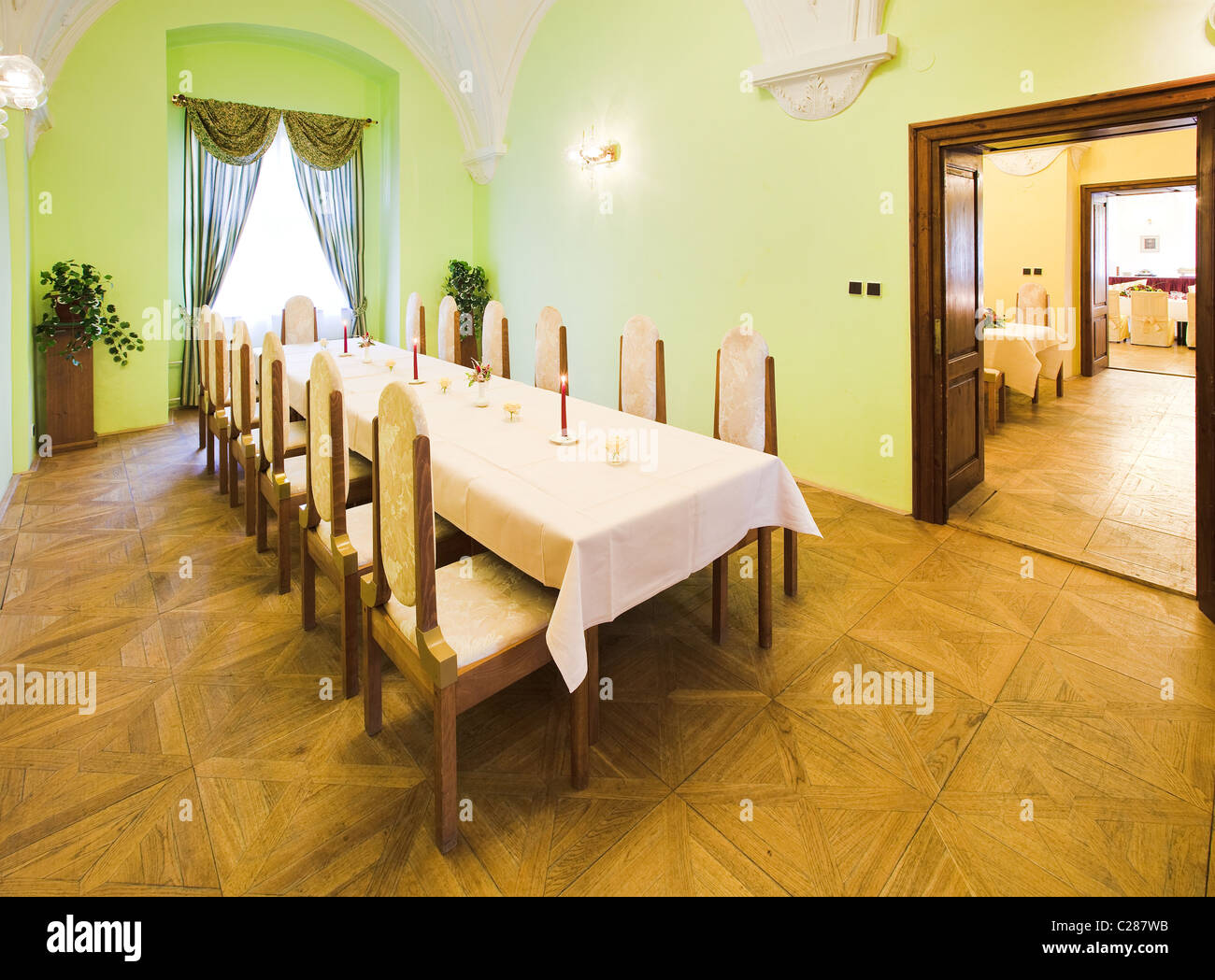
A fine dining experience in hotels goes beyond just the food served; it encompasses a blend of exceptional service, exquisite ambiance, and meticulous attention to detail. Various components work together to create an unforgettable experience for guests, elevating the ordinary meal into something truly special. The essential elements of fine dining include not only the culinary offerings but also the atmosphere, service quality, and overall presentation.
Each of these facets plays a significant role in delivering a holistic dining experience that satisfies not just the palate but also the senses and emotions of guests.
Essential Elements of Fine Dining
The following components are critical to achieving a superior fine dining experience:
- High-Quality Ingredients: The foundation of any fine dining experience is the use of fresh, premium ingredients. This commitment to quality is evident in every dish, ensuring that flavors are authentic and vibrant.
- Expert Preparation: Culinary techniques and methods are meticulously applied, often with an artistic flair. This level of craftsmanship not only enhances flavor but ensures visual appeal.
- Impeccable Service: Staff members are trained to provide attentive yet unobtrusive service. Their knowledge about the menu and ability to anticipate guest needs contribute significantly to the dining experience.
- Presentation: The visual presentation of food plays a vital role. Dishes are often arranged artistically, transforming each plate into a work of art that enhances the overall experience.
- Wine Pairing: Expertly curated wine selections complement the menu, enhancing the flavors of the dishes and providing guests with a comprehensive dining experience.
Services and Staff Roles in Fine Dining
The seamless integration of various services and the professionalism of the staff are vital for a successful fine dining experience. Below is an overview of expected services and staff roles that contribute to the fine dining setting:
- Host/Hostess: Responsible for greeting guests, managing reservations, and ensuring a welcoming atmosphere.
- Sommelier: A wine expert who advises guests on wine selections, ensuring perfect pairings with their meals.
- Servers: Trained to provide personalized service, they take orders, serve dishes, and cater to specific guest needs.
- Bus Staff: Assist servers by clearing tables and ensuring that dining areas remain clean and well-organized.
- Chefs: Culinary artists who prepare dishes with precision, often taking the lead in creating menus that reflect seasonal ingredients.
Importance of Ambiance, Decor, and Table Arrangements, Hotel fine dining
The ambiance of a fine dining restaurant significantly influences the overall experience. Factors such as decor, lighting, and table arrangements contribute to a refined atmosphere that enhances the dining experience.
- Lighting: Soft, dim lighting creates an intimate atmosphere, allowing guests to feel relaxed and comfortable during their meal.
- Decor: The choice of art, furniture, and color schemes reflect the restaurant’s theme and ethos, making the environment visually appealing.
- Table Arrangements: Tables are meticulously set with high-quality linens, elegant tableware, and proper spacing to ensure privacy while maintaining an upscale vibe.
- Scent: Subtle fragrances in the air can enhance the dining experience, often correlating with the cuisine being served.
“A fine dining experience is an orchestrated event where each component plays a crucial role in creating a memorable evening.”
Menu Design and Culinary Offerings
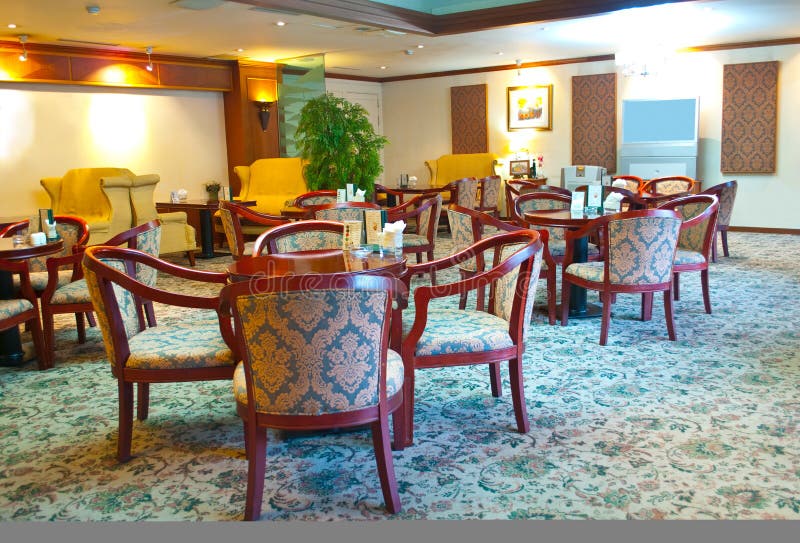
The creation of a fine dining menu is a sophisticated art form, blending creativity with culinary excellence. A well-designed menu not only showcases the chef’s culinary prowess but also reflects the ethos of the hotel, its location, and its philosophy towards food. With a focus on high-quality ingredients, an engaging menu can elevate the dining experience to memorable heights.A thoughtfully crafted menu plays a pivotal role in creating a fine dining experience.
It should resonate with the theme of the restaurant while also considering customer preferences and seasonal availability. Seasonal ingredients and local sourcing are central to this process, ensuring that dishes are fresh, flavorful, and reflective of the region’s culinary heritage.
Sample Fine Dining Menu
A fine dining menu typically consists of carefully curated selections across multiple courses, designed to create a harmonious and luxurious dining experience. Below is a sample menu that showcases a variety of flavors and techniques:
Appetizers
Seared Scallops with Citrus Foam
Perfectly seared scallops accompanied by a light citrus foam and microgreens.
Wild Mushroom Risotto
Creamy arborio rice cooked with wild mushrooms, finished with truffle oil and parmesan shavings.
Beet Carpaccio
Thinly sliced roasted beets served with goat cheese, walnuts, and a balsamic reduction.
Main Courses
Herb-Crusted Rack of Lamb
Tender rack of lamb coated with a herb crust, served with rosemary-infused jus and seasonal vegetables.
Pan-Seared Duck Breast
Juicy duck breast served with a cherry reduction sauce and a side of roasted root vegetables.
Grilled Atlantic Salmon
Fresh salmon fillet grilled to perfection, paired with asparagus and saffron risotto.
Desserts
Chocolate Fondant
Decadent molten chocolate cake served with vanilla bean ice cream and raspberry coulis.
Lemon Tart
Zesty lemon tart with a buttery crust, garnished with fresh berries and a dollop of whipped cream.
Cheese Platter
A selection of local and international cheeses served with artisanal crackers and seasonal fruit.
Role of Seasonal Ingredients and Local Sourcing
Incorporating seasonal ingredients and local sourcing into the menu design is essential for enhancing flavor, sustainability, and the overall dining experience. Seasonal ingredients are typically at their peak freshness and flavor, which improves the quality of the dishes served.Utilizing local produce not only supports regional farmers and reduces the carbon footprint associated with transporting food but also helps create a unique culinary identity that reflects the local culture.
Many fine dining establishments collaborate with local farms and artisanal producers to obtain the freshest ingredients, crafting menus that highlight the best of the season.
Food and Beverage Pairing Insights
Pairing food with wines and other beverages is an art that can significantly enhance a fine dining experience. The right beverage complements the flavors of the dish, elevating the overall sensory enjoyment. When designing a beverage pairing strategy, consider the following principles:
- Contrast and Complement: Light dishes, such as seafood, pair well with crisp white wines, while richer dishes, like red meats, are complemented by full-bodied red wines.
- Regional Pairing: Foods and wines from the same region often share flavor profiles, enhancing the overall dining experience.
- Balance: Ensure the acidity, tannins, and sweetness in the wine balance well with the flavors of the dish, creating a harmonious taste.
“The right pairing can transform a good meal into an unforgettable dining experience.”
Through thoughtful menu design, a focus on seasonal ingredients, and skilled pairing of beverages, a fine dining establishment can create a memorable culinary journey for its guests, setting itself apart in a competitive hospitality landscape.
Customer Experience and Expectations

In hotel fine dining, the guest experience is paramount, shaping their perception of the establishment and influencing their likelihood of return. Guests expect not just a meal but an immersive experience that tantalizes the senses and meets high standards of service. Understanding these expectations is crucial for hotels aiming to excel in fine dining.The expectations of guests dining in hotel fine dining restaurants encompass several key areas, including exceptional service, a refined ambiance, and exquisite culinary offerings.
Guests anticipate a level of attentiveness and professionalism from the staff that aligns with the premium pricing of the menu. This includes personalized service, where staff members can provide recommendations based on individual preferences, and a detailed knowledge of the menu, including ingredients and preparation methods. The environment plays a significant role, with patrons expecting an elegant and comfortable setting that enhances their dining experience.
Management of Customer Feedback
Feedback is essential in the fine dining sector, as it provides insights into guest satisfaction and areas for improvement. Managing customer feedback effectively can significantly enhance dining experiences. Various methods can be employed to solicit and respond to feedback, including:
- Post-dining surveys—offering guests a chance to share their experiences anonymously can yield honest insights.
- Staff training—ensuring staff are equipped to handle complaints with grace and professionalism can turn a potentially negative experience into a positive one.
- Online reviews—actively monitoring platforms like TripAdvisor or Yelp helps in identifying trends in guest satisfaction and areas needing attention.
- Direct communication—encouraging guests to share their thoughts in-person enhances the personal touch and shows that the establishment values their opinions.
Establishments should view feedback as a tool for continuous improvement. By analyzing this feedback, hotels can adjust their service offerings and enhance the overall dining experience, ensuring that they meet or exceed guest expectations.
Service Styles in Hotel Fine Dining
The service style in hotel fine dining can significantly impact the guest experience, and two popular approaches are à la carte and tasting menus. Each style offers unique benefits and caters to different dining preferences.The à la carte style allows guests to choose individual dishes from the menu, offering flexibility and personalization. This approach appeals to diners who may have specific preferences or dietary restrictions.
Guests appreciate the ability to create their own multi-course experience tailored to their tastes.In contrast, tasting menus provide a curated selection of dishes designed to offer a comprehensive sampling of the chef’s culinary skills. This style is particularly popular among patrons looking for a gastronomic adventure, as each course is meticulously crafted to highlight different flavors and techniques. This structured experience often creates a narrative through the meal, engaging guests in a storytelling format around the dining experience.Both service styles have their place in a hotel fine dining context and can be employed based on target demographics and the culinary vision of the establishment.
“A memorable dining experience is about exceeding expectations at every turn, from the food to the service.”
Marketing Strategies for Fine Dining Hotels
Attracting guests to hotel fine dining restaurants involves a blend of creative marketing strategies that cater to the sophisticated tastes of potential diners. The focus should be on not just promoting the food, but also the overall experience that a fine dining establishment provides. Effective marketing techniques can create a buzz and entice guests to experience the culinary offerings firsthand.
One key aspect in marketing fine dining hotels is to leverage unique promotional events and themed dining experiences that resonate with the target audience. These experiences can draw in crowds and create memorable moments that guests will want to share.
Effective Marketing Techniques
To effectively attract guests, various marketing techniques can be employed that enhance visibility and appeal to the fine dining audience. Here are some notable strategies:
- Exclusive Tasting Events: Organizing exclusive tasting events featuring a selection of signature dishes allows guests to sample the menu in a sophisticated setting. This creates a sense of urgency and exclusivity, encouraging reservations.
- Partnership with Local Influencers: Collaborating with local food bloggers or influencers can amplify reach. These individuals can showcase their dining experiences, providing authentic endorsements that reach a wider audience.
- Seasonal Promotions: Crafting promotions around holidays or local events can enhance guest interest. For instance, offering a special Valentine’s Day menu can attract couples looking for a romantic dining experience.
- Loyalty Programs: Implementing a loyalty program rewards repeat customers, encouraging them to return for more experiences. This could include exclusive invitations to special events or complimentary dishes.
Promotional Events and Themed Dining Experiences
Creating themed events or unique dining experiences can transform an ordinary dining night into something extraordinary. These themes not only attract new guests but also encourage repeat visits for future events.
- Chef’s Table Experiences: Offering an intimate dining experience where guests can interact with the chef and learn about the culinary process can be appealing. This personal touch enhances the dining experience.
- Cultural Cuisine Nights: Hosting special nights that focus on specific cultural cuisines can draw in guests interested in diverse culinary experiences, such as an Italian night featuring authentic dishes and wine pairings.
- Wine Pairing Dinners: Organizing wine pairing dinners where each course is paired with a selected wine can attract connoisseurs and elevate the dining experience.
- Themed Holiday Celebrations: Crafting special menus and decor for holidays such as Thanksgiving or Christmas adds a festive flair that resonates with guests looking for celebratory dining options.
Online Reviews and Social Media Influence
In today’s digital age, online reviews and social media play a crucial role in shaping perceptions of fine dining options. Guest feedback can significantly influence new customers, making it imperative to manage this aspect effectively.
- Encouraging Reviews: Actively encouraging satisfied guests to leave positive reviews on platforms like Yelp or TripAdvisor can enhance the restaurant’s reputation and attract new visitors.
- Engaging Social Media Content: Regularly posting high-quality images of dishes, behind-the-scenes videos, and guest testimonials on social media platforms can create an engaging online presence. It invites potential guests to envision their dining experience.
- Responding to Feedback: Responding promptly and professionally to both positive and negative reviews demonstrates commitment to customer satisfaction, building trust with potential guests.
- Utilizing User-Generated Content: Sharing posts from guests who tag the restaurant in their dining experiences can create authentic content that promotes the restaurant organically.
Trends in Hotel Fine Dining
The fine dining sector within hotels is experiencing a transformative phase, driven by evolving consumer preferences and the necessity for sustainability. As diners become more conscious of their choices, hotels are adapting to incorporate trends that resonate with a modern audience, ensuring that their culinary offerings remain relevant and appealing. This section delves into some of the most significant trends shaping the fine dining landscape within hotels today.
Sustainability and Plant-Based Menus
Sustainability has become a cornerstone of fine dining, with hotels increasingly adopting eco-friendly practices to attract environmentally conscious guests. This trend manifests through various initiatives, from sourcing locally grown ingredients to minimizing food waste. Furthermore, the rise of plant-based menus reflects a broader cultural shift towards healthier eating habits and environmental responsibility. Hotels are now offering gourmet vegan and vegetarian options that not only satisfy dietary restrictions but also provide an exquisite dining experience.
Many establishments have introduced seasonal menus that highlight local produce, ensuring freshness while supporting local farmers. For instance, a luxury hotel in California may feature a plant-based tasting menu that includes dishes like roasted heirloom beets, quinoa salad with seasonal vegetables, and a dairy-free chocolate mousse.
Impact of Technology on Fine Dining Experience
Technology is reshaping the fine dining experience, making it more efficient and convenient for both guests and staff. Innovations such as online reservations and digital menus are streamlining the dining process, enhancing customer satisfaction.Many hotels have adopted reservation systems that allow guests to book tables through their websites or apps, reducing wait times and providing instant confirmation. Digital menus, often accessible via QR codes, not only offer detailed descriptions of dishes but also allow for real-time updates based on ingredient availability.
Implementing these technologies enhances the overall dining experience, making it seamless and user-friendly.
“Technology in fine dining is not just about convenience; it’s about creating an interactive and personalized experience for guests.”
Innovative Hotel Strategies in Fine Dining
To remain competitive, hotels are embracing innovative strategies that set them apart in the fine dining market. One notable approach is the integration of culinary experiences with local culture and heritage, where chefs collaborate with local artisans to create unique dishes that reflect the region’s identity. Additionally, themed dining events and chef’s table experiences are gaining traction, providing guests with exclusive access to culinary creations paired with personalized service.
For example, a hotel might host a wine pairing dinner featuring a renowned sommelier or an interactive cooking class led by the head chef, offering guests a chance to engage more deeply with their dining experience.Moreover, many hotels are focusing on creating immersive dining environments that enhance the overall ambiance. This could include live music performances, art installations, or outdoor dining spaces that capitalize on scenic views.
Such strategies not only elevate the dining experience but also encourage guests to share their experiences on social media, effectively serving as organic marketing.
FAQ Guide: Hotel Fine Dining
What attire is typically expected for hotel fine dining?
Guests are generally expected to wear smart casual or formal attire, depending on the hotel’s dress code.
Are reservations necessary for hotel fine dining?
Yes, it is advisable to make reservations to ensure a table, especially during peak dining times.
Can dietary restrictions be accommodated in hotel fine dining?
Most fine dining restaurants are happy to accommodate dietary restrictions if informed in advance.
What is the typical dining duration for a fine dining experience?
A fine dining meal can take anywhere from 1.5 to 3 hours, allowing guests to savor each course.
Is tipping expected in hotel fine dining establishments?
Tipping is generally expected, with 15-20% being customary, unless a service charge is already included.
