Executive hotel suites are the epitome of luxury and convenience, tailored specifically for business travelers and executives seeking comfort and productivity during their stay. These suites offer an impressive blend of spaciousness, sophisticated design, and top-notch amenities that elevate the guest experience beyond the ordinary hotel room.
From enhanced privacy to exclusive services, executive suites cater to the unique needs of professionals on the move, ensuring a restful environment where work and relaxation seamlessly intertwine.
Definition and Features of Executive Hotel Suites
Executive hotel suites are premium accommodations designed to provide enhanced comfort and functionality for business travelers and discerning guests. These suites offer a higher level of privacy and convenience, making them ideal for those who require a workspace away from home or need to host meetings without leaving their lodging. The design and amenities are tailored to support productivity while ensuring a luxurious experience.Common features of executive hotel suites include spacious layouts, separate living and sleeping areas, and superior furnishings.
These suites typically boast amenities that cater to both leisure and business needs. Below is a detailed look at the distinctive characteristics of executive hotel suites and how they differ from standard hotel rooms.
Common Features and Amenities, Executive hotel suites
The amenities found in executive hotel suites significantly enhance the guest experience, making them more appealing than standard accommodations. These features often include:
- Separate Living Area: Executive suites usually include a dedicated living room, providing a comfortable space for relaxation or informal meetings.
- Upgraded Furnishings: High-quality furniture, including plush sofas and ergonomic workstations, create a more inviting atmosphere.
- Kitchenette or Full Kitchen: Many suites offer kitchen facilities, allowing guests to prepare meals during their stay, which is particularly convenient for long-term visitors.
- Enhanced Technology: Features such as high-speed Wi-Fi, multiple flat-screen TVs, and advanced audio-visual systems cater to the tech-savvy traveler.
- Luxury Bathrooms: Executive suites often feature larger bathrooms with premium fixtures, soaking tubs, and separate showers, enhancing the overall relaxation experience.
- Access to Executive Lounges: Many hotels provide exclusive access to executive lounges, offering complimentary breakfast, evening cocktails, and business services.
The distinction between standard hotel rooms and executive suites is evident in both the space and the amenities offered. While standard rooms provide essential accommodations for a comfortable stay, executive suites focus on delivering a tailored experience that meets the specific demands of business travelers and guests seeking more luxurious surroundings.
“Executive hotel suites redefine the concept of hospitality, merging comfort with functionality to cater to the elite traveler.”
Target Audience for Executive Hotel Suites

Executive hotel suites are designed with a specific clientele in mind, primarily catering to business travelers and high-level executives. This segment of the hospitality market recognizes the unique needs and expectations of guests who require not just accommodations but a productive and comfortable environment during their stay. These suites are crafted to provide an upscale experience that aligns with the demands of modern professionals.Understanding the specific needs and expectations of guests staying in executive suites is crucial for delivering exceptional service.
Business travelers often prioritize amenities that enhance productivity, such as reliable high-speed internet, spacious work areas, and access to meeting facilities. Additionally, they value convenience features like 24-hour room service, fitness centers, and easy access to transportation. Executive suites are typically equipped with luxurious furnishings and modern technology to ensure guests can work efficiently while enjoying their stay.
Profile of an Ideal Guest for Executive Hotel Suites
Creating a profile of an ideal guest for executive hotel suites involves considering various demographic factors and preferences. The typical guest in this category tends to be a professional, often between the ages of 30 and 55. These individuals are likely to hold positions in management, consulting, finance, or technology sectors, where travel for business is routine.The following characteristics define the ideal guest profile:
- Age: Predominantly between 30 and 55 years old, indicating established careers.
- Income Level: High-income earners, often with salaries exceeding $100,000, reflecting their professional status.
- Travel Frequency: Regular travelers, often embarking on trips several times a month for meetings, conferences, or corporate events.
- Expectations: Seeking comfort and luxury, with a strong emphasis on services that support their business needs, such as private meeting rooms and concierge services.
- Preferences: Favoring hotels that offer loyalty programs, upscale dining options, and wellness amenities that allow them to maintain their lifestyle while traveling.
This ideal guest profile highlights the importance of understanding the unique preferences of business travelers. It emphasizes the need for hotels to tailor their offerings to meet the expectations of this clientele, ensuring that every aspect of their stay contributes to their overall experience and satisfaction.
Benefits of Staying in Executive Hotel Suites
Staying in executive hotel suites presents a unique opportunity for travelers seeking a blend of luxury, comfort, and functionality. These suites are designed to cater to the needs of business professionals and discerning guests, making them a preferred choice for those who value their experience during their stay. The advantages that come with booking an executive suite go beyond mere accommodation, offering a wealth of benefits that enhance the overall travel experience.One of the key advantages of executive hotel suites is the enhanced privacy and exclusivity they provide.
Guests can enjoy a serene environment, away from the hustle and bustle typical of standard hotel rooms. This level of privacy is particularly beneficial for business travelers who may need to conduct meetings or phone calls in a quiet setting. Moreover, many executive suites are located in separate hotel wings or floors, ensuring that guests can retreat to their own space without interruption.
Added Services and Perks
Executive hotel suites often come with a range of additional services and perks that elevate the overall experience. These amenities are tailored to meet the specific needs of high-end travelers, enhancing convenience and comfort. Some notable services include:
- Concierge Services: Dedicated staff members are available to assist with a variety of tasks, from making restaurant reservations to arranging transportation. This personalized service allows guests to focus on their priorities without getting bogged down by logistics.
- Access to Exclusive Lounges: Many executive suites provide entry to private lounges where guests can enjoy complimentary refreshments, workspaces, and networking opportunities with other professionals.
- Upgraded In-Room Amenities: These suites often feature luxurious furnishings, spacious layouts, and high-end technology, such as large flat-screen TVs and high-speed internet access, ensuring both comfort and productivity.
- Complimentary Breakfast and Other Meals: Guests may receive complimentary breakfast services or access to exclusive dining options, enhancing the overall value of their stay.
In summary, the benefits of staying in executive hotel suites significantly enhance the travel experience, offering not only a luxurious living space but also a suite of services designed for those who appreciate the finer things in life. The combination of privacy, exclusivity, and tailored services makes these accommodations an attractive choice for both business and leisure travelers alike.
Pricing and Value Proposition
The pricing for executive hotel suites varies significantly based on location, luxury level, and specific amenities offered. Typically, these suites are positioned at a higher price point than standard hotel rooms, reflecting the exclusive features and services they provide. Understanding this pricing structure is essential for potential guests seeking both value and comfort during their stay.In major cities like New York or London, the cost of an executive suite can range from $300 to upwards of $1,000 per night, depending on the hotel’s prestige and the suite’s offerings.
For instance, a mid-range hotel may charge around $400 per night, while a luxury hotel might command $800 or more. Conversely, in smaller cities or less tourist-heavy areas, the costs tend to be lower, ranging from $150 to $500 per night.
Comparison of Costs
When comparing executive hotel suites to other types of accommodations, it becomes clear that the additional cost is justified by the enhanced features and services provided. Here are some key comparisons:
- Standard Hotel Rooms: Typically, the price for standard rooms averages between $100 and $300 per night, lacking the extra space and tailored services of executive suites.
- Deluxe Rooms: Deluxe rooms, which offer some upgraded amenities compared to standard rooms, generally fall within the $200 to $400 range, still offering less in terms of luxury than executive suites.
- Vacation Rentals: Rental options like Airbnb may provide larger spaces at competitive prices, usually starting around $100 per night, but often lack hotel services such as daily housekeeping and concierge support.
The pricing structure illustrates that while executive suites are a premium option, guests receive enhanced value through additional services and amenities.
Value Proposition Analysis
The value proposition of executive hotel suites is characterized by the unique blend of luxury, comfort, and convenience they offer. Key elements that contribute to this value include:
- Exclusive Amenities: Executive suites often feature high-end furnishings, spacious living areas, and luxurious bathrooms, which contribute to an elevated guest experience.
- Personalized Services: Guests in these suites may benefit from dedicated concierge services, which can assist with everything from booking restaurant reservations to arranging local excursions.
- Business Facilities: Many executive suites are equipped with business amenities such as meeting rooms, high-speed internet, and office supplies, catering particularly to business travelers.
- Privacy and Comfort: The larger space and upscale decor create a more comfortable environment, ideal for both relaxation and work.
- Complimentary Perks: Guests may receive complimentary breakfast, access to exclusive lounges, and other benefits that enhance their overall stay.
“Investing in an executive hotel suite not only assures a superior stay but also provides a holistic travel experience tailored to the needs of discerning travelers.”
The investment in an executive suite signifies a commitment to quality, convenience, and personalized service, making it a worthwhile choice for those seeking an exceptional lodging experience.
Popular Locations for Executive Hotel Suites
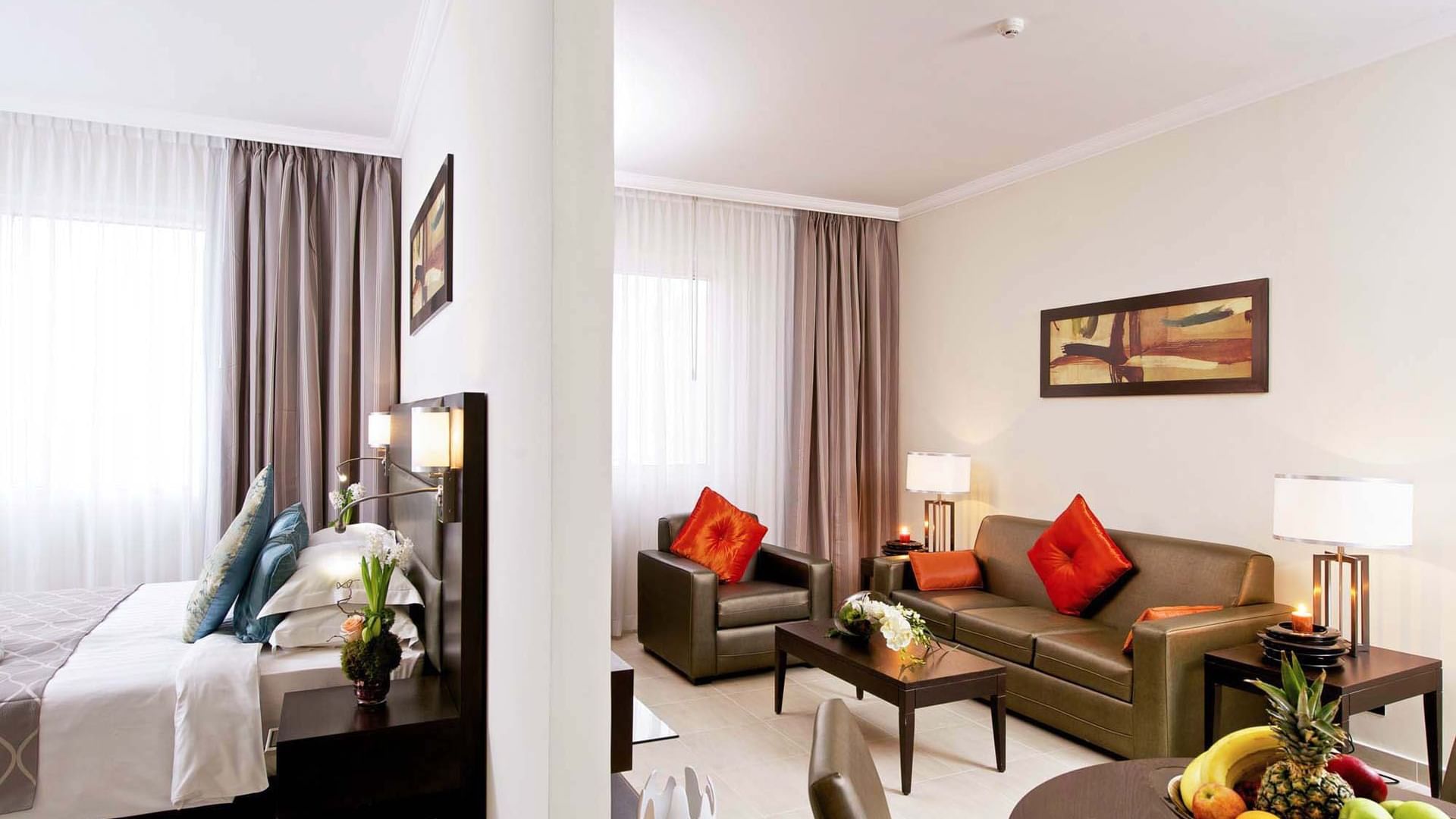
In the realm of business travel, the choice of accommodation can significantly impact the overall experience. Executive hotel suites, designed specifically for business travelers, offer a unique blend of comfort, functionality, and luxury. Major cities around the world have emerged as prime locations for these high-quality suites, catering to professionals seeking both convenience and an upscale environment for their stays.Several factors contribute to the popularity of specific locations for business travelers.
Proximity to major business districts, ease of access to transportation hubs, and the availability of essential amenities are key considerations that influence the decision-making process. Below is a list of major cities renowned for their executive hotel suites, along with well-rated hotels that exemplify quality and service in this niche.
Major Cities with High-Quality Executive Hotel Suites
The following cities are recognized for their exceptional executive hotel suites, providing a conducive environment for business travelers:
- New York City, USA: Home to iconic hotels like The Conrad New York Downtown and The Westin New York at Times Square, NYC is a bustling hub for international business.
- London, UK: The Hilton London Bankside and The Shangri-La Hotel at The Shard offer sophisticated executive suites in a city rich with history and commerce.
- Tokyo, Japan: The Park Hyatt Tokyo and The Ritz-Carlton Tokyo are known for their exemplary service and modern amenities in this dynamic metropolis.
- Singapore: The Marina Bay Sands and The Fullerton Hotel provide luxurious suites with breathtaking views that appeal to discerning business travelers.
- Dubai, UAE: The Burj Al Arab and The Address Downtown offer opulent executive suites, emphasizing a blend of luxury and business functionality.
The cities listed above not only feature high-quality executive hotel suites but also have well-established infrastructure to support business activities. Factors such as local networking opportunities, a vibrant dining scene, and cultural attractions further enhance their appeal to business travelers.
Proximity to major business districts and essential amenities are crucial for attracting business travelers to specific locations.
Design and Aesthetics of Executive Hotel Suites
The design and aesthetics of executive hotel suites play a critical role in enhancing the overall experience for guests. These suites are not merely places to stay; they are meticulously crafted environments that blend comfort, style, and functionality. The fusion of luxury design elements and thoughtful layouts creates an inviting atmosphere that caters to the needs of discerning travelers.Interior design elements commonly found in executive hotel suites include high-quality furnishings, sophisticated color palettes, and carefully selected artwork.
Plush king-size beds with premium linens are often central to the suite, accompanied by ergonomic seating areas that invite relaxation and productivity. Opulent touches like marble countertops, hardwood floors, and ambient lighting contribute to an upscale feel. The use of neutral colors, accented by rich hues and textures, creates a harmonious balance that appeals to a wide range of tastes.
Impact of Aesthetics on Guest Experience
The aesthetics of executive hotel suites significantly influence the guest experience by establishing an atmosphere that aligns with the expectations of luxury. Thoughtful design can evoke feelings of relaxation, productivity, and even inspiration, directly affecting how guests perceive their stay.Key elements that influence guest experience include:
- Lighting: Natural light combined with adjustable artificial lighting can create an inviting ambiance, enhancing mood and comfort.
- Space Layout: Open layouts allow for easy movement and accessibility, fostering a sense of freedom and comfort.
- Personal Touches: Customized décor that reflects local culture can make guests feel more connected to their environment.
- Technology Integration: Modern executive suites often feature smart technology, such as automated lighting and climate control, which enhances convenience and luxury.
The influence of aesthetics extends to how guests utilize the space. A well-designed suite encourages productivity, making it easier for business travelers to balance work and relaxation. In contrast, a poorly designed suite can lead to discomfort and dissatisfaction, highlighting the importance of thoughtful design.
Design Styles Across Various Hotel Chains
Different hotel chains often adopt distinctive design styles for their executive suites, each contributing to a unique guest experience. Here’s a comparison of a few notable designs:
| Hotel Chain | Design Style | Signature Features |
|---|---|---|
| Marriott | Modern Elegance | Clean lines, muted color palettes, and functional layouts; often incorporates local art. |
| Hilton | Contemporary Chic | Luxurious fabrics, bold accents, and tech-friendly environments that blend comfort with innovation. |
| Hyatt | Urban Sophistication | Modern décor with an emphasis on sustainability; open spaces that invite collaboration and relaxation. |
| Ritz-Carlton | Classic Luxury | Rich textures, opulent furniture, and timeless design elements that exude elegance and refinement. |
Each of these styles reflects the brand’s identity while catering to the tastes and preferences of their target audience. As guests choose where to stay, the aesthetic appeal of executive suites becomes a defining factor in their decision-making process.
Technology and Amenities in Executive Hotel Suites
Executive hotel suites are designed to cater to the modern traveler, especially business professionals and executives who require both comfort and functionality. The incorporation of advanced technology and a wide array of amenities creates an environment conducive to productivity and relaxation, ensuring that guests can perform at their best while away from home.The technological advancements in executive hotel suites are pivotal in enhancing the guest experience.
Smart room controls allow guests to manage lighting, temperature, and entertainment systems with ease. Voice-activated assistants and mobile applications enable seamless integration of personal devices with room features, creating an intuitive living space. High-speed internet is a critical component, as it supports business activities such as video conferencing, research, and secure communications. Additionally, dedicated business facilities, including meeting rooms and printing services, further enhance the functionality of these suites.
Essential Amenities Checklist for Executive Suites
To ensure that guests have a comprehensive and efficient stay, executive hotel suites should feature a range of essential amenities. These amenities not only contribute to comfort but also support the needs of business travelers. Below is a checklist of crucial amenities that should be available:
- Smart Room Controls: Automated systems for lighting, temperature, and entertainment.
- High-Speed Internet: Reliable and fast internet access for uninterrupted productivity.
- Workspace: A dedicated desk or area with ergonomic seating, ample power outlets, and good lighting.
- Business Center Access: Facilities with printing, copying, and scanning capabilities.
- Teleconferencing Equipment: Options for video calls, including high-definition screens and audio systems.
- In-Room Entertainment: Flat-screen TVs with streaming capabilities and a selection of channels.
- Kitchenette or Mini-Bar: Options for light meals or refreshments on demand.
- Luxurious Bedding: High-quality linens and pillows for a restful sleep experience.
- Fitness Facilities: Access to a gym or in-room fitness equipment for maintaining wellness routines.
- Concierge Services: Assistance with travel arrangements, dining reservations, and local recommendations.
This comprehensive list illustrates the essential amenities that executive hotel suites should offer to meet the expectations of discerning guests, ensuring a comfortable and productive stay.
Customer Feedback and Reviews
Customer feedback plays a crucial role in evaluating the quality and appeal of executive hotel suites. Reviews from guests provide insights into their experiences, highlighting what works well and what areas may need improvement. Understanding these perspectives helps hotels enhance their offerings and tailor services to meet customer expectations.Common themes found in customer reviews often revolve around the overall quality of service, comfort, and amenities available in executive hotel suites.
Guests frequently mention specific aspects that enhance their stay, which can significantly influence their decision to return or recommend the hotel to others.
Common Themes in Customer Reviews
When analyzing customer reviews, certain themes often emerge, reflecting the aspects that guests appreciate or criticize. The following points summarize the most frequently mentioned themes:
- Exceptional Service: Many guests rave about the attentive and friendly staff, who go above and beyond to ensure a comfortable stay.
- Spacious and Well-Designed Suites: The ample space and thoughtful layout of the suites are frequently highlighted, allowing for relaxation and productivity.
- High-Quality Amenities: Guests often express satisfaction with the luxurious amenities such as upscale toiletries, high-end electronics, and comfortable bedding.
- Convenient Locations: The strategic positioning of many executive hotel suites in business districts or near major attractions garners positive remarks from travelers.
- Quiet and Peaceful Environment: Many reviews note the tranquility of the suites, providing a peaceful escape from the hustle and bustle of the city.
Collecting and Analyzing Guest Feedback
To continuously improve the guest experience, it is vital for hotels to implement effective methods for collecting and analyzing feedback. Regularly engaging with guests through surveys, feedback forms, and online review platforms can provide valuable insights into their experiences.A systematic approach to analyzing this feedback can involve:
- Surveys: Creating short, focused surveys that guests can complete during or after their stay helps gather specific information on various aspects of their experience.
- Online Reviews: Monitoring platforms like TripAdvisor or Google Reviews can help hotels understand common sentiments and identify recurring issues or praises.
- Social Media Engagement: Actively engaging with guests on social media platforms allows hotels to gather informal feedback and address concerns in real-time.
- Focus Groups: Organizing focus groups with past guests can provide deeper insights into their preferences and expectations.
By utilizing these methods, hotels can create a feedback loop that fosters continuous improvement and enhances overall guest satisfaction.
Future Trends in Executive Hotel Suites
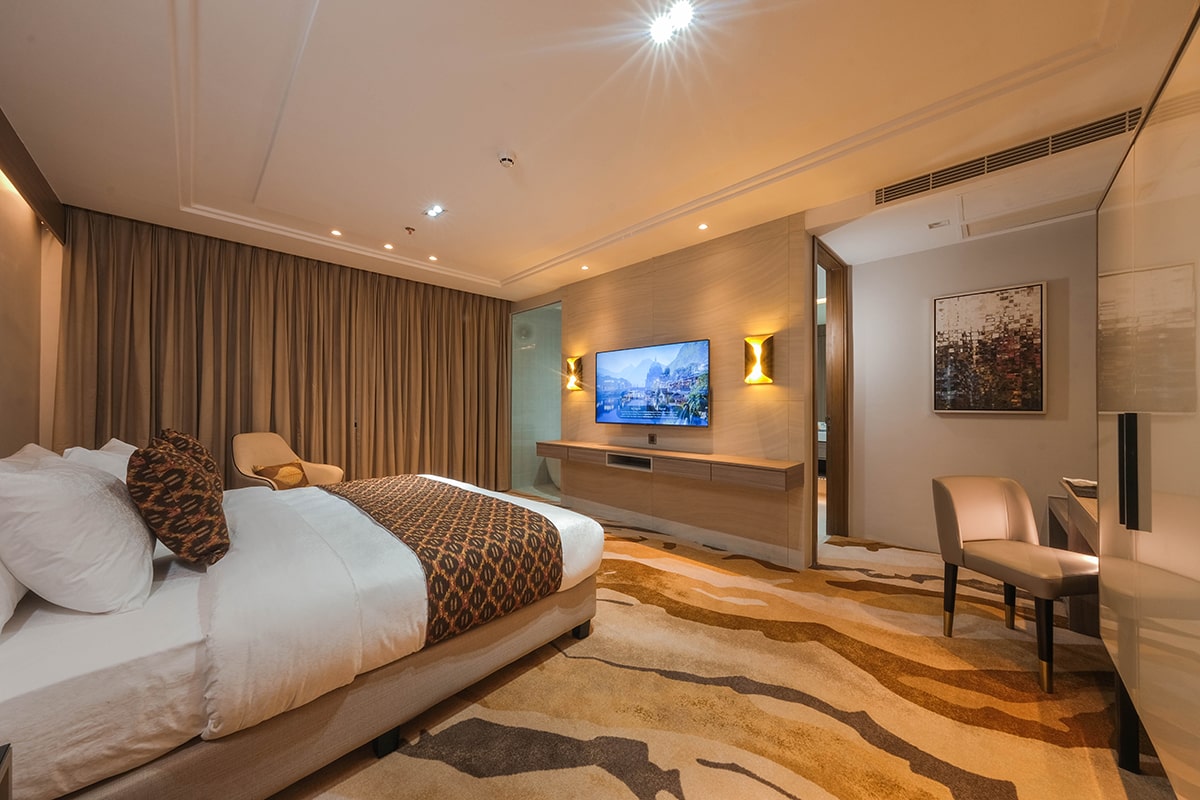
As the hospitality industry continues to evolve, executive hotel suites are adapting to meet the ever-changing expectations of discerning travelers. The emphasis is shifting towards creating not just a space to stay, but an experience that caters to the needs of business professionals and leisure travelers alike. This transformation is driven by advancements in technology, design innovations, and a deeper understanding of guest preferences.The design and features of executive hotel suites are being reimagined to enhance comfort, functionality, and style.
This includes incorporating elements that promote wellness, sustainability, and advanced technology, ensuring that guests have everything they need for both work and relaxation at their fingertips.
Emerging Design and Feature Trends
In response to the evolving landscape of travel, the following trends are shaping the future of executive hotel suites:
- Flexible Space Configurations: Suites are being designed with movable furniture that allows guests to reconfigure layouts for meetings or leisure activities, catering to varied needs.
- Biophilic Design: Incorporating natural elements such as plants, natural light, and organic materials to enhance well-being and reduce stress.
- Smart Technology Integration: The use of voice-activated assistants, smart thermostats, and automated lighting systems is becoming commonplace, providing guests with complete control over their environment.
- Health and Wellness Amenities: Features like yoga mats, meditation spaces, and in-room fitness equipment cater to the growing focus on wellness among travelers.
- Eco-Friendly Practices: Sustainable materials, energy-efficient appliances, and water conservation measures are increasingly integrated into the design to attract environmentally conscious guests.
Adapting to Changing Guest Expectations
The hospitality industry is keenly aware of shifting expectations and is implementing strategies to meet these demands effectively. This includes offering personalized services and tailored experiences that resonate with individual guest preferences.
Innovative Services for the Future
To further enhance the experience in executive suites, hotels are likely to introduce a range of innovative services. These may include:
- Concierge Apps: Mobile applications that provide digital concierge services, from booking dining experiences to arranging transportation.
- Virtual Reality Experiences: Immersive VR options to explore local attractions or engage in guided tours directly from the suite.
- Customized Room Experiences: Personalization options where guests can pre-select room fragrances, lighting themes, and entertainment choices before arrival.
- On-Demand Wellness Services: Access to in-room wellness specialists for yoga, massage, or nutrition consultations.
- Collaborative Workspaces: Suites designed with integrated technology for seamless collaboration, including video conferencing tools and large screens.
Helpful Answers
What defines an executive hotel suite?
An executive hotel suite is a larger, more luxurious accommodation designed for business travelers, featuring premium amenities and services.
Who typically stays in executive hotel suites?
Business travelers, executives, and professionals seeking comfort and convenience during their trips are the primary guests of executive hotel suites.
What amenities can I expect in an executive hotel suite?
Common amenities include high-speed internet, smart room controls, concierge services, and access to exclusive lounges.
Is booking an executive suite worth the extra cost?
Yes, the added privacy, luxury, and tailored services often make executive suites a valuable choice for business travelers.
How do executive hotel suites compare to regular hotel rooms?
Executive suites offer more space, enhanced amenities, and often better services compared to standard hotel rooms, making them more suitable for business needs.
