Business hotel booking is essential for today’s corporate travelers seeking convenience and efficiency in their accommodations. With the travel industry evolving, these specialized hotels cater to the unique needs of business professionals, offering amenities that enhance productivity and comfort. Understanding the significance of business hotel bookings can greatly improve the travel experience while also contributing to the overall success of corporate engagements.
As we delve deeper, we will explore the features that distinguish business hotels, the factors influencing selection, and how technology trends are reshaping the booking landscape. The rise of online booking platforms has made it easier than ever to reserve rooms that meet corporate needs, ensuring that travelers can focus on their work rather than logistics.
Overview of Business Hotel Booking

Business hotel booking refers to the process where corporate travelers secure accommodations that cater specifically to their professional needs. This segment of the travel industry has seen significant evolution, particularly as remote work and global business travel have surged. The importance of business hotel bookings lies in their ability to provide a comfortable and productive environment for professionals on the move, ensuring that they can focus on their work while accessing essential services.Business hotels typically offer a range of features and amenities designed to meet the unique requirements of corporate travelers.
These often include high-speed internet access, spacious workstations, meeting rooms, and business centers equipped with the latest technology. Comfort and convenience are prioritized by providing 24-hour room service, fitness centers, and on-site dining options. Additionally, many business hotels are strategically located near corporate offices, conference centers, and airports to facilitate easy access for travelers.
Growth of Business Hotel Bookings
The rise in business hotel bookings has been notable in recent years, reflecting broader trends in corporate travel. According to industry statistics, the business travel market is projected to grow significantly, with estimates suggesting it could reach over $1.6 trillion by 2025. This growth is largely attributed to the increasing globalization of business operations and the need for face-to-face interactions, even in a digital age.
Travel analytics indicate that, in 2022 alone, business hotel bookings surged by approximately 20% compared to 2021, marking a strong recovery from the pandemic’s impact. This trend is supported by rising corporate travel budgets and a renewed emphasis on in-person meetings. Key factors contributing to this growth include:
- Enhanced corporate travel policies that prioritize employee comfort and productivity.
- Increased investment in business hotel infrastructure to cater to the needs of modern travelers.
- Innovative technologies being integrated into hotel bookings, such as mobile apps and AI-driven customer service.
The competitive landscape has also prompted many hotel chains to offer loyalty programs and personalized experiences to attract business travelers. This shift not only enhances customer satisfaction but also promotes brand loyalty, ultimately leading to an increase in repeat bookings.
“Business hotel bookings are not just a necessity; they are a strategic investment in a company’s productivity and employee satisfaction.”
Factors Influencing Business Hotel Selection
Choosing the right hotel plays a crucial role in ensuring a successful business trip. Business travelers tend to prioritize specific factors that enhance their experience and meet their professional needs. Understanding these factors can help hotel providers tailor their offerings to attract more business clientele.One of the most significant aspects for business travelers is the location of the hotel. The accessibility to key business districts, conference centers, and transport links can greatly influence the decision-making process.
Being close to the airport or major transit routes minimizes travel time and stress, allowing professionals to arrive at their meetings promptly and prepared.
Importance of Location and Accessibility
The significance of location cannot be overstated when it comes to business hotel selection. A hotel situated in a convenient area can enhance the overall travel experience for business guests. Key points include:
- Proximity to Meetings: Hotels located near client offices or meeting venues ensure that travelers can easily manage their schedules without the hassle of long commutes.
- Transport Links: Access to public transportation, major highways, and airports is crucial for business travelers who may need to move quickly between locations.
- Local Amenities: Being near restaurants, cafes, and business centers provides added convenience for meetings and networking opportunities.
Accessibility also contributes to a hotel’s appeal. A hotel with features like shuttle services or easy parking options can significantly enhance a traveler’s experience.
Role of Pricing and Value for Money
Another critical factor influencing the choice of a business hotel is pricing and the perceived value for money. Business travelers often operate under strict budgets, making it essential to find accommodations that offer competitive rates while providing relevant amenities. Factors that contribute to pricing and value include:
- Rate Competitiveness: Hotels need to offer rates that align with market standards for the area while also reflecting the quality of service provided.
- Amenities Included: Complimentary services such as breakfast, Wi-Fi, and fitness facilities can enhance value for business travelers, making a hotel more attractive even if the base rate is slightly higher.
- Loyalty Programs: Many hotel chains offer loyalty programs that provide frequent travelers with discounts, upgrades, and exclusive offers, which can sway their decision towards a specific hotel brand.
In essence, while pricing is crucial, the overall value perceived by travelers—based on the amenities and services offered—plays a significant role in their hotel selection process.
Online Booking Platforms for Business Hotels
In today’s digital age, booking a hotel for business travel has become more streamlined thanks to various online platforms. These platforms not only offer convenience but also a wealth of options for travelers looking for accommodations that suit their professional needs. Understanding the different platforms and their features can help business travelers make informed decisions when booking their stays.When exploring online booking platforms for business hotels, it’s essential to understand how these platforms stack up against one another.
Each website offers unique features, pricing structures, and user experiences. Popular platforms such as Booking.com, Expedia, and Hotels.com serve as booking giants, while niche options like Cvent cater to business-specific requirements. Here’s a comparison of some leading online booking platforms:
Comparison of Popular Online Booking Platforms
A thorough comparison can guide business travelers in selecting the best platform for their needs. Here’s a look at the key features of some popular options:
| Platform | Features | Target Audience |
|---|---|---|
| Booking.com | Large selection, flexible cancellation, user reviews | General travelers and professionals |
| Expedia | Package deals, loyalty rewards, extensive reviews | Frequent travelers and vacationers |
| Hotels.com | Price match guarantee, secret prices, rewards program | Casual and business travelers |
| Cvent | Event management, group bookings, tailored business solutions | Corporate and event planners |
Understanding these platforms will facilitate a smoother booking process and help in identifying which platform aligns best with specific travel needs.
Effective Use of Online Booking Platforms, Business hotel booking
To maximize the benefits of online booking platforms, travelers should consider a few effective strategies:
1. Use Filters Wisely
Most platforms allow users to filter search results based on various criteria like price, location, and amenities. This helps narrow down options that best fit business needs.
2. Set Alerts
Many booking sites offer price alert features, notifying users when there are changes in rates for selected hotels. This can lead to significant savings.
3. Read Reviews
Traveler reviews can provide insights into the hotel’s suitability for business travelers, pinpointing aspects like Wi-Fi quality, meeting room availability, and access to business centers.
4. Join Loyalty Programs
Signing up for rewards programs can yield discounts, free nights, or perks that enhance the overall stay.Utilizing these tips can make the booking process more efficient and cost-effective.
Advantages and Disadvantages of Third-Party Booking Sites vs. Direct Hotel Bookings
Both third-party booking sites and direct hotel bookings come with their own sets of advantages and disadvantages. Here’s a look at how they compare: Advantages of Third-Party Booking Sites:
Price Comparison
Users can easily compare prices across multiple hotels, ensuring the best deal.
User Reviews and Ratings
These platforms aggregate reviews from numerous travelers, providing a broader perspective on hotel quality.
Package Deals
Many third-party sites offer combined deals for flights and hotels, which can save money. Disadvantages of Third-Party Booking Sites:
Hidden Fees
Sometimes, the final price can include unexpected fees that aren’t disclosed upfront.
Limited Flexibility
Cancellation policies on third-party sites may be more restrictive compared to booking directly with the hotel. Advantages of Direct Hotel Bookings:
Best Price Guarantees
Hotels often provide best rate guarantees for bookings made directly through their websites.
Better Customer Service
Direct communication with the hotel can lead to more personalized service and assistance.
Flexible Policies
Hotels may offer more flexible cancellation and change policies for direct bookings. Disadvantages of Direct Hotel Bookings:
Limited Comparisons
It can be challenging to compare options and prices when booking directly.
Missing Out on Deals
Users might miss out on deals and packages that are only available through third-party sites.Understanding these pros and cons can aid business travelers in making informed decisions on where to book their accommodations, ensuring they find the best fit for their travel needs.
Corporate Travel Policies and Business Hotel Booking
Corporate travel policies serve as essential guidelines that dictate how organizations manage their travel expenditures, including hotel bookings for employees. These policies not only impact the selection of hotels but also influence overall travel experiences and compliance with corporate standards. The alignment of travel needs with company objectives is vital for cost control and employee satisfaction during business trips.Companies typically establish travel policies to ensure consistency and accountability when booking accommodations.
These policies can include specific criteria such as preferred hotel brands, budget limits, and amenities required for employees. For instance, a corporation might prefer hotels that offer business facilities like meeting rooms, Wi-Fi access, and proximity to client offices. Such factors help streamline the travel experience, making it more efficient for business purposes.
Methods for Managing and Negotiating Hotel Rates
Effective management and negotiation of hotel rates are crucial components of corporate travel policies. Companies can leverage their travel volume to secure better rates and favorable terms. Here are some strategies that organizations can adopt:
- Establish Preferred Partnerships: Building relationships with specific hotel chains can lead to negotiated rates and exclusive benefits for employees. This approach not only aids in compliance but can also enhance overall travel experiences.
- Utilize Travel Management Companies (TMCs): Engaging TMCs can provide access to discounted rates and allow for more efficient management of employee travel needs. TMCs often have established agreements with various hotels, making it easier to find compliant options.
- Leverage Technology: Companies can use online booking platforms that offer corporate discounts and centralized billing. This streamlines the booking process and ensures employees adhere to corporate travel policies while having access to the best rates.
Importance of Compliance and Reporting in Corporate Hotel Bookings
Compliance with corporate travel policies is essential for maintaining budgetary discipline and ensuring employees use authorized accommodations. Companies must emphasize the significance of adhering to established travel policies to avoid unnecessary expenses and streamline the reimbursement process. Effective reporting mechanisms also play a crucial role in corporate hotel bookings. Regularly reviewing travel expenditure reports helps organizations identify trends, assess policy adherence, and adjust travel strategies as needed.
Companies should implement robust reporting systems to track compliance and gather insights on travel patterns.
“Compliance ensures that travel spending aligns with corporate goals and policies, ultimately leading to cost savings and improved travel efficiency.”
Technology Trends in Business Hotel Booking
The landscape of business hotel booking is evolving rapidly, driven by technological advancements that streamline the booking process and enhance the overall experience for travelers. As business travelers demand efficiency and convenience, hotels are increasingly adopting new technologies to meet these expectations. This section explores the emerging technologies shaping business hotel bookings, how mobile applications and online check-in processes improve operational efficiency, and practical examples of hotels leveraging technology to cater to the needs of their guests.
Emerging Technologies Enhancing Booking Experience
A variety of technologies are currently making waves in the business hotel booking arena. They not only facilitate easier reservations but also improve the overall experience for business travelers. Some key technologies include:
- Artificial Intelligence (AI) and Chatbots: AI-driven chatbots assist travelers in finding suitable hotels, answering inquiries, and providing personalized recommendations based on user preferences. This 24/7 support significantly enhances customer service.
- Virtual Reality (VR) Tours: Hotels are employing VR technology to offer virtual tours of their properties, allowing travelers to explore rooms and amenities before making a booking decision. This immersive experience helps guests feel more confident about their choices.
- Contactless Technology: The integration of contactless technology, such as mobile key access and touchless payment options, has surged in popularity, especially since the pandemic. Business travelers appreciate these conveniences for safety and efficiency.
- Data Analytics: Hotels are utilizing data analytics to understand booking trends and customer behavior, allowing them to tailor their offerings and marketing strategies effectively.
Impact of Mobile Apps and Online Check-in Processes
Mobile applications and online check-in systems have transformed the way travelers manage their hotel bookings. These tools are designed to simplify the process, leading to increased efficiency for both guests and hotel staff.
- Streamlined Booking: Mobile apps enable users to book rooms swiftly from their smartphones, providing access to real-time availability and pricing. This immediacy caters to the fast-paced nature of business travel.
- Online Check-In: Many hotels now offer online check-in services, allowing guests to bypass long lines at the front desk. This feature saves time, letting travelers focus on their work commitments instead of waiting to check in.
- Personalization: Mobile apps often allow guests to customize their stay, from selecting room preferences to adding special requests. This level of personalization enhances guest satisfaction and loyalty.
Examples of Technology Integration in Hotels
Several hotels are at the forefront of embracing technology to cater specifically to business travelers. Here are notable examples:
- Marriott International: Marriott has rolled out a robust mobile app that allows guests to check-in, select rooms, and even unlock doors using their smartphones, all aimed at creating a seamless travel experience.
- Hilton Hotels: Hilton’s digital key feature enables guests to check-in online and access their rooms with their phone, which reduces physical contact and enhances convenience.
- Accor Hotels: Accor has integrated AI-powered chatbots on their websites and booking platforms, providing instant responses to guest inquiries and facilitating bookings through conversational interfaces.
Case Studies of Successful Business Hotel Strategies: Business Hotel Booking

In the competitive landscape of business hospitality, several hotels have distinguished themselves through innovative strategies in booking and marketing. These case studies offer valuable insights into effective practices that can be emulated by other establishments aiming to attract corporate clients and enhance their booking processes.One notable case is the Marriott International chain, which has successfully leveraged technology to streamline its booking system.
By implementing a user-friendly mobile app that integrates corporate travel policies, Marriott has made it easier for business travelers to reserve rooms and manage their itineraries. Furthermore, the app offers personalized recommendations based on previous stays and preferences, enhancing the overall guest experience.
Innovative Booking Strategies
Successful business hotels have adopted various strategies that have proven effective in increasing bookings. These strategies not only streamline the reservation process but also improve customer satisfaction. Here are some key approaches:
- Dynamic Pricing Models: Hotels like Hilton have embraced dynamic pricing, adjusting rates based on real-time demand and occupancy levels. This strategy ensures competitive pricing and maximizes revenue.
- Loyalty Programs: The Wyndham Rewards program has attracted a loyal corporate clientele by offering points for stays that can be redeemed for free nights or upgrades. Such incentives drive repeat bookings from business travelers.
- Partnership with Corporations: The Radisson Hotel Group has successfully partnered with various corporations to create exclusive travel packages tailored to their employees’ needs, enhancing their appeal to corporate clients.
Lessons Learned from Successful Hotels
Analyzing successful hotel strategies provides valuable lessons for the industry. These include:
- Emphasizing Technology: Integrating advanced technology into booking systems not only simplifies the process but can also provide valuable data analytics, which helps hotels understand customer behavior.
- Personalization: Tailoring services based on guest profiles and preferences has been shown to significantly increase customer loyalty and satisfaction, as seen in the example of Marriott.
- Marketing Collaboration: Collaborating with local businesses and attractions can enhance the attractiveness of hotel packages, making them more appealing to corporate clients looking for comprehensive travel solutions.
Innovative Marketing Techniques
Business hotels are also employing creative marketing techniques to entice corporate clients. Some prominent examples include:
- Content Marketing: Many hotels are developing blogs and video content that highlight local business districts, corporate events, and travel tips, effectively positioning themselves as experts in business travel.
- Social Media Campaigns: The Hyatt Hotels Corporation has harnessed social media platforms to engage with potential clients through targeted ads and engaging content that emphasizes their commitment to business travelers.
- Corporate Events and Conferences: Offering tailored packages for corporate events has proven beneficial. The Westin Hotels & Resorts, for instance, provides comprehensive planning services for meetings and conferences, transforming their spaces into ideal venues for business gatherings.
These case studies and strategies highlight the need for business hotels to remain agile and responsive to the evolving demands of corporate travelers. Emphasizing technology, personalization, and innovative marketing can significantly enhance their competitive edge in the market.
Challenges in Business Hotel Booking
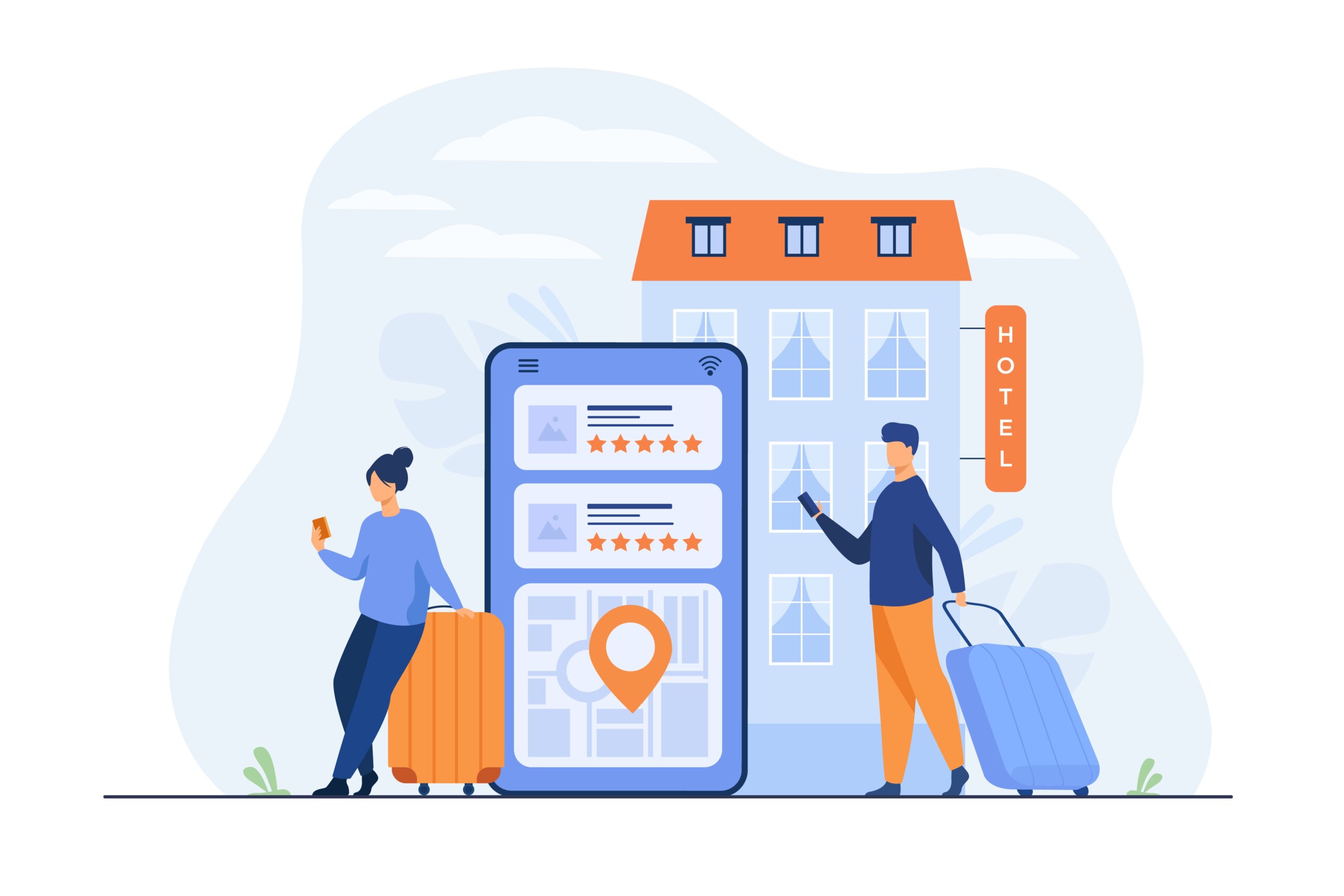
Booking a business hotel often comes with its own set of challenges that can impact the travel experience for professionals. From last-minute changes to varying levels of customer service, these challenges can create unnecessary stress for travelers who are trying to maintain productivity on the road. Understanding these challenges and their solutions is essential for ensuring a smooth and efficient booking process.
Common Challenges Faced by Travelers
Travelers encounter several common challenges when booking business hotels, which can hinder their overall experience. These challenges include unexpected cancellations, fluctuating rates, and the availability of essential amenities. Addressing these challenges not only helps in improving the overall travel experience but also enhances the efficiency of business operations.
- Last-Minute Cancellations: Changes in travel plans can lead to abrupt cancellations. This unpredictability can be frustrating for travelers who may face penalties or lose deposits.
- Rate Fluctuation: Business travelers often experience varying rates for the same hotel due to demand or seasonality, making budgeting difficult.
- Amenities and Services: Limited availability of necessary amenities such as meeting rooms, high-speed internet, or transportation services can lead to dissatisfaction.
- Booking Errors: Mistakes during the booking process, including incorrect dates or room types, can create complications that affect travel plans significantly.
Strategies to Overcome Booking-Related Issues
To mitigate the challenges associated with booking business hotels, several strategies can be implemented to streamline the process and enhance the travel experience. Employing these strategies can lead to more efficient travel management and reduced stress for business travelers.
- Flexible Booking Policies: Choose business hotels that offer flexible booking options, including free cancellations or changes, to accommodate last-minute adjustments.
- Utilize Corporate Travel Management Tools: Leverage technology tailored for corporate travel that allows easy management of bookings and real-time updates on availability and rates.
- Establish Preferred Hotel Partnerships: Collaborating with specific hotel chains can offer discounted rates and priority booking options, minimizing last-minute changes.
- Regular Training for Staff: Ensure that employees involved in travel arrangements are well-trained in booking procedures and customer service expectations to minimize errors.
Customer Service Expectations from Business Hotels
In the competitive landscape of business travel, customer service plays a crucial role in the overall satisfaction of travelers. Business hotels are often judged not only by the quality of their facilities but also by the level of service they provide to their guests.
- Responsiveness: Quick and effective communication from hotel staff is paramount during the booking process as well as throughout the stay.
- Personalization: Business travelers appreciate personalized services that cater to their specific needs, such as tailored amenities or meal options.
- Problem Resolution: Efficient resolution of issues, such as room changes or service complaints, is crucial for maintaining guest satisfaction.
- Accessibility: Availability of customer support through various channels, including phone, chat, and email, is essential for addressing concerns promptly.
Future Trends in Business Hotel Booking
As we look to the next decade, the landscape of business hotel bookings is poised for significant transformation. Various factors, including technological advancements and evolving work practices, are expected to redefine how business travelers select and book their accommodations. Sustainability and the rise of remote work are also becoming crucial elements influencing these trends.
Predictions for the Future of Business Hotel Bookings
The future of business hotel bookings will likely be characterized by increased personalization and automation. With the rise of artificial intelligence (AI), hotels are expected to leverage data analytics to offer tailored services that meet individual traveler preferences. For instance, using predictive algorithms, hotels can anticipate the needs of their guests, such as room preferences, amenities, or even dietary restrictions, enhancing the overall experience.Additionally, contactless booking and check-in processes are becoming the norm, driven by the demand for safety and convenience.
As travelers become more accustomed to digital solutions, hotels will need to invest in seamless online booking platforms that provide easy navigation and quick transaction capabilities.
Sustainability and Eco-Friendly Practices
Sustainability is no longer just a buzzword; it has become a vital factor in the decision-making process for many business travelers. More executives and employees are prioritizing eco-friendly accommodations as companies shift towards corporate social responsibility. As a result, hotels are adopting greener practices that appeal to this conscientious demographic.Here are key aspects of how sustainability is shaping booking choices:
- Energy Efficiency: Hotels are implementing energy-efficient systems, such as LED lighting and smart climate controls, which reduce their carbon footprint and operational costs.
- Waste Reduction: Many establishments are adopting waste management practices, including composting and reducing single-use plastics, which are attractive to eco-conscious travelers.
- Local Sourcing: Sourcing food and amenities locally not only supports the community but also decreases transportation emissions, resonating with travelers who value sustainability.
Impact of Remote Work Trends on Business Hotel Demand
The rise of remote work is reshaping the demand for business hotels. Companies are reconsidering their travel policies, often opting for flexible work arrangements that reduce the frequency of travel. However, this shift does not eliminate the need for business accommodations altogether. Instead, it creates new opportunities for hotels to adapt their offerings to cater to hybrid work models.For example, hotels are starting to provide work-friendly spaces that accommodate remote workers.
This includes:
- Dedicated Workspaces: Creating comfortable, distraction-free environments with high-speed internet and modern office amenities.
- Long-Term Stays: Offering competitive rates for extended stays that attract remote workers looking for a change of scenery.
- Networking Events: Organizing events and workshops that encourage collaboration among guests, making the hotel a hub for professionals.
As remote work persists, hotels that can provide flexible, innovative options will likely find themselves at a competitive advantage in the business travel market.
Essential FAQs
What should I look for in a business hotel?
Key factors include location, amenities like Wi-Fi and meeting rooms, and proximity to business centers.
How can I save money on business hotel bookings?
Consider booking in advance, using corporate discounts, or exploring loyalty programs offered by hotel chains.
Are there specific times when business hotel rates are lower?
Rates may be lower during weekends or off-peak seasons; booking during these times can lead to savings.
What amenities are most important for business travelers?
High-speed internet, business centers, meeting rooms, and convenient dining options are typically prioritized.
How do corporate travel policies affect hotel choices?
Policies may dictate preferred hotels, budget limits, and compliance requirements, guiding employees in their bookings.
